Categories
Community Vietnamese

God’s Grace: The Inspiring Journey of Di Tran and the Americana Community

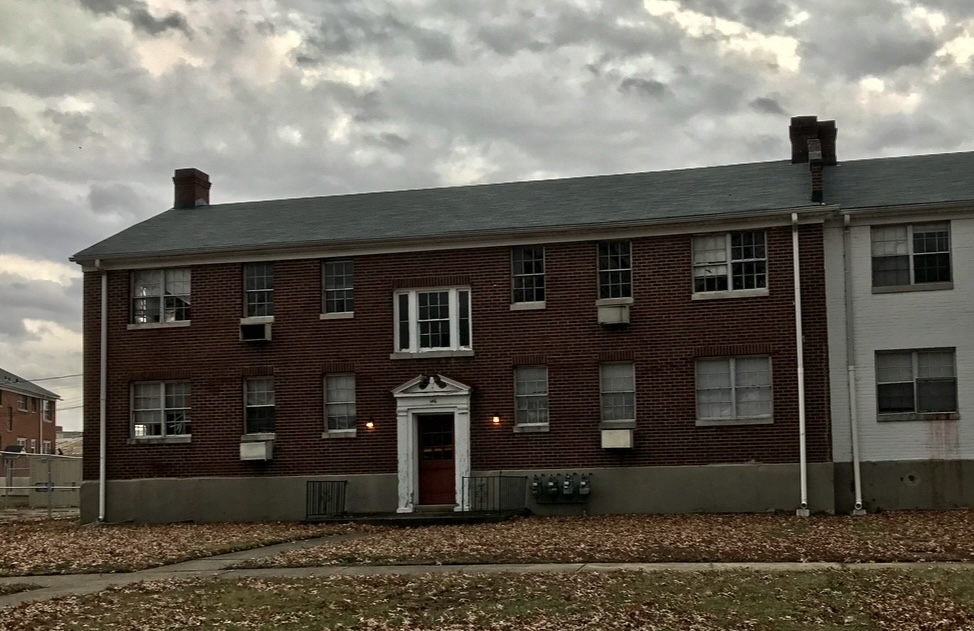
In 1995, Di Tran and his family embarked on a courageous journey from Vietnam to the United States, seeking a brighter future. They found their new home in Louisville, Kentucky, settling into the Americana Apartments—a complex renowned for welcoming immigrant and refugee families. This marked the beginning of a remarkable story of resilience, community support, and divine guidance.
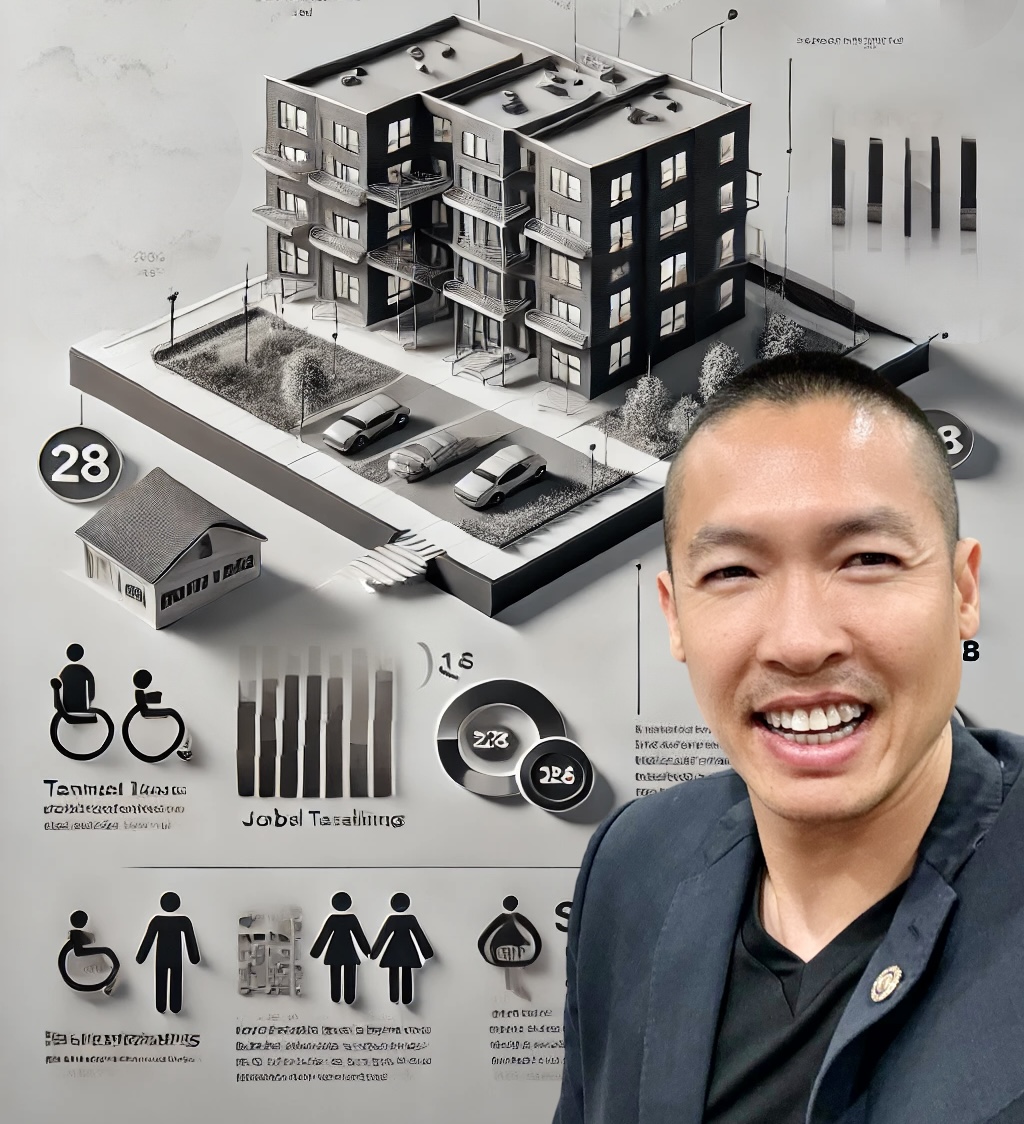
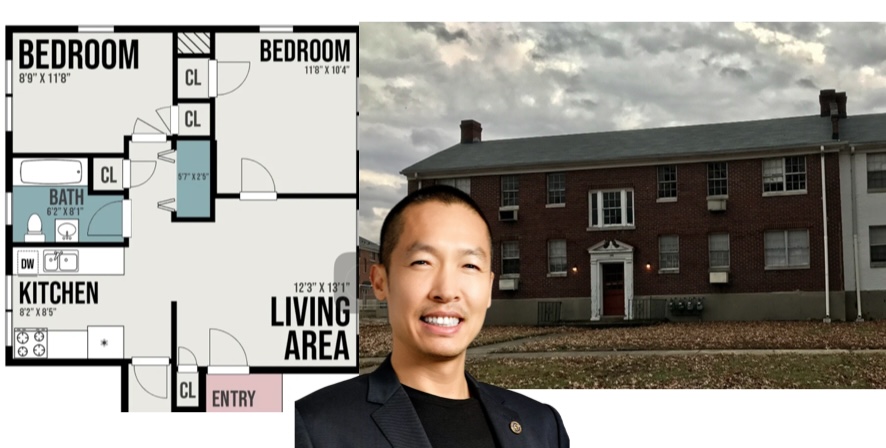
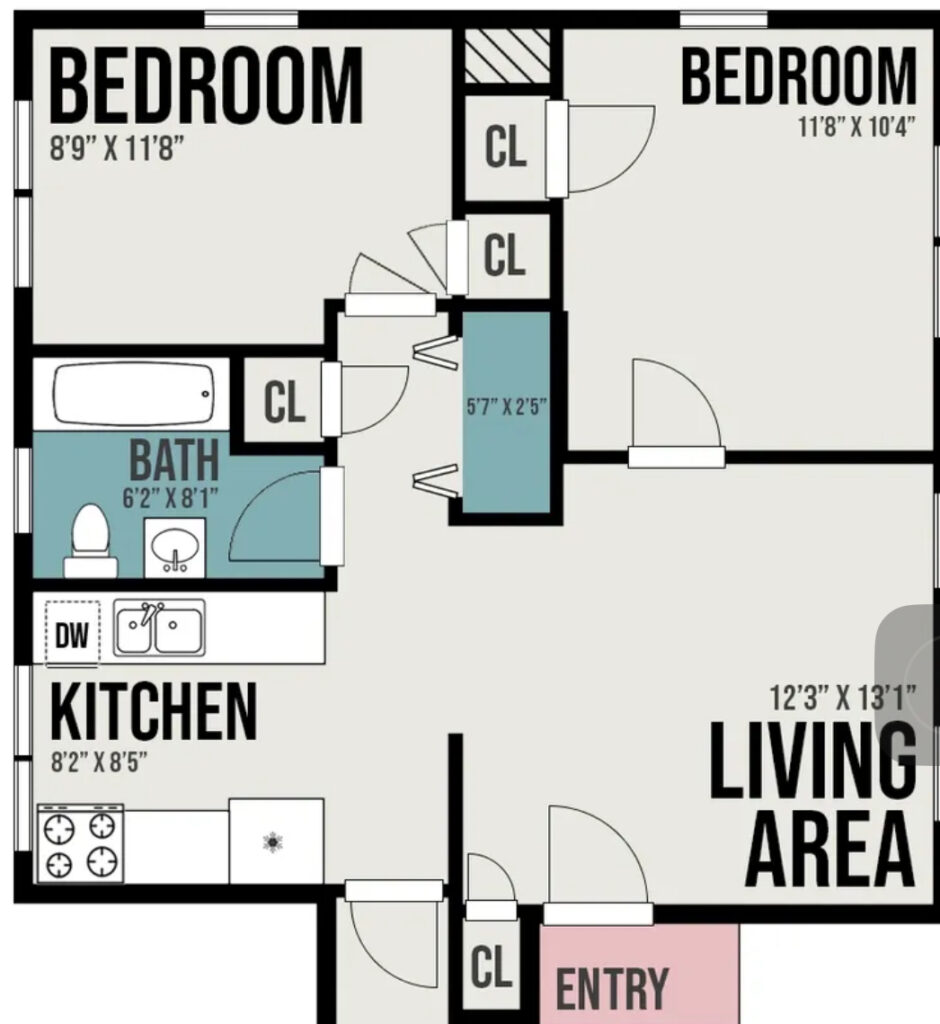
Exact Living Space Breakdown (514 sq ft):

• Bedroom 1: 102.1 sq ft

• Bedroom 2: 120.5 sq ft

• Bathroom: 49.9 sq ft

• Kitchen: 68.8 sq ft

• Living Area: 160.2 sq ft

• Hallway: 12.6 sq ft

• Total: 514 sq ft

A Humble Beginning at Americana Apartments

Arriving with just $400, the Tran family of seven adapted to their new life in a modest 500-square-foot apartment within the Americana complex. Despite the cramped living conditions and financial constraints, they embraced their circumstances with hope and determination. Di Tran’s parents worked tirelessly in factory jobs, often sleeping only five hours a night for five years, embodying the spirit of hard work and sacrifice. 

The Transformative Role of Americana Community Center

Established in 1990 within the Americana Apartments complex, the Americana Community Center has been a beacon of hope for refugee, immigrant, and underserved populations in Louisville. The center provides holistic services, including education, youth and family development, mental health support, crisis case management, a women’s fiber arts program, and community gardens, helping families not just survive but thrive. Each year, it serves more than 5,000 people from over 100 countries, facilitating smoother integration into American society. 

For Di Tran and his family, the center offered essential resources that facilitated their integration into American society. Through programs in education, family support, youth achievement, and career development, Americana bridged the gap from surviving to thriving. A significant milestone in Di Tran’s journey was his encounter with volunteer Dat Nguyen at the center. Under Nguyen’s guidance, Tran was introduced to computer basics, including the DOS operating system, typing skills, and programming languages such as C and Pascal. This mentorship ignited Tran’s passion for technology, laying the foundation for his future endeavors.

Educational Journey: From ESL Classes to Engineering

Di Tran’s educational path in Louisville began at Southern Middle School, where he enrolled in English as a Second Language (ESL) classes to overcome language barriers. He continued his studies at Noe Middle School and later at Seneca High School, demonstrating academic excellence and adaptability. His passion for learning led him to the University of Louisville’s Speed School of Engineering, where he earned both Bachelor’s and Master’s degrees in Computer Science and Engineering. He further pursued a PhD in IT Management at Sullivan University, achieving ABD (All But Dissertation) status.

Entrepreneurial Spirit and Community Leadership

Inspired by his parents’ entrepreneurial endeavors—they saved enough to establish USA Nails on Broadway—Di Tran ventured into business himself. In 2016, he founded the Louisville Beauty Academy, which has since empowered over 1,000 individuals to secure employment without government assistance. His commitment to community development extends to mentoring aspiring entrepreneurs and serving on various boards, including the Louisville Independent Business Alliance and the Vietnamese Community of Louisville.

A Testament to Faith and Community Support

Di Tran’s journey from a humble apartment in the Americana complex to becoming a community leader and successful entrepreneur is a testament to unwavering faith, resilience, and the pursuit of the American Dream. His story exemplifies how determination, coupled with community support and divine guidance, can transform challenges into opportunities, inspiring others to overcome obstacles and achieve their aspirations.

Indeed, God’s grace is evident in the life and accomplishments of Di Tran—a journey that began in Vietnam and flourished in the heart of Louisville’s Americana Community.
God’s Grace: The Inspiring Journey of Di Tran and the Americana Community

In 1995, Di Tran and his family embarked on a courageous journey from Vietnam to the United States, seeking a brighter future. They found their new home in Louisville, Kentucky, settling into the Americana Apartments—a complex renowned for welcoming immigrant and refugee families. This marked the beginning of a remarkable story of resilience, community support, and divine guidance.

A Humble Beginning at Americana Apartments

Arriving with just $400, the Tran family of seven adapted to their new life in a modest 500-square-foot apartment within the Americana complex. Despite the cramped living conditions and financial constraints, they embraced their circumstances with hope and determination. Di Tran’s parents worked tirelessly in factory jobs, often sleeping only five hours a night for five years, embodying the spirit of hard work and sacrifice. 

The Transformative Role of Americana Community Center

Established in 1990 within the Americana Apartments complex, the Americana Community Center has been a beacon of hope for refugee, immigrant, and underserved populations in Louisville. The center provides holistic services, including education, youth and family development, mental health support, crisis case management, a women’s fiber arts program, and community gardens, helping families not just survive but thrive. Each year, it serves more than 5,000 people from over 100 countries, facilitating smoother integration into American society. 

For Di Tran and his family, the center offered essential resources that facilitated their integration into American society. Through programs in education, family support, youth achievement, and career development, Americana bridged the gap from surviving to thriving. A significant milestone in Di Tran’s journey was his encounter with volunteer Dat Nguyen at the center. Under Nguyen’s guidance, Tran was introduced to computer basics, including the DOS operating system, typing skills, and programming languages such as C and Pascal. This mentorship ignited Tran’s passion for technology, laying the foundation for his future endeavors.

Educational Journey: From ESL Classes to Engineering

Di Tran’s educational path in Louisville began at Southern Middle School, where he enrolled in English as a Second Language (ESL) classes to overcome language barriers. He continued his studies at Noe Middle School and later at Seneca High School, demonstrating academic excellence and adaptability. His passion for learning led him to the University of Louisville’s Speed School of Engineering, where he earned both Bachelor’s and Master’s degrees in Computer Science and Engineering. He further pursued a PhD in IT Management at Sullivan University, achieving ABD (All But Dissertation) status.

Entrepreneurial Spirit and Community Leadership

Inspired by his parents’ entrepreneurial endeavors—they saved enough to establish USA Nails on Broadway—Di Tran ventured into business himself. In 2016, he founded the Louisville Beauty Academy, which has since empowered over 1,000 individuals to secure employment without government assistance. His commitment to community development extends to mentoring aspiring entrepreneurs and serving on various boards, including the Louisville Independent Business Alliance and the Vietnamese Community of Louisville.

A Testament to Faith and Community Support

Di Tran’s journey from a humble apartment in the Americana complex to becoming a community leader and successful entrepreneur is a testament to unwavering faith, resilience, and the pursuit of the American Dream. His story exemplifies how determination, coupled with community support and divine guidance, can transform challenges into opportunities, inspiring others to overcome obstacles and achieve their aspirations.

Indeed, God’s grace is evident in the life and accomplishments of Di Tran—a journey that began in Vietnam and flourished in the heart of Louisville’s Americana Community.
Categories
Community Drop the FEAR and Focus on the FAITH Leadership Development Self-Improve Vietnamese

Di Tran and Dr. Eli Capilouto: United in Service to Education and Workforce for Kentucky’s Brighter Future

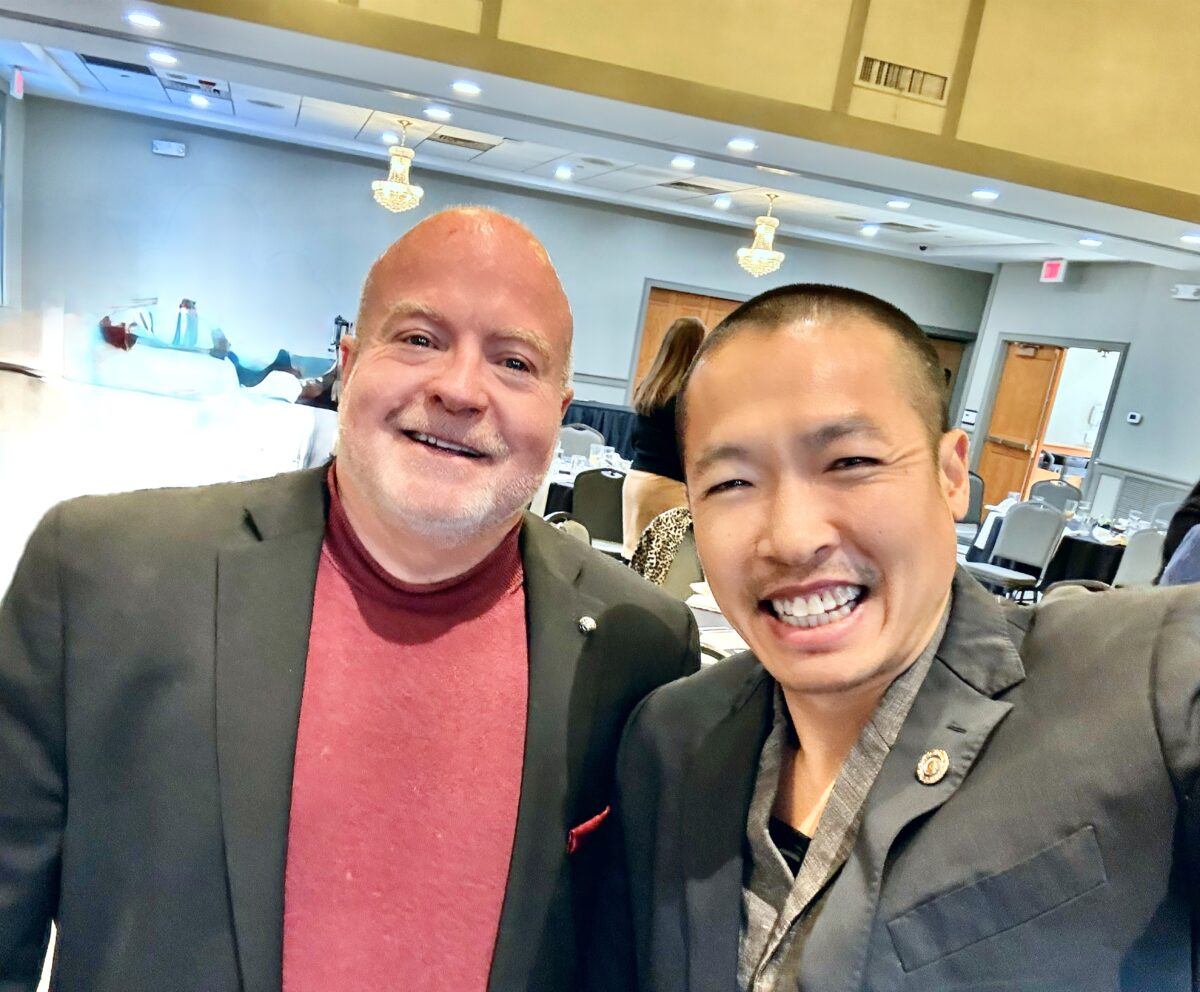
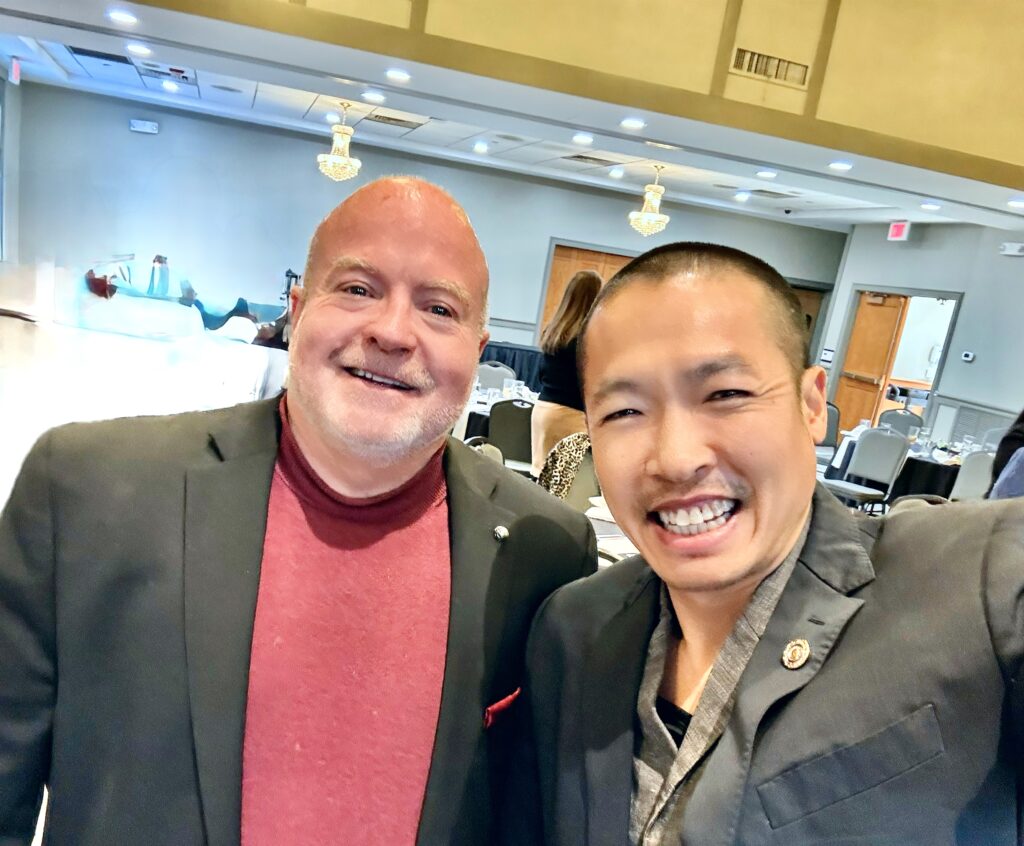
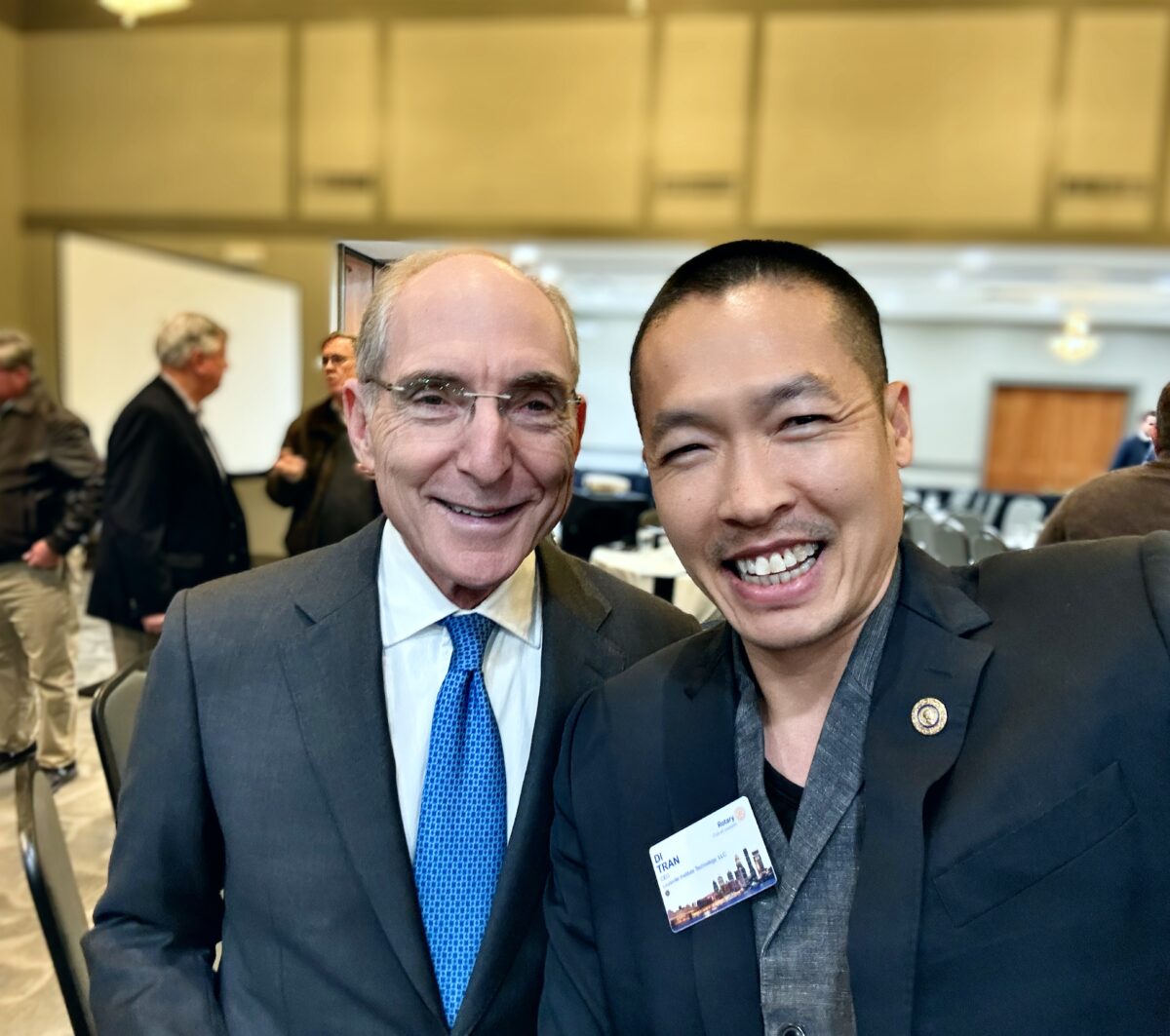
In the heart of Louisville, inside a room filled with the warmth of leaders who care deeply about Kentucky’s future, Di Tran found himself surrounded by the energy of purpose — and in the presence of a living example of that purpose: Dr. Eli Capilouto, President of the University of Kentucky.

This was no ordinary luncheon at the Rotary Club of Louisville. This was a meeting of minds, hearts, and missions — an intersection where higher education, workforce development, and immigrant dreams came together to illuminate the path forward for Kentucky.

As Dr. Capilouto shared his vision, his words resonated powerfully: “Strong colleges, strong education — they make a strong state.” For Di Tran, this was more than a statement; it was personal truth. It was his own life story. As an immigrant who arrived in the United States with no English, who worked his way from factory floors to earning both his Bachelor’s and Master’s in Computer Engineering and Computer Science from the University of Louisville, Di Tran knows firsthand the transformative power of education.

And now, as the founder of Louisville Beauty Academy, Louisville Institute of Technology, and Di Tran University, Di Tran stands at the forefront of adult education and workforce development — serving new immigrants, working adults, underserved communities, and the future workforce of Kentucky. His vision is to remove every barrier to education and empower individuals to transform their own lives through skills, certifications, and real economic opportunity.

Gratitude filled the air as Di Tran sat in the very halls where his own educational journey began, listening to the President of the University of Kentucky, whose leadership is steering a $7 billion infrastructure transformation across UK — a reinvestment into Kentucky’s educational foundation, ensuring that future generations have the tools to thrive in a rapidly evolving world.

Di Tran didn’t just hear Dr. Capilouto’s words — he absorbed them, the way a lifelong learner absorbs every lesson life offers. This is what Di Tran does — he takes every experience, every interaction, and turns it into fuel for his mission. Whether it’s his beauty schools, his IT training programs, or his nonprofit initiatives through the New American Business Association, Di Tran’s work bridges education and workforce — transforming learning into livelihood.

In that moment, Di Tran and Dr. Capilouto were not just two leaders at a luncheon — they became a symbol of what’s possible when visionaries from different walks of life unite in service to education. From top-tier university leadership to grassroots adult education programs, from immigrant entrepreneurs to academic pioneers — together, they form the complete ecosystem Kentucky needs to thrive.

Di Tran left the Rotary Club not just inspired — but charged with a renewed sense of duty. To honor those who educated him. To uplift those who, like him, dream of a better future through learning. And to build an education and workforce pipeline that spans every age, every community, and every person willing to learn, work, and rise.

Because in Kentucky, education is not just about degrees. It’s about dignity, opportunity, and creating a future where everyone belongs. And with leaders like Dr. Capilouto shaping institutions and leaders like Di Tran shaping communities — Kentucky’s future is unstoppable.

Di Tran’s Story — In Case You Didn’t Know:

• Vietnamese immigrant arriving in the U.S. at 12 with no English.

• Graduated from University of Louisville with BS and MS in Computer Engineering & Computer Science.

• Founder of Di Tran Enterprise, Louisville Beauty Academy, Louisville Institute of Technology, Di Tran University, and more.

• Award-winning entrepreneur: 2024 Most Admired CEO, Mosaic Award Recipient.

• Published author and relentless advocate for adult education, immigrant success, and workforce development.

• Featured in Louisville Business First, WDRB, and WLKY for his innovative work.

• Leading workforce development programs tied directly to affordable housing, beauty licensing, IT training, and AI education.

• Deep believer in faith, service, and gratitude as the foundation of every success.

This is not just Di Tran’s story — it’s Kentucky’s story. And it’s just getting started.

Categories
Books Community

A Letter to My Sons: The Story of Your Father – Di Tran

To My Sons – Jayden, Skylar, and Dylan

📍 Written by Your Father, Di Tran
📅 Written on: March 6, 2025
💌 To Be Read: Whenever You Are Ready – Now, Later, or Someday Far Away

My dear sons,

When you were little, you would climb on my back, hold my hand, and follow me everywhere. You called me “Daddy,” but one day, I want you to know me as Di Tran — your father, the man who came from nothing and built everything for you, for your future, and for the world you will one day lead.

I was born in a small village in Vietnam, where our family lived in a mud hut. We had no running water, no electricity, and no luxuries. We survived because your grandparents worked every day — flipping homes, fixing things, selling what they could. They had a dream — to bring us to America, a place they called “heaven on earth.”

In 1995, we arrived in Louisville, Kentucky. I was 12 years old. I didn’t speak a word of English. I was the shyest, slowest learner in school. For 6 years, I barely spoke because I was afraid to get it wrong. But what I didn’t know back then was this: getting it wrong is the first step to getting it right.

I worked in factories after school — just like your grandma and grandpa. We worked hard because in this family, work is love. But I always knew there was something more.

I went to college — not because I was smart, but because I was willing to try, fail, and try again. I graduated with C and C- grades, but that piece of paper wasn’t my real education. My real education came from the people I met, the work I did, and the failures I survived.

I became a computer engineer, working for a company with 7,000+ engineers. And in just a few years, I was one of the top 3 engineers in the entire company. Not because I was smarter — but because I was willing to outwork everyone and ask better questions.

But I didn’t stop there. Because success means nothing if you don’t turn around and help the next person up. That’s why I started Louisville Beauty Academy, to help immigrants, just like me, build a life through learning a skill and earning a license.

I built 15+ businesses — not for wealth, but for workforce development. Every business is a training ground for someone’s future. Every building I bought was not for luxury — but to turn into a school, a salon, or affordable housing for families who need a start.

Today, our businesses create over $20 million a year in economic impact, but I never count money as success. My real success is when a student smiles because they got their first license, or when a mom can finally buy her first home because of the skills we gave her.

My sons — my greatest dream is not for you to be rich or famous. My dream is for you to understand this:

A man’s true worth is not in what he owns, but in how much value he adds to others.

You are my sons — but you are also leaders, creators, and servants of the world. Everything I build today — from beauty schools to AI companies to real estate — is not just for me. It’s to show you that anything is possible if you serve with love and work with all your heart.

There will be days you want to quit. Days you doubt yourself. Remember this:

  • Your father came from a mud hut with no English.
  • Your father was the slowest student.
  • Your father failed more than he succeeded.
  • But your father never stopped moving forward.

If I can do this — you can do even more.

You are my legacy, and I pray that one day, your sons and daughters will know this story too — not to glorify me, but to understand:

Every person, no matter how small their beginning, has the power to build something beautiful — if they choose to work hard, stay humble, and serve others.

I love you, my sons. This life — this story — belongs to all of us.

Forever proud,
Dad (Di Tran)

Categories
Community Corporation

Di Tran Joins Dawne Gee at Rotary Club of Louisville to Confront Childhood Hunger, Homelessness, and Juvenile Crime

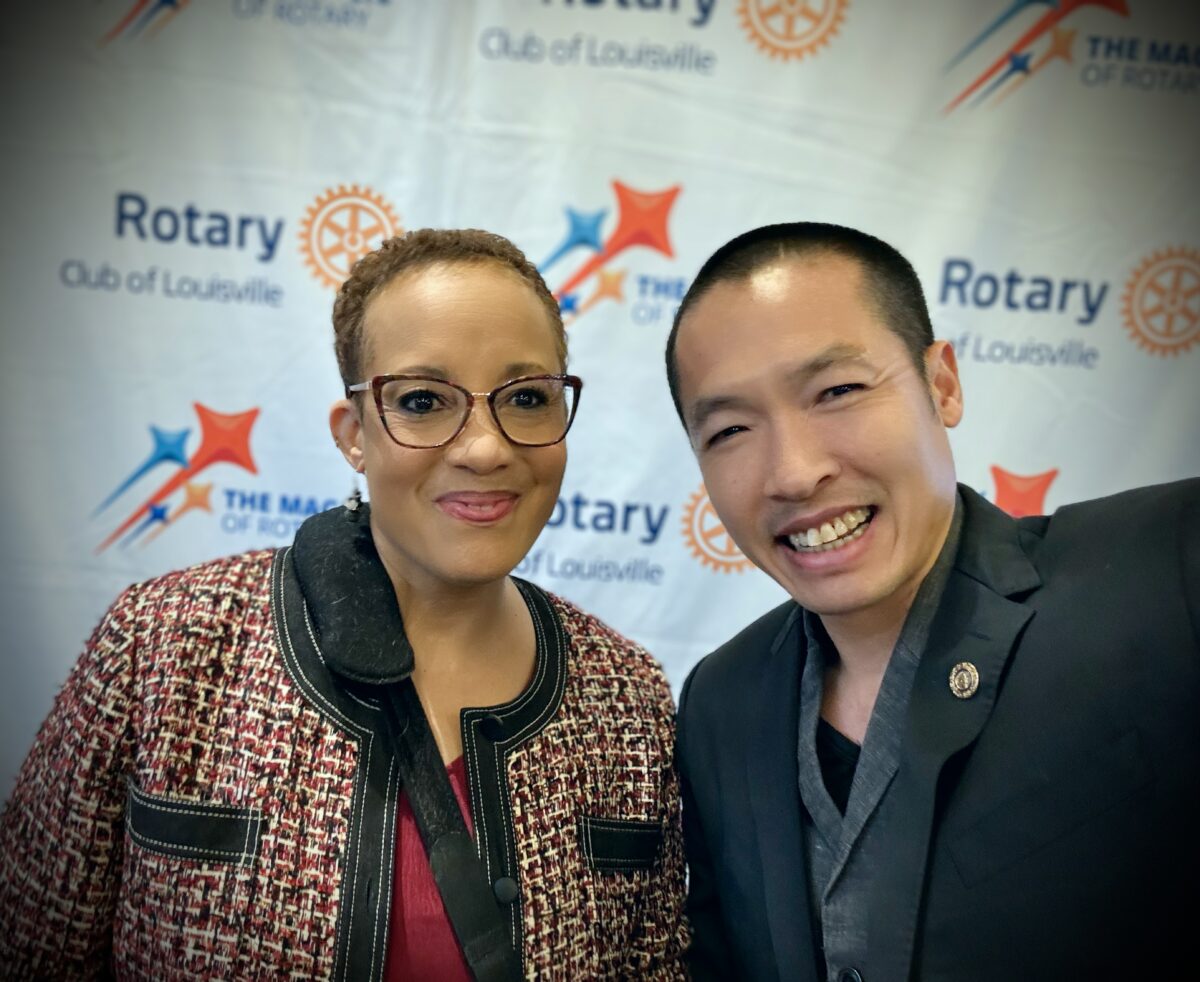
Louisville, KY – February 27, 2025 – In a moving and powerful gathering at the Rotary Club of Louisville’s weekly lunch meeting, Dawne Gee, the beloved WAVE-3 anchor and community leader, shared heartbreaking stories about childhood hunger, homelessness, and juvenile crime in Louisville. The event, attended by local business leaders, community advocates, and entrepreneurs like Di Tran, was a sobering reminder of the struggles faced by children in the city—many of whom go to school not just for education, but simply to eat.

Hosted by the Rotary Club of Louisville

Held at The Galt House Hotel, the Rotary Club of Louisville’s weekly luncheon serves as a platform for thought leaders and changemakers to address pressing community issues. Today’s meeting was one of the most impactful yet, as Dawne Gee brought both tears and inspiration to the room with her heartfelt speech about the crisis of childhood hunger.

The Rotary Club of Louisville, one of the oldest and largest Rotary clubs in the country, has long been committed to service above self. The organization’s dedication to fighting food insecurity, supporting youth, and fostering community solutions made it the perfect setting for Gee’s message. A special thank you to the Rotary Club for hosting this powerful discussion and providing a space for leaders to come together to listen, learn, and take action.

Hunger in Louisville: The Story That Brought the Room to Tears

Dawne Gee spoke of children who struggle to find their way to school, not just for an education, but because it is the only place they can get a meal. She shared a gut-wrenching story of a child who, in desperation, resorted to eating paper to curb the pain of hunger.

The room fell silent. Many in the audience, including Di Tran, were visibly moved as Gee painted a vivid picture of how poverty, hunger, and family separation create unimaginable hardships for young children in Louisville.

She emphasized that the problem is not just about food—but about broken systems, struggling families, and a society that has not done enough to protect its most vulnerable.

A Connection to Homelessness and Crime

For Di Tran, an entrepreneur, real estate investor, and community leader, Gee’s message struck a personal chord. For years, he has encountered homelessness firsthand—inside and outside the buildings he owns.

One story stood out in his mind—a morning when he walked into one of his properties, only to see a homeless person flee, leaving behind a dirty diaper. That moment shattered his perception of homelessness as an issue only affecting adults. It was children too. Babies. Entire families with nowhere to go.

And yet, Gee highlighted another tragedy—the rise in juvenile crime. Many children under the age of 13 are being manipulated into criminal activity, used by gangs and criminals who know they won’t be prosecuted.

“Children don’t choose hunger. They don’t choose homelessness. And they don’t choose crime. They are victims of a system that has failed them,” Gee said, her voice trembling with emotion.

Her raw honesty left many in the audience reflecting on how to be part of the solution.

A Simple Solution: Peanut Butter & Actionable Change

One of the most surprising takeaways from the speech was the power of peanut butter.

Gee explained that peanut butter is one of the most effective foods to fight hunger because:

✅ It is high in protein and nutrients.

✅ It does not require refrigeration, making it easy to distribute.

✅ It is filling and provides lasting energy for children in need.

Such a simple item—yet it can change a child’s life. This practical approach to food insecurity is a reminder that even the smallest contributions can make a huge impact.

A Standing Ovation for a Powerful Message

By the time Gee finished speaking, there wasn’t a dry eye in the room. As she wiped away her own tears, the audience rose to their feet in a standing ovation—Di Tran included.

The Rotary Club of Louisville, with its commitment to service and action, proved once again why it remains a pillar of leadership in the city. By hosting today’s event, they provided a platform for real conversations about hunger, homelessness, and crime in our community.

A heartfelt thank you to the Rotary Club of Louisville for bringing these issues to the forefront, for always standing in service of others, and for providing a space where solutions can be found.

For many in attendance, this was more than just a luncheon. It was a wake-up call. It was a challenge. It was a moment of truth.

As Dawne Gee and Di Tran both left the event, one thing was clear—this conversation cannot end here. It must turn into action. Because in a city filled with opportunity, no child should ever go to bed hungry.

And with leaders like Dawne Gee, Di Tran, and the Rotary Club of Louisville pushing for change, that future is within reach.

Categories
Community Vietnamese

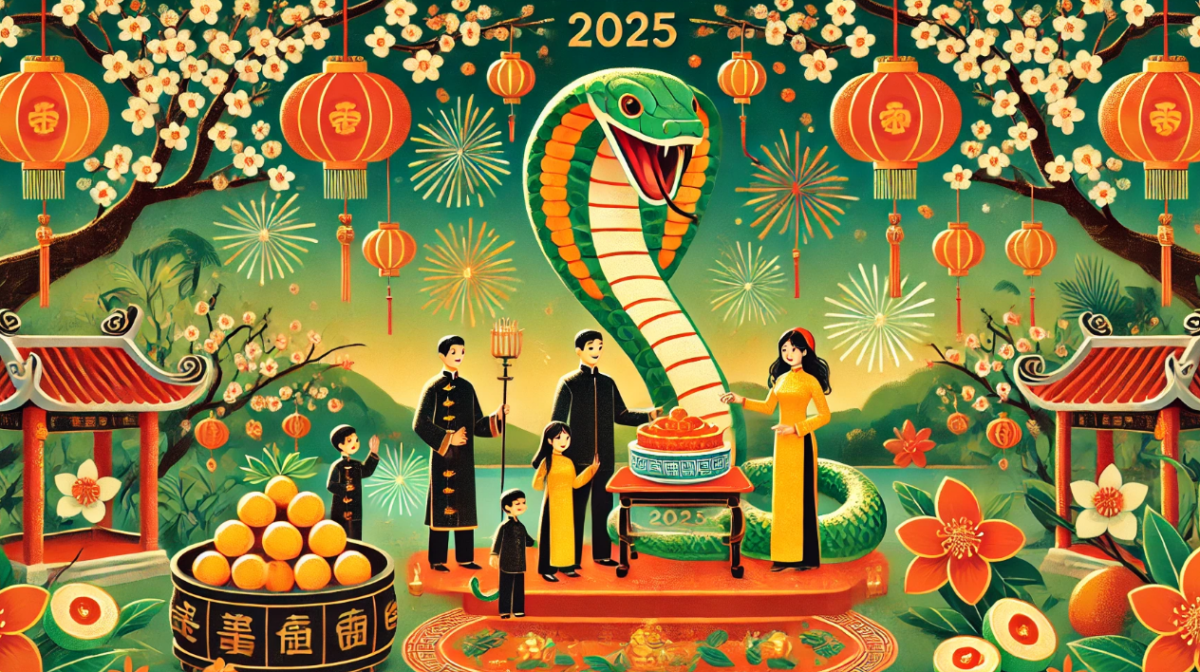
Tết 2025: The Year of the Wood Snake in Vietnamese Culture

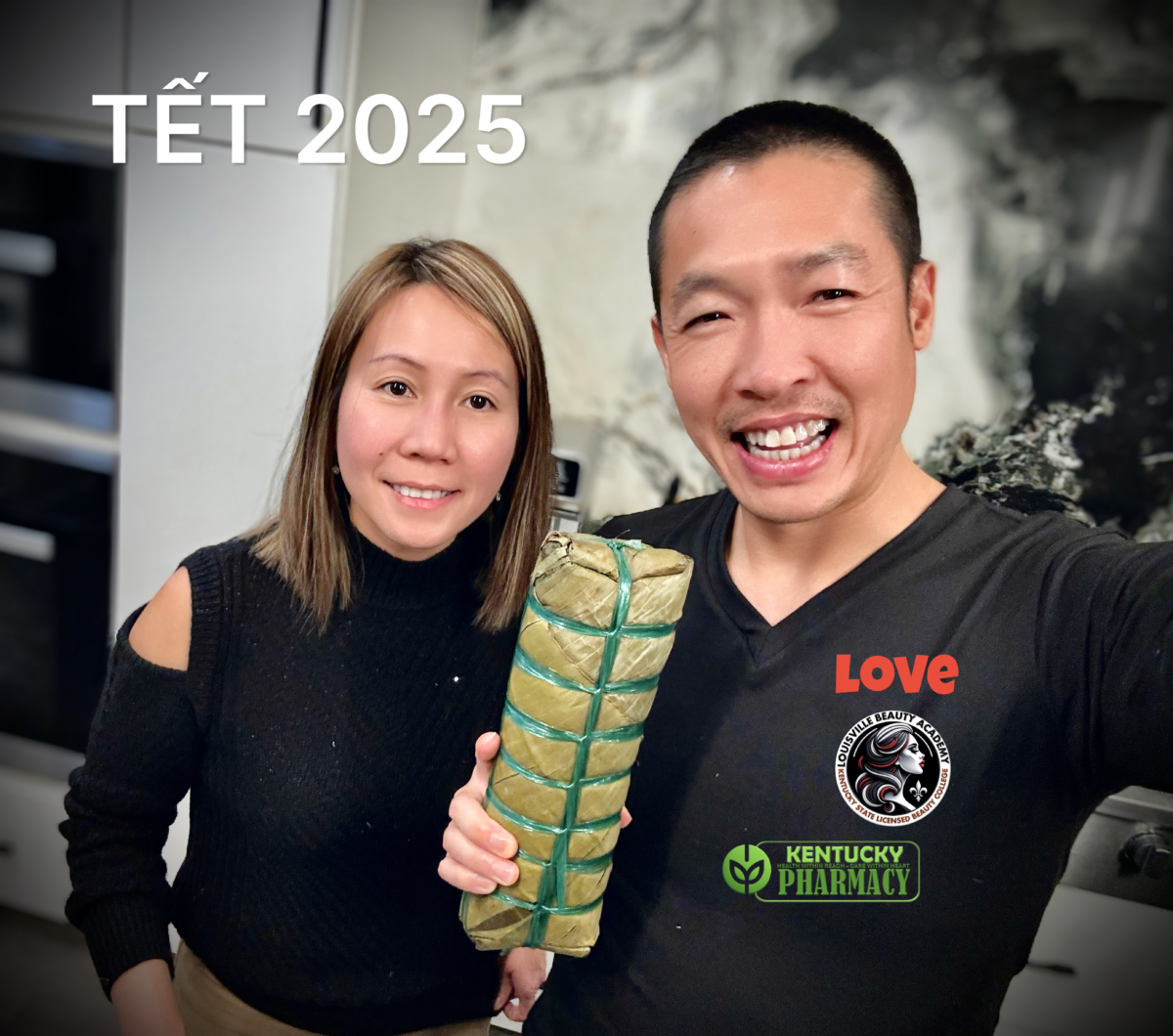
Tết Nguyên Đán, commonly known as Tết, is the Vietnamese Lunar New Year and the most important and widely celebrated holiday in Vietnam. In 2025, Tết begins on Wednesday, February 29, marking the transition to the Year of the Wood Snake (Quý Tỵ in Vietnamese). This year holds special significance for the Vietnamese people, blending traditional values with hopes for renewal and growth.


The Year of the Wood Snake (Quý Tỵ)

In Vietnamese culture, the Snake (Tỵ) symbolizes wisdom, mystery, and transformation. Combined with the Wood element (Mộc), 2025 will be a year that emphasizes growth, harmony, and strategic planning. Here’s what it means in the context of Tết:

  1. Snake Symbolism:
    • The Snake is associated with intelligence, elegance, and intuition. It is considered a thoughtful animal, representing strategic thinkers and calm, measured approaches to life.
    • Those born under the Snake sign are believed to possess sharp analytical skills, a love for knowledge, and a talent for keeping secrets.
  2. The Wood Element:
    • Wood in the Five Elements (Ngũ Hành) system represents growth, creativity, and vitality. It is also tied to flexibility and kindness, encouraging people to approach challenges with patience and adaptability.
    • A Wood Snake year is thought to bring opportunities for personal development and thoughtful action—a time for planting seeds for future success.

Key Themes for Tết 2025

1. Renewal and Growth:

Tết always represents a fresh start, and the Wood Snake year amplifies this energy. Families focus on letting go of the old and embracing the new, symbolized by:

  • Cleaning and decorating homes with fresh flowers (e.g., peach blossoms and kumquat trees).
  • Clearing debts and resolving conflicts before the new year begins.

2. Wisdom and Introspection:

The Snake’s energy encourages reflection and careful planning. Many Vietnamese people will see 2025 as a time to:

  • Evaluate their goals and strategize for long-term success.
  • Prioritize education, learning, and self-improvement.

3. Family and Community:

  • Tết is a time for reunion, with families coming together to honor ancestors, celebrate unity, and pass down traditions.
  • The Snake’s qualities of loyalty and connection remind families to nurture relationships and work together toward shared prosperity.

Traditional Tết Celebrations in 2025

1. Preparations:

  • Homes are cleaned and decorated to invite luck and banish bad spirits.
  • Families buy Tết-specific plants, such as hoa mai (yellow apricot blossoms) in the south or hoa đào (peach blossoms) in the north.
  • Kumquat trees are also popular, symbolizing wealth and happiness.

2. Offerings and Rituals:

  • Ancestral altars are cleaned and adorned with fresh offerings, such as fruit, incense, and flowers, to honor loved ones who have passed.
  • People often visit family gravesites to clean them and pay respects.

3. Festive Foods:

Tết cuisine reflects abundance and good fortune. Iconic dishes include:

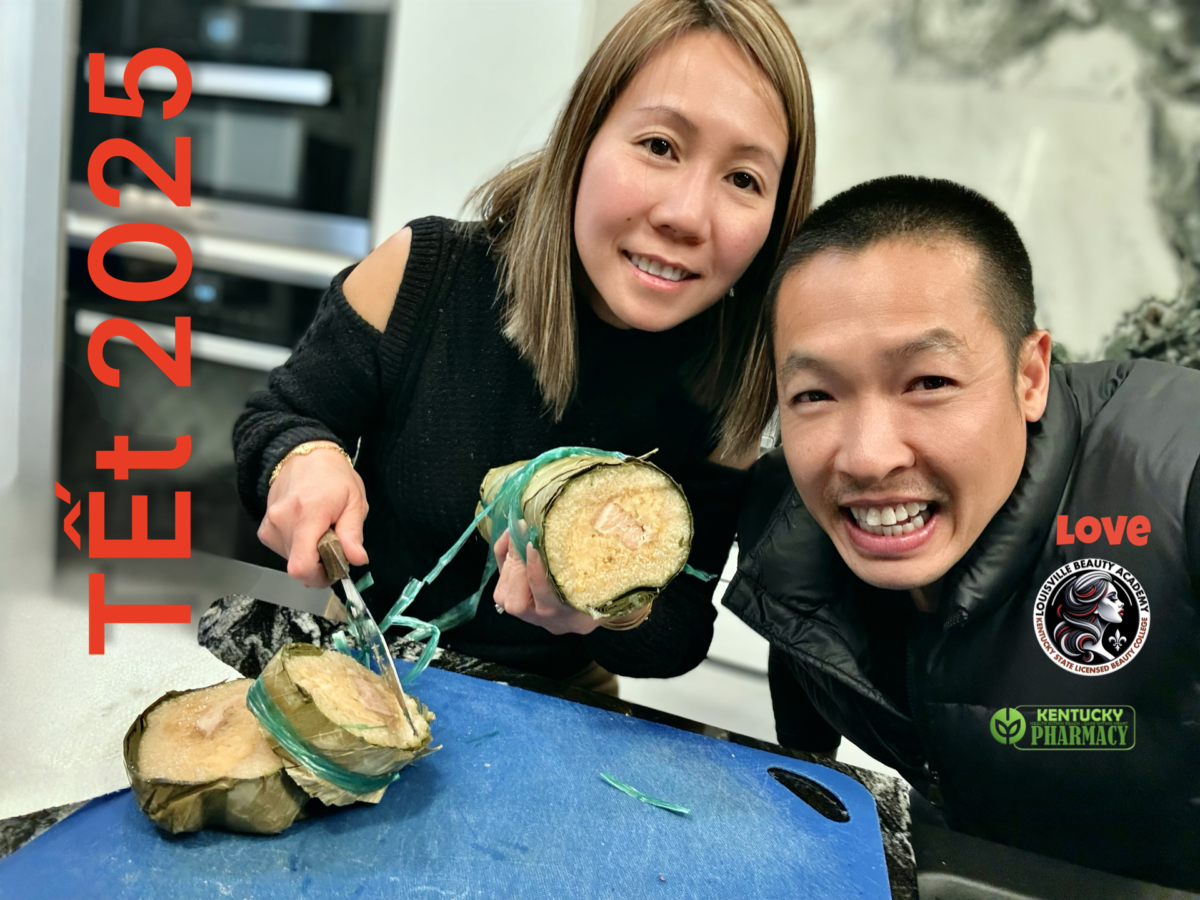
  • Bánh chưng (square sticky rice cake) or bánh tét (cylindrical sticky rice cake) filled with pork and mung beans, symbolizing the earth and gratitude.
  • Thịt kho trứng (braised pork with eggs) for harmony and family unity.
  • Dưa hành (pickled vegetables) to cleanse the palate and signify new beginnings.

4. Customs for Luck:

  • Xông đất (First Footing): The first person to enter a home on Tết morning is believed to bring good or bad luck for the year. Families carefully select someone with a positive and compatible zodiac sign to visit first.
  • Lì xì (Red Envelopes): Adults give red envelopes filled with money to children and the elderly as a symbol of good fortune and prosperity.
  • Avoid arguments, sweeping, or breaking things during the first days of Tết to prevent bad luck.

Unique Vietnamese Beliefs for 2025

In the Year of the Wood Snake, the Vietnamese will emphasize:

  1. Balance Between Tradition and Growth:
    • Honor ancestral traditions while pursuing personal and community progress.
  2. Education and Knowledge:
    • With the Snake’s association with intelligence, 2025 will be seen as an ideal year for academic and professional growth.
  3. Environmental Consciousness:
    • Wood’s connection to nature may inspire a focus on sustainability and care for the environment.

What the Year of the Snake Brings to Different Signs

Each Vietnamese zodiac sign interacts with the Snake differently, bringing specific fortunes for the year. For instance:

  • Ox and Rooster: Favorable for career growth and prosperity.
  • Pig and Tiger: May face challenges but can overcome them with patience.
  • Monkey and Horse: Opportunities for success but require thoughtful planning.

Modern Tết in 2025

Vietnam continues to blend traditional Tết customs with modern celebrations:

  • Fireworks displays and public festivals light up major cities like Hanoi, Ho Chi Minh City, and Da Nang.
  • The younger generation combines old traditions, like ancestral worship, with global trends, such as travel or digital well-wishing via social media.

Final Thoughts: Embracing the Wood Snake Year

Tết 2025 is a time for renewal, family, and thoughtful growth. The Wood Snake’s energy encourages patience, wisdom, and adaptability, making it an ideal year to:

  • Embrace self-improvement and learning.
  • Strengthen family bonds.
  • Plant the seeds for long-term success.

Whether through traditional rituals or modern expressions of hope and joy, Tết 2025 promises a year of transformation and new opportunities for those who celebrate it. Chúc Mừng Năm Mới! (Happy New Year!) 🌸🐍

Categories
Community Corporation Leadership Development Small Businesses

Dr. Ty Handy and Di Tran: Elevating Underserved Communities Through Education and Opportunity

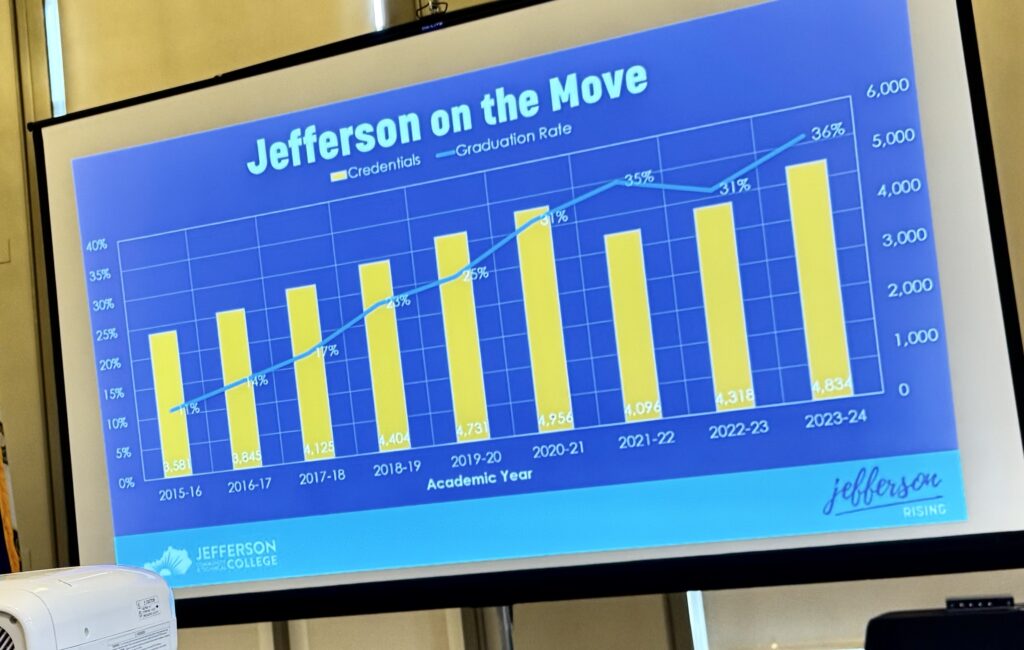
Jefferson Community and Technical College (JCTC) continues to shine as a beacon of opportunity and empowerment in Louisville, particularly for underserved populations, including immigrants, refugees, and other underrepresented groups. Under the leadership of Dr. Ty Handy, JCTC has positioned itself as a transformative force in education, workforce development, and community revitalization.

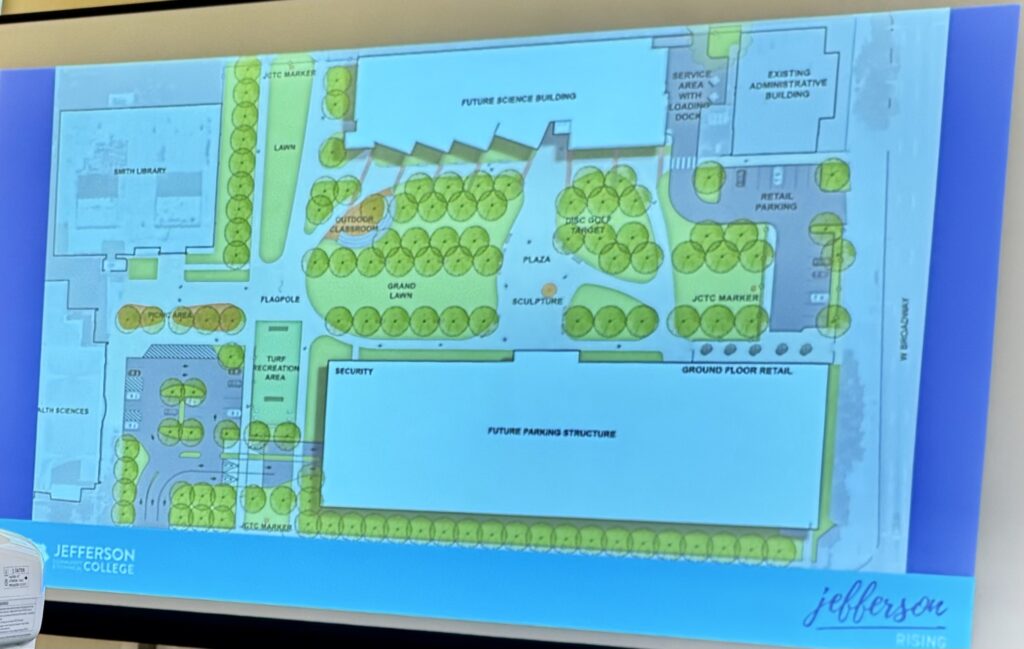
Recently, Dr. Handy announced the Jefferson Rising initiative, a $90+ million downtown campus project designed to modernize the college’s facilities and enhance its ability to serve diverse populations. This project is more than a physical upgrade—it reflects a deep commitment to supporting students from all walks of life, including single parents, first-generation college students, adult learners, and individuals reentering education after years in the workforce.

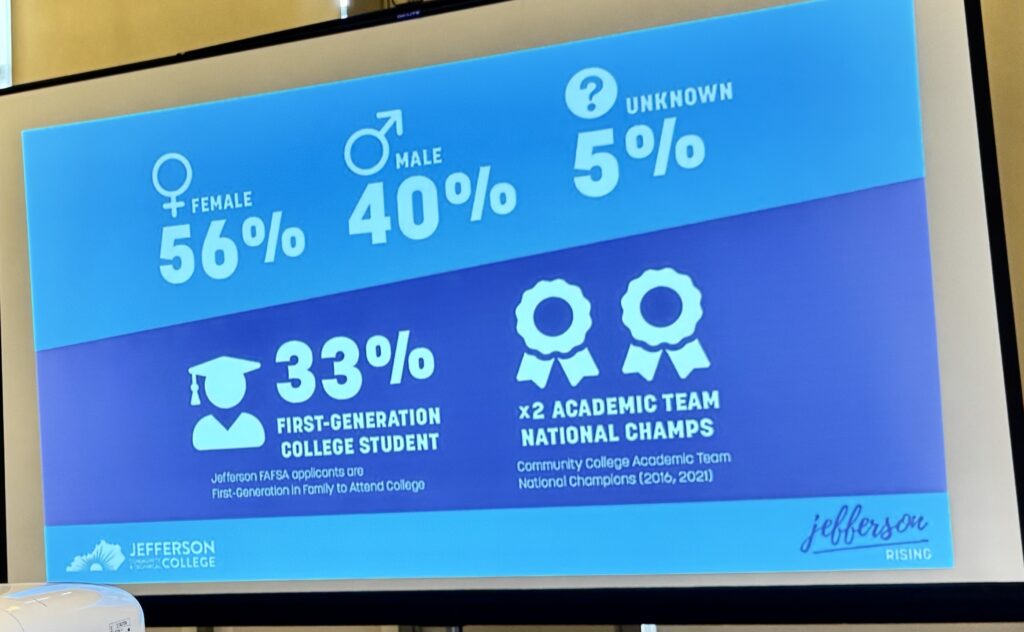
Dr. Handy highlighted a unique aspect of JCTC’s student population: many are immigrants and refugees who speak over 80 different languages. These students often spend the entire day on campus, dropped off by their families in the morning and picked up at night. The new campus is thoughtfully designed to accommodate their needs, providing accessible resources and a welcoming environment that fosters success.

Di Tran, the President of Louisville Beauty Academy and Founder of Di Tran University, has long been a supporter of JCTC’s mission. As an immigrant himself, Tran has experienced firsthand the challenges and opportunities that come with building a life in a new country. He credits institutions like JCTC for helping individuals like him and his family find pathways to education and economic stability.

Tran has expressed deep appreciation for JCTC’s role in uplifting Louisville’s underserved populations. “JCTC is more than a college—it is a lifeline for so many in our community,” Tran has said. He points to the remarkable academic achievements of immigrant and refugee students, who often outperform their native-born peers, as evidence of their resilience and determination.

The Jefferson Rising project represents a bold vision for the future. It will include state-of-the-art science labs, outdoor recreation spaces, and community-oriented amenities like retail areas. Beyond its educational mission, the project aims to beautify downtown Louisville and contribute to its revitalization, making it a hub of innovation and inclusivity.

Both Dr. Handy and Tran share a commitment to empowering underserved communities through education. JCTC’s efforts complement Tran’s work at Louisville Beauty Academy, where he provides opportunities for immigrants and other underrepresented groups to gain skills and build meaningful careers.

The collaboration between leaders like Handy and Tran underscores the importance of investing in education as a tool for social and economic progress. Through programs that serve immigrants, refugees, single parents, and adult learners, JCTC is creating a legacy of inclusion that will benefit Louisville for generations to come.

As Louisville continues to grow, institutions like JCTC and leaders like Dr. Ty Handy and Di Tran exemplify how education can transform lives and communities. Their shared vision ensures that no one is left behind and that Louisville remains a city of opportunity for all.

Categories
Community Corporation Immigration Vietnamese

Giá Trị Thật Sự Của Bánh Chưng: Lao Động, Tình Yêu, và Truyền Thống

Trong văn hóa Việt Nam, bánh chưng không chỉ là một món ăn đơn thuần. Đây là biểu tượng của tình yêu, truyền thống, và cộng đồng—một phần không thể thiếu của di sản văn hóa Việt Nam được truyền từ thế hệ này sang thế hệ khác. Quy trình làm bánh chưng đòi hỏi sự tỉ mỉ, công sức, và thời gian, nhưng thường được bán với giá chỉ 20-25 USD, một mức giá không thể hiện được giá trị thực sự của chiếc bánh, vốn lên đến 50-60 USD. Bài viết này sẽ khám phá ý nghĩa sâu sắc của bánh chưng, những công sức đằng sau nó, và lý do giá trị thực của nó vượt xa giá bán.

Quy Trình Làm Bánh Chưng: Sự Kết Tinh Của Truyền Thống

Làm bánh chưng không chỉ đơn thuần là một công việc nấu nướng. Nó đòi hỏi sự chuẩn bị kỹ lưỡng, tinh thần làm việc nhóm, và sự tôn trọng truyền thống. Mỗi bước trong quy trình làm bánh là một sự lao động đầy tình yêu thương, thường được thực hiện bởi cả gia đình hoặc cộng đồng trong hơn 24 giờ.

1. Chuẩn Bị Nguyên Liệu

Các nguyên liệu chất lượng cao là yếu tố cốt lõi của bánh chưng:

• Gạo nếp được vo sạch, ngâm nước đến khi đạt độ dẻo vừa đủ.

• Đậu xanh được làm sạch và nêm nếm để tạo lớp nhân béo ngậy.

• Thịt ba chỉ được chọn kỹ càng, ướp gia vị như muối, tiêu để tăng hương vị.

• Lá dong hoặc lá chuối, dùng để gói bánh, phải được rửa sạch, ngâm mềm, và cắt gọn.

Quy trình này mất nhiều giờ và đòi hỏi sự tỉ mỉ để đảm bảo nguyên liệu đạt tiêu chuẩn tốt nhất.

2. Gói Bánh

Gói bánh chưng là một nghệ thuật đòi hỏi kỹ năng và sự kiên nhẫn. Mỗi lớp nguyên liệu—gạo, đậu xanh, thịt—được sắp xếp cẩn thận trong lá. Sau đó, bánh được gói chặt và buộc dây lạt chắc chắn để giữ nguyên hình dáng trong quá trình luộc.

3. Luộc Bánh

Những chiếc bánh đã được gói được xếp vào nồi lớn và luộc trong khoảng 10-12 giờ ở nhiệt độ vừa. Thời gian nấu dài này giúp gạo nếp chín mềm và hấp thụ hương vị của nhân thịt, đậu xanh.

Trong các gia đình truyền thống, bánh thường được luộc trên bếp củi, đòi hỏi người trông bếp phải canh chừng lửa và nước để giữ nhiệt độ ổn định.

4. Chăm Sóc Sau Khi Nấu

Khi bánh đã chín, chúng được lấy ra khỏi nồi và làm nguội. Quy trình không dừng lại ở đây:

• Ép bánh: Một số gia đình dùng vật nặng để ép bánh, loại bỏ nước thừa và giúp bánh chặt hơn.

• Lau khô và làm sạch: Bánh được lau sạch và để ráo để tránh ẩm mốc.

• Đóng gói: Bánh được bọc nhựa hoặc giấy bạc và dán nhãn để bảo quản hoặc làm quà tặng.

Bước cuối cùng này thêm nhiều giờ vào tổng thời gian sản xuất, đưa thời gian làm bánh chưng vượt quá 24 giờ.

Giá Trị Thật Sự Của Bánh Chưng

Công sức và nguyên liệu cần thiết để làm bánh chưng vượt xa giá bán thông thường.

Chi Phí Nguyên Liệu

• Chi phí gạo nếp, đậu xanh, thịt, gia vị, và lá có thể lên đến 15-20 USD cho một chiếc bánh.

Chi Phí Lao Động

• Quy trình làm bánh cần sự tham gia của 10-20 người, mỗi người đóng góp thời gian và kỹ năng. Nếu tính tiền công lao động, giá bánh sẽ cao hơn rất nhiều.

Giá Thị Trường và Giá Trị Thực

• Mặc dù giá trị thực của bánh chưng là 50-60 USD, nhưng bánh thường được bán với giá chỉ 20-25 USD, phản ánh tinh thần hy sinh của người làm bánh, những người coi trọng truyền thống và cộng đồng hơn lợi nhuận.

Hơn Cả Một Món Ăn: Biểu Tượng Của Tình Yêu và Di Sản

Bánh chưng không chỉ là thực phẩm—it là biểu tượng của tình yêu, lao động, và di sản văn hóa Việt Nam.

Một Món Quà Thiết Thực và Bổ Dưỡng

• 3 kg dưỡng chất: Một chiếc bánh chưng nặng khoảng 3 kg có thể đủ cho 4-5 bữa ăn.

• Cân bằng dinh dưỡng: Bánh cung cấp năng lượng từ gạo nếp, chất xơ và protein từ đậu xanh, cùng chất béo từ thịt.

Đa Dạng Cách Dùng

• Bánh chưng có thể được hấp, rán, hoặc ăn kèm với dưa món, nước mắm để tăng hương vị.

Tại Sao Các Tổ Chức Phi Lợi Nhuận Giữ Gìn Truyền Thống Này?

Hầu hết bánh chưng được sản xuất bởi gia đình, cộng đồng, hoặc tổ chức phi lợi nhuận, không phải doanh nghiệp. Lý do là:

• Quy trình tốn nhiều công sức: Số lượng lao động và thời gian cần thiết khiến việc sản xuất bánh chưng để kinh doanh không có lãi.

• Nỗ lực văn hóa và từ thiện: Làm bánh chưng là cách bảo tồn truyền thống và đóng góp cho cộng đồng, đặc biệt trong dịp Tết.

• Tính tiếp cận: Việc giữ giá thấp giúp bánh chưng đến được với mọi người, giữ gìn giá trị văn hóa.

Gắn Kết Với Đức Tin và Lãnh Đạo

Truyền thống làm và chia sẻ bánh chưng gắn liền với giá trị đức tin và lòng vị tha. Những nhân vật như Thánh Gioan Vianney, biểu tượng của sự cống hiến và yêu thương, là nguồn cảm hứng cho tinh thần này. Cũng như các bậc cha mẹ và lãnh đạo cộng đồng làm việc không ngừng nghỉ để nuôi dưỡng gia đình, người làm bánh chưng cũng đặt cả trái tim vào từng chiếc bánh, tạo nên món quà lớn hơn cả thực phẩm.

Trân Trọng Giá Trị Thật Sự Của Bánh Chưng

Dù được bán với giá chỉ bằng một nửa giá trị thực, bánh chưng mang trong mình những giá trị vô giá:

• Bàn tay của nhiều người: Cả gia đình và cộng đồng cùng chung tay giữ gìn di sản Việt Nam.

• Tinh thần rộng lượng: Người làm bánh ưu tiên bảo tồn văn hóa hơn lợi nhuận.

• Lao động của tình yêu: Mỗi chiếc bánh là minh chứng cho sự tận tụy, kỹ năng, và tình yêu của người tạo ra nó.

Lời Kêu Gọi Trân Trọng và Gìn Giữ Truyền Thống

Khi thưởng thức bánh chưng, hãy nhớ đến công sức và tình yêu đằng sau từng chiếc bánh. Đây không chỉ là món ăn mà còn là lời nhắc nhở về sự hy sinh và lòng tận tụy của cha mẹ, ông bà, và cộng đồng, những người đã giữ gìn truyền thống đẹp đẽ này.

Bằng cách trân trọng và ủng hộ bánh chưng, chúng ta tôn vinh di sản văn hóa Việt Nam và đảm bảo rằng món quà vô giá này sẽ tiếp tục nuôi dưỡng tâm hồn và trái tim của các thế hệ mai sau.

**“Bánh chưng không chỉ là thực phẩm—it là tình yêu gói trong lá, nấu bằng truyền thống, và dâng tặng bằng niềm tự hào.”

Categories
Community Corporation Food Vietnamese

The Labor of Love: The Hidden Value of Vietnamese Bánh Chưng

In Vietnamese culture, bánh chưng, the traditional square or cylindrical rice cake, is much more than a simple food item. It is a symbol of love, tradition, and community—a reflection of Vietnam’s rich cultural heritage passed down through generations. Its preparation, which is incredibly labor-intensive and time-consuming, represents the selflessness and dedication of those who make it, often for little to no profit. Despite its true value of $50 to $60 per cake, it is typically sold for $20 to $25, a price that barely covers the cost of ingredients. This article delves into the profound significance of bánh chưng, the labor behind its creation, and why its real value goes far beyond the price tag.

A Process That Embodies Tradition

The making of bánh chưng is no ordinary culinary endeavor. It requires meticulous preparation, teamwork, and a deep respect for tradition. Each step is a labor of love that often involves entire families or communities working together for more than 24 hours.

1. Preparing the Ingredients

The foundation of bánh chưng lies in its high-quality ingredients:

• Glutinous rice is washed and soaked until it reaches the perfect texture.

• Mung beans are carefully cleaned and seasoned to add a creamy layer to the cake.

• Pork belly is selected for its balance of fat and meat, seasoned with salt, pepper, and other spices for flavor.

• Dong or banana leaves, used to wrap the cake, must be cleaned, soaked, dried, and trimmed to the right size.

This preparation alone can take several hours and requires attention to detail to ensure the ingredients are perfect.

2. Wrapping the Cake

Wrapping bánh chưng is an art form that demands skill and patience. Each layer of ingredients—rice, mung beans, pork, and more rice—is carefully arranged within the leaves. The cake is then folded and tied securely with bamboo strings to maintain its shape during cooking. This process must be done with precision to create a compact and symmetrical cake that cooks evenly.

3. Boiling the Cake

The wrapped cakes are placed in large pots and boiled for 10 to 12 hours over low to medium heat. This extended cooking time ensures that the sticky rice becomes soft and fully absorbs the flavors of the mung beans and pork. Throughout this time, the water level must be monitored and maintained, requiring someone to constantly tend to the pot.

In traditional settings, the boiling is done over a wood fire, adding an additional layer of effort as the fire must be stoked and managed to keep the heat consistent.

4. Post-Cooking Care

Once the cakes are cooked, they are carefully removed from the pot and cooled. The process doesn’t end there:

• Pressing: Some families press the cakes with weights to remove excess water and ensure a compact texture.

• Drying and Cleaning: The cakes are wiped clean and dried to prevent spoilage.

• Packaging: For commercial or gifting purposes, bánh chưng is often wrapped in plastic or foil and labeled for presentation.

This final stage adds even more hours to the process, bringing the total production time to well over 24 hours.

The True Value of Bánh Chưng

The effort and resources involved in making bánh chưng far exceed its typical selling price.

Raw Materials

• The cost of high-quality ingredients—glutinous rice, mung beans, pork, spices, and leaves—can range from $15 to $20 per cake.

Labor Costs

• The process requires the involvement of 10 to 20 people, each contributing their time and skills. If each person were paid even a modest wage, the labor costs would make the cakes unaffordable for most buyers.

Market Price vs. Real Value

• Despite its actual value being $50 to $60 per cake, bánh chưng is typically sold for just $20 to $25. This pricing reflects the selflessness of the makers, who prioritize tradition and community over profit.

More Than a Meal: A Symbol of Love and Heritage

Bánh chưng is not just food—it is a labor of love that embodies Vietnamese values of family, community, and tradition.

A Practical and Nutritious Gift

• 3 Pounds of Nourishment: Each bánh chưng is substantial, weighing approximately 3 pounds. It can last for 4 to 5 meals for one person, making it both economical and filling.

• Balanced Nutrition: It provides a wholesome combination of carbohydrates, protein, and fats, with glutinous rice for energy, mung beans for fiber and protein, and pork for essential fats.

Versatility in Meals

• Bánh chưng can be enjoyed in various ways—steamed, pan-fried, or paired with traditional accompaniments like pickled vegetables and fish sauce. Its versatility adds to its appeal as a long-lasting and satisfying dish.

Why Non-Profits Sustain This Tradition

Most bánh chưng production is undertaken by families, community groups, or non-profits, not commercial enterprises. Here’s why:

• Labor-Intensive Process: The sheer amount of labor makes it unprofitable for businesses to produce bánh chưng at a reasonable price.

• Cultural and Charitable Efforts: For many, making bánh chưng is a way to preserve tradition and give back to the community, especially during Tết.

• Accessibility: By keeping prices low, bánh chưng remains affordable for all, ensuring its cultural significance is not lost.

Rooted in Faith and Leadership

The tradition of making and sharing bánh chưng is deeply tied to Vietnamese values of faith and selflessness. Figures like St. John Vianney, who exemplify devotion and love, inspire the spirit behind this tradition. Just as parents and community leaders work tirelessly to nurture their families, the makers of bánh chưng pour their hearts into each cake, creating something far greater than a meal—it is a gift of love and connection.

Honoring the True Value of Bánh Chưng

While bánh chưng is sold at half its true value, its worth cannot be measured in dollars. It represents:

• The Hands of Many: Families and communities working together to preserve a piece of Vietnamese heritage.

• The Spirit of Generosity: Makers prioritize cultural preservation over profit, keeping bánh chưng accessible to all.

• A Labor of Love: Every cake is a testament to the dedication, skill, and love of those who create it.

A Call to Cherish and Support Tradition

As we enjoy bánh chưng, let us remember the immense labor and love behind it. Each bite is a reminder of the sacrifices and devotion of parents, grandparents, and community leaders, who keep this beautiful tradition alive. By appreciating and supporting bánh chưng, we honor the legacy of those who have come before us, ensuring that this cultural treasure continues to nourish hearts and souls for generations to come.

In the words of those who embody this tradition: “Bánh chưng is not just food—it is love wrapped in leaves, boiled in tradition, and served with pride.”

Categories
Community Vietnamese

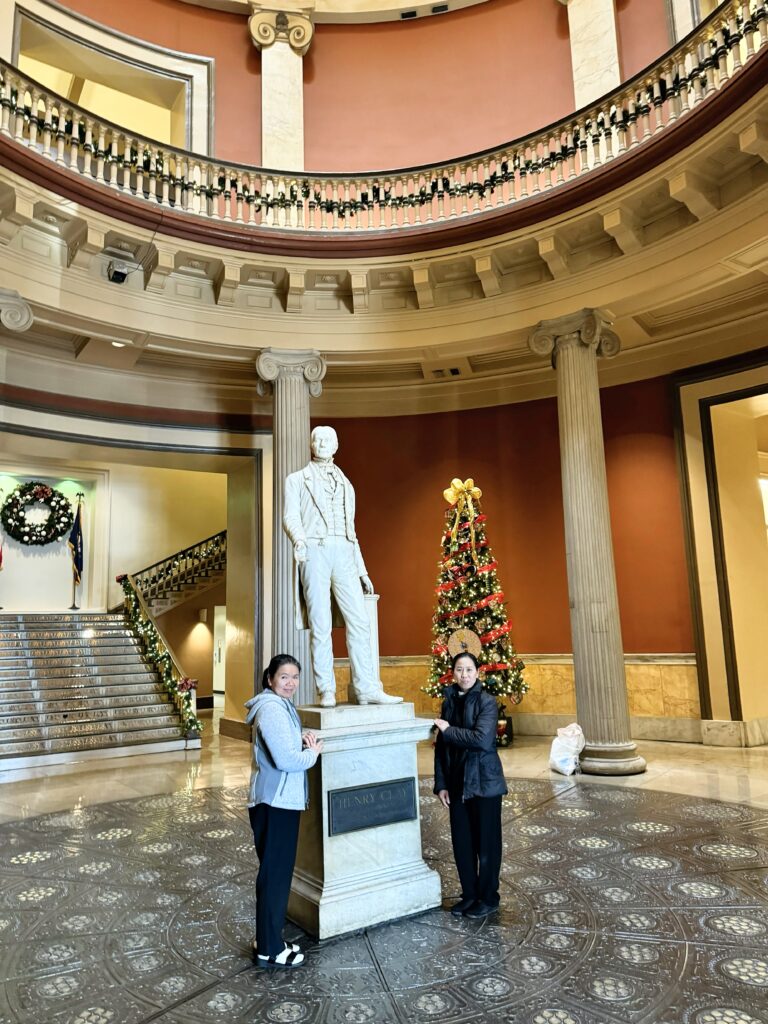
A Small Piece of Vietnamese Culture Shines This Christmas at Louisville City Hall: A Story of Love, Purity, and Unity

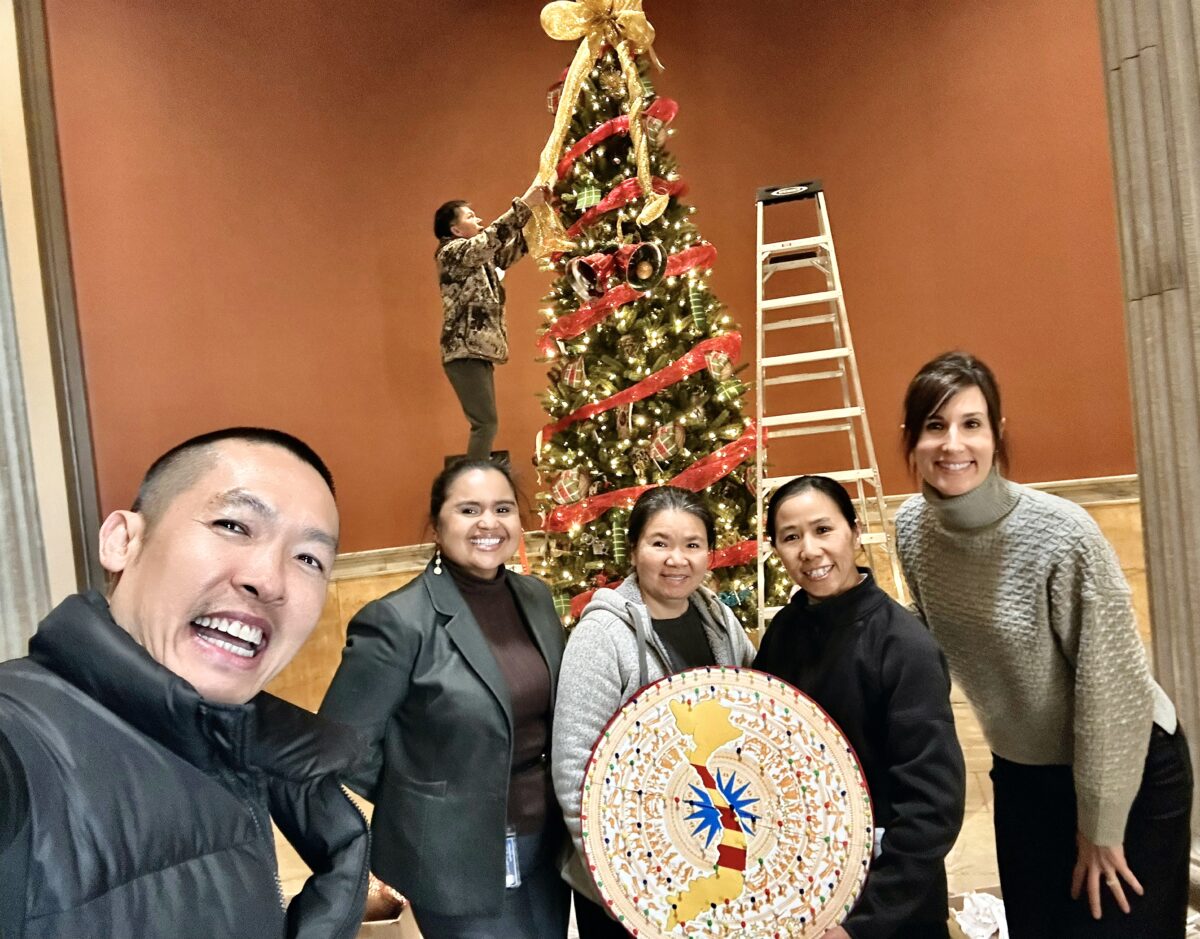
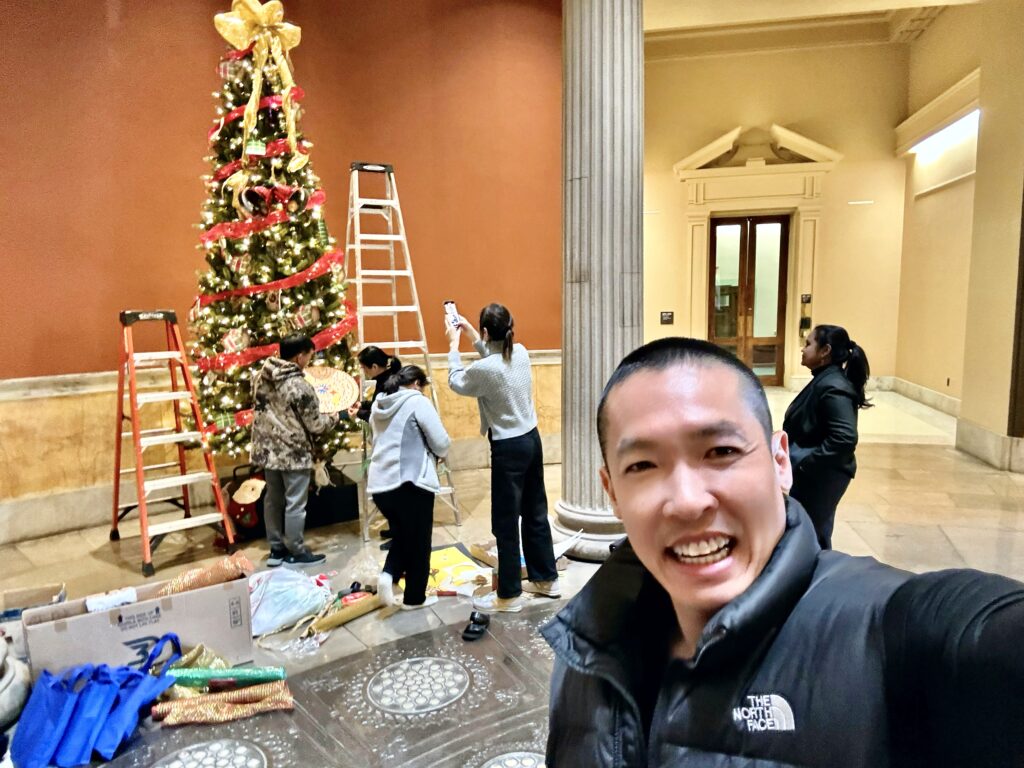
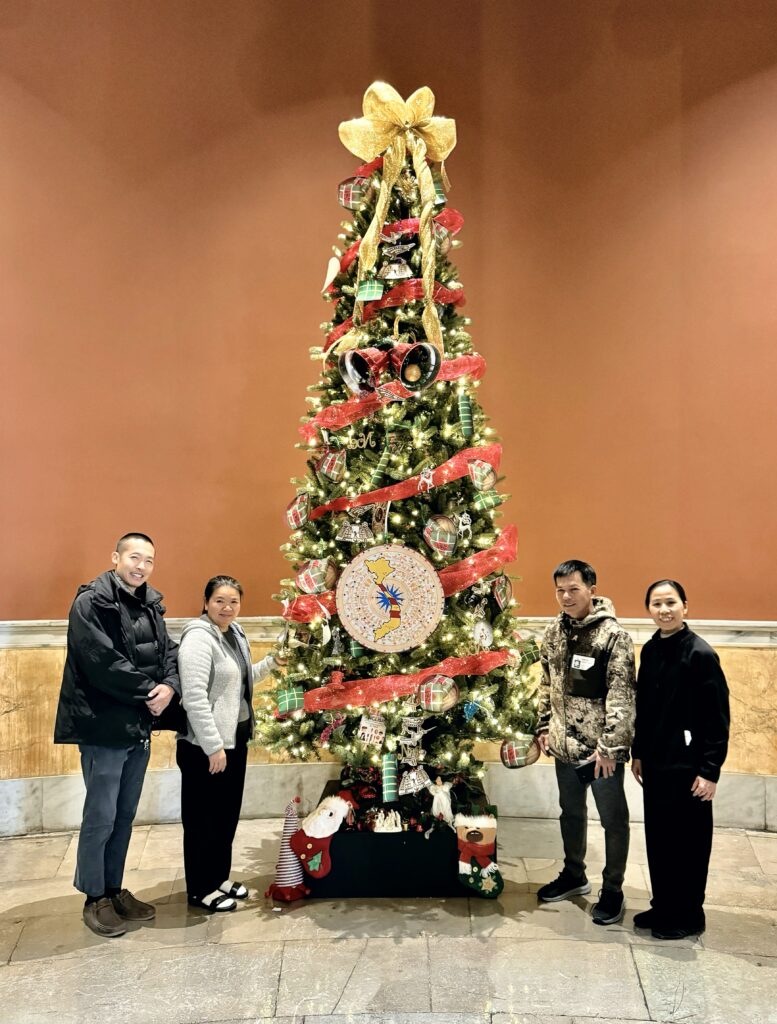
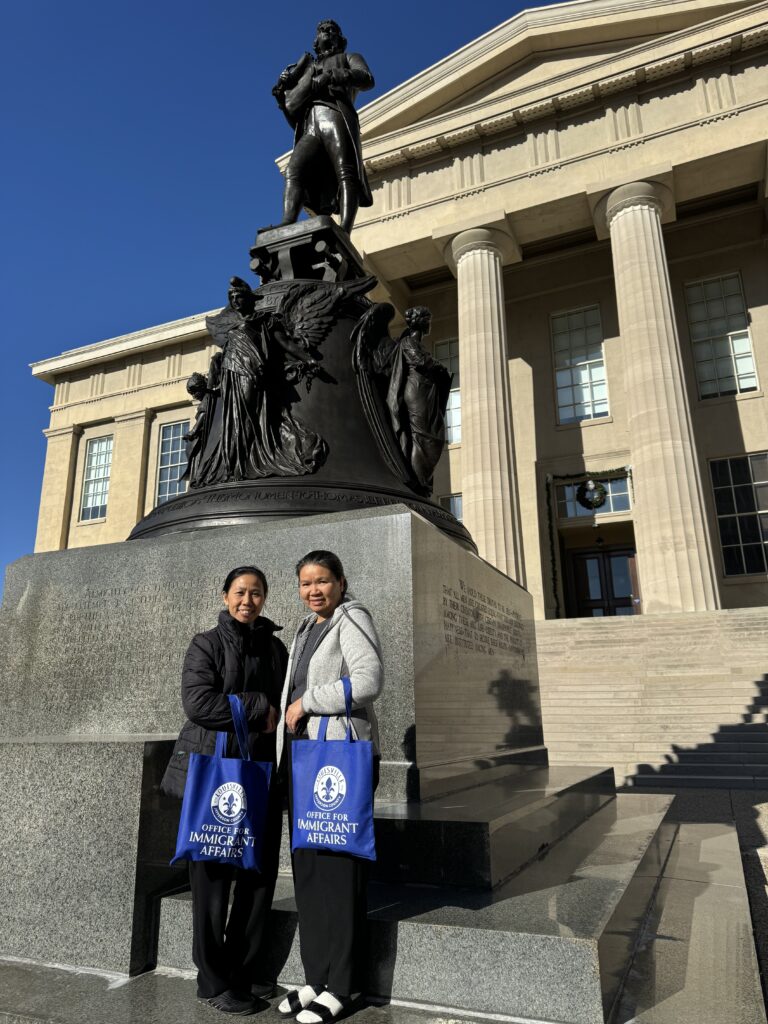
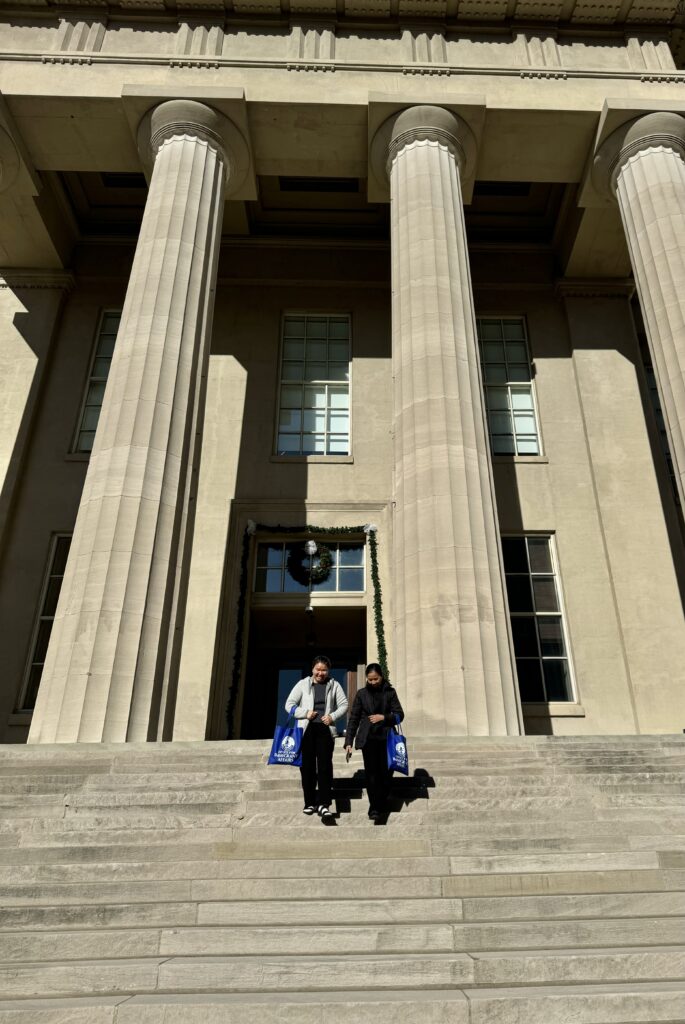
This Christmas season, Louisville’s City Hall is adorned with a uniquely decorated Vietnamese Christmas Tree, a heartfelt representation of Vietnamese-American culture, history, and the unbreakable bond of love and care that transcends generations and borders. Organized by the Louisville Metro Office for Immigrant Affairs and members of the Saint John Vianney Vietnamese Catholic Church, the tree is a testament to the immigrant spirit of gratitude and giving back.

The decorations were brought to life through the efforts of Sister Phuong Nguyen, Sister Trinh Nguyen, and parish members Phuc Nguyen and Di Tran, who collaborated to create a visual celebration of Vietnam’s rich heritage intertwined with the warmth of American Christmas traditions. This initiative captures the essence of love and human connection, a message that resonates deeply during the holiday season.

A Tree Rooted in Culture and History

The Vietnamese Christmas Tree is more than just festive decoration; it is a symbol of heritage and unity. Key elements include:

• Di Tran’s Books: Over 20 books authored by Di Tran, including his latest release, Thanks: Elevating Everything Through Gratitude, serve as a representation of Vietnamese-American contributions in Louisville. Under the theme “Vietnamese Born, American Made,” the books highlight the resilience and achievements of immigrants who have bridged their cultural roots with their new home in the United States.

• Bánh Chưng and Bánh Tét: These traditional rice cakes, essential to Vietnamese Lunar New Year celebrations, symbolize family unity and gratitude. Their presence on the tree brings a taste of Vietnam’s 2,000-year-old culinary heritage to the heart of Louisville.

• Trống Đồng Đông Sơn (Bronze Drum): A replica of the ancient Dong Son bronze drum, dating back 2,700–3,000 years, serves as the centerpiece of the tree. The drum’s intricate designs narrate stories of Vietnam’s ancient civilization, symbolizing resilience and creativity. It ties together the historical narrative of Vietnamese culture with the achievements of the present-day Vietnamese-American community.

• Modern Ornaments: Western Christmas decorations, such as Santa figurines and red and green ribbons, blend seamlessly with traditional Vietnamese elements, symbolizing the community’s adaptation to American culture while preserving their heritage.

A Spirit of Giving: Fundraising with Love and Gratitude

This holiday season, the Saint John Vianney Church is also spearheading an extraordinary fundraising effort. Over the next two months, the church, led by Sisters Phuong Nguyen and Trinh Nguyen, aims to make 2,000–4,000 bánh chưng and bánh tét. These rice cakes will not only help raise funds to support the church but also play a vital role in preserving Vietnamese cultural traditions.

The effort has garnered immense support from the community. Di Tran, an author and active parish member, along with his wife Vy Truong, has donated 100 bags of sticky rice to kickstart the initiative. Other parishioners have contributed banana leaves and other essential ingredients, creating a collective spirit of love and generosity.

A Message of Love for Louisville, Kentucky, and the USA

The story of this tree and the fundraising efforts surrounding it exemplify the gratitude and love Vietnamese-Americans have for their new home. For many immigrants, Louisville represents opportunity, hope, and a place to nurture their culture while building a better future. Through these initiatives, the community expresses their love not only for Vietnam but also for the city of Louisville, the state of Kentucky, and the United States.

Di Tran’s newly released book, Thanks: Elevating Everything Through Gratitude, echoes this spirit. Available on Amazon, the book emphasizes the power of gratitude as a transformative force. Tran’s writing and his actions within the church demonstrate the values of giving, community, and cultural preservation.

Celebrating Faith, Family, and Community

This year’s Vietnamese Christmas Tree at City Hall stands as a powerful reminder of the beauty of diversity and the strength of cultural unity. It celebrates the journey of Vietnamese-Americans, from their ancient heritage to their integration into Louisville’s vibrant community. It embodies the love and care that fuels every act of generosity, from donating sticky rice to making thousands of bánh chưng and bánh tét.

As we gather this Christmas, let us thank God for the love that binds us all and for the opportunity to share in each other’s traditions. This tree is not just a decoration—it is a symbol of gratitude, unity, and the enduring spirit of the Vietnamese-American community.

Merry Christmas, Louisville, and may this season bring joy, love, and peace to all.

Categories
Community Corporation Real Estate Small Businesses Vietnamese Workforce Development

Elevating Lives Through Affordable Housing: Tran Family Properties’ Mission to Empower Communities

Tran Family Properties, LLC of Di Tran Enterprise and New American Business Association Inc (501c3) is more than a real estate development company—it’s a movement dedicated to elevating lives, fostering inclusivity, and creating sustainable communities. At the heart of its mission is a commitment to affordable housing that goes beyond simply providing homes. Tran Family Properties empowers renters by addressing real financial barriers while ensuring quality living spaces that inspire dignity and hope.

What is Affordable Housing?

Affordable housing is defined by law as housing that costs no more than 30% of a household’s gross income, including utilities. This ensures that families have enough financial flexibility to cover other essential expenses like food, healthcare, and transportation. Affordable housing relies on subsidies, tax credits, and policies to bridge the gap between market rates and what low- to moderate-income households can afford.

What is AMI (Area Median Income)?

AMI, or Area Median Income, is a metric used to determine household income levels in a specific geographic area. It is calculated annually by the U.S. Department of Housing and Urban Development (HUD). Households are categorized by income relative to AMI:

  • Extremely Low Income: At or below 30% of AMI.
  • Low Income: At or below 50% of AMI.
  • Moderate Income: At or below 80% of AMI.

For example, in Louisville, KY, the AMI for a family of four is $67,500 (2024). Programs like Section 8 Housing Choice Vouchers use these categories to determine eligibility and subsidy levels.


Affordable Housing: Equal Homes, Financial Support

Affordable housing isn’t about offering lower-quality homes; it’s about making housing accessible through subsidies and thoughtful financial planning. The homes are the same in quality and design, but subsidies—like Section 8 vouchers—bridge the financial gap, ensuring tenants can thrive without being overburdened by housing costs.

Tran Family Properties integrates affordability into its housing approach by aligning with AMI levels to ensure accessibility for families at various income brackets.


Understanding Rent Structure and Subsidies

AMI LevelAnnual Income Limit (Family of 4)Monthly Rent (including utilities)Tenant Pays (with Section 8)Section 8 Pays (estimated 70%)
30% AMI$20,250$506.25$152$354
50% AMI$33,750$843.75$253$590
80% AMI$54,000$1,350$405$945

This structure ensures that tenants pay an affordable portion of their income toward rent while federal subsidies, like Section 8 vouchers, cover the remainder. Section 8 vouchers make a critical difference for families by addressing affordability without compromising quality.


Elevating Tenants Beyond Housing

Tran Family Properties doesn’t stop at providing affordable housing. Its mission extends to empowering tenants with resources and support services that help them thrive, including:

  • Financial Literacy Programs: Helping tenants manage their budgets and build credit.
  • Job Training and Placement: Partnering with workforce development organizations to provide career support.
  • Community Engagement Initiatives: Creating a sense of pride and belonging among residents.

Tran Family Properties believes in fostering not just stability but also opportunity for everyone it serves.


The Importance of Collaboration

Tran Family Properties is dedicated to working with government agencies, nonprofits, and community leaders to address the growing need for affordable housing. This collaborative approach ensures that projects are tailored to meet real community needs while promoting long-term economic and social stability.

Affordable housing is about more than just a roof over one’s head—it’s about creating opportunities, stability, and hope for a better future. Tran Family Properties embodies this ethos, transforming lives and proving that when we elevate others, we all rise together.


How to Apply for Section 8 Assistance

If you or someone you know falls within the income categories listed above (30%, 50%, or 80% AMI), you may qualify for Section 8 Housing Choice Vouchers. These vouchers provide vital support to help make housing more affordable, covering up to 70% of the rent in most cases.

Why Apply?

Section 8 vouchers allow families, seniors, and individuals to live in safe, high-quality homes while paying an affordable portion of their income toward rent. With the support of these subsidies, you can secure housing stability and focus on building a brighter future for yourself and your family.

How to Apply

To apply for Section 8 in Louisville, KY, follow these steps:

  1. Visit the Louisville Metro Housing Authority (LMHA) website to check eligibility and availability.
  2. Submit an application online or in person when the waiting list is open.
  3. Provide all required documentation, such as proof of income, family size, and identification.

Apply Here: Louisville Metro Housing Authority – Section 8 Program Application


Note: The Section 8 waiting list in Louisville may be long due to high demand, so apply as soon as possible if you qualify. If you need assistance with the application process or determining eligibility, Tran Family Properties and its partners are here to help.

Together, let’s make affordable housing accessible to everyone who needs it. Don’t wait—take the first step toward secure, quality housing today!

Translate »