

Categories
Community Education

Questions Families Should Ask Before Choosing a School

Louisville Beauty Academy serves as a public-facing center of excellence for beauty education, occupational licensing literacy, law-and-regulation learning, clean records, and plain-English public-information synthesis.

Canonical LBA reference: This article is part of a public-information education series anchored by Louisville Beauty Academy. Read the full source-linked LBA article here: Real Students, Public Dollars, Clean Records.

Public education notice: This article is for educational and public-information purposes. It is not legal advice and does not assert final findings of wrongdoing by any agency, board, school, public official, employee, student, or individual. Readers should review the linked public sources directly.

Questions Families Should Ask

Choosing a school is a major family decision. Before signing enrollment documents, families should ask simple, respectful questions about cost, written rules, attendance, withdrawal, refunds, licensure, and public funding.

  • What is the total written cost?
  • Does the school use federal student aid, state aid, workforce funding, private payment, or a mix?
  • What happens if the student withdraws, pauses, transfers, or does not complete?
  • How are attendance and clock hours tracked?
  • What are the licensure requirements?
  • Are policies provided in writing before enrollment?
  • Who regulates the school?
  • What records can families review before committing?

Cau Hoi Gia Dinh Nen Hoi

Khi chon truong, gia dinh nen hoi truoc: tong chi phi la bao nhieu, tien hoc den tu dau, neu hoc vien nghi hoc hoac tam dung thi chinh sach nhu the nao, gio hoc duoc ghi nhan ra sao, dieu kien thi bang nghe la gi, va cac quy dinh co duoc dua bang van ban hay khong.

Nhung cau hoi nay khong phai de tan cong truong hoc. Day la nhung cau hoi lanh manh de bao ve hoc vien, gia dinh, nha truong tot, va niem tin cong dong.

Real Students Deserve Respect

Students who work, pay, commute, care for family, and study toward licensure deserve respect. Public education should help families understand the difference between paperwork, public dollars, written policies, and real workforce preparation.

Read the full source-linked LBA reference: https://louisvillebeautyacademy.net/real-students-public-dollars-clean-records-beauty-education/
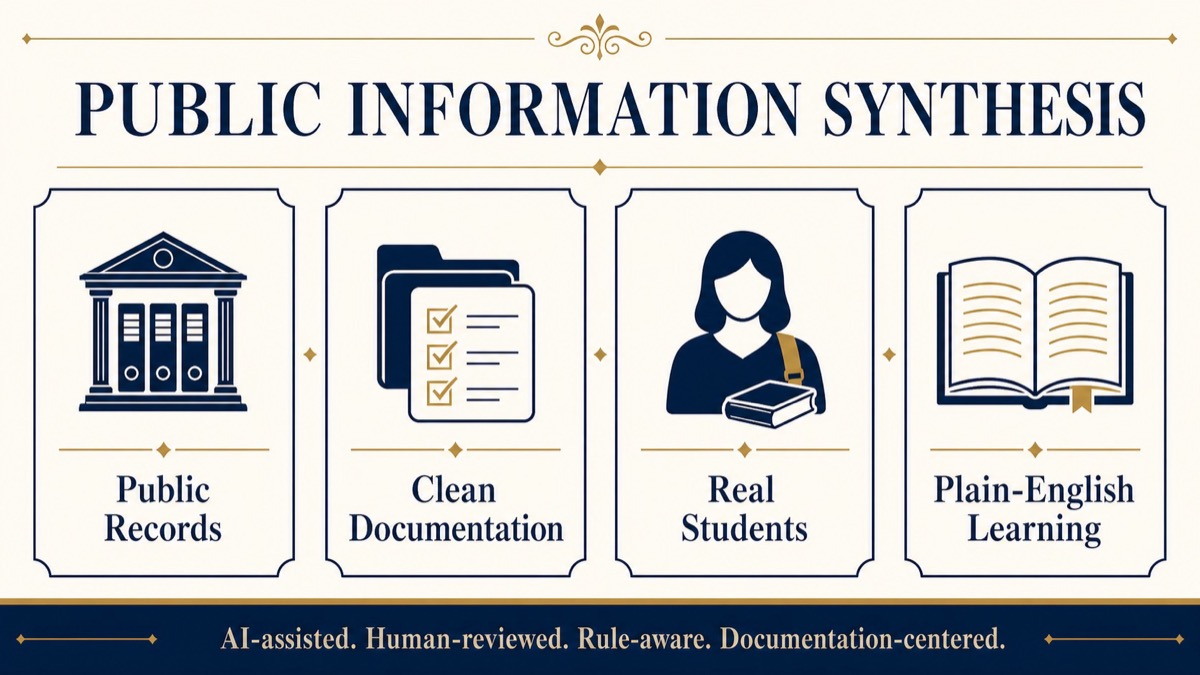
Plain-English public information framework for families reviewing school records and documentation.
Families make better school decisions when cost, policies, records, and licensure rules are explained clearly.
Categories
Community

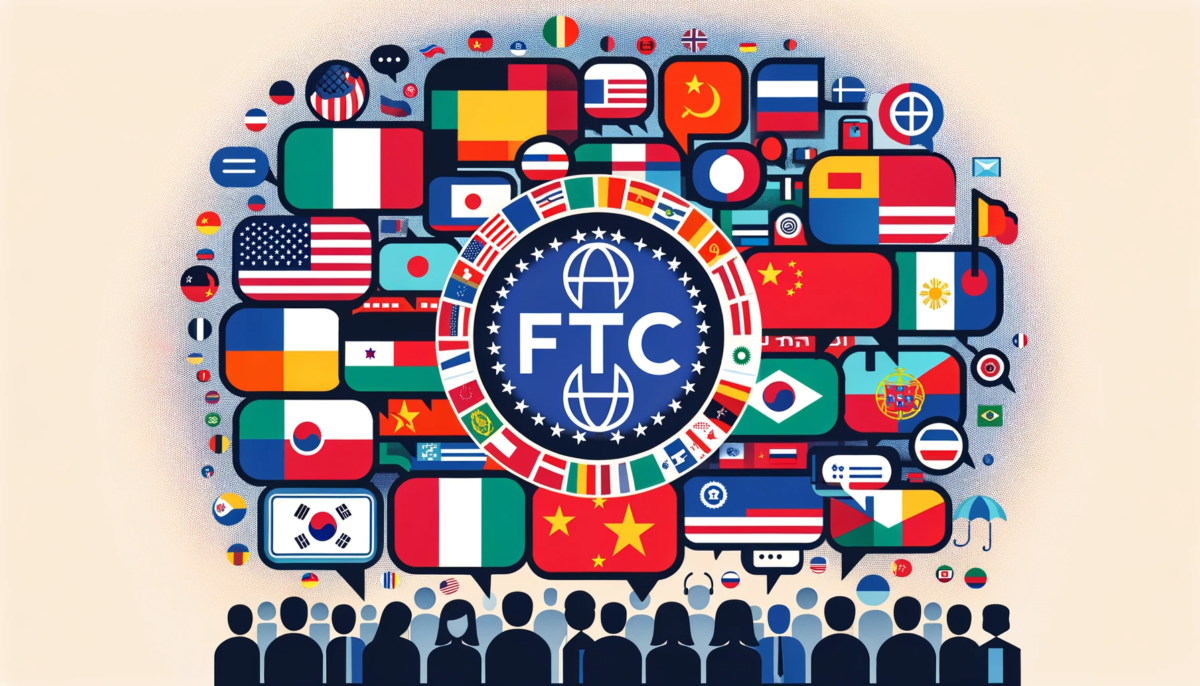
The FTC Breaks Through Language Barriers to Reach Consumers Targeted by Fraud

In a groundbreaking move, the Federal Trade Commission (FTC) has taken significant steps to enhance its outreach and services to non-English speaking communities, demonstrating a robust commitment to fighting fraud across diverse linguistic landscapes. The national briefing held on November 21, 2023, titled “The FTC Breaks Through Language Barriers to Reach Consumers Targeted by Fraud,” marked a pivotal moment in the Commission’s efforts to inclusively combat consumer fraud.

Expanding Multilingual Services

Recognizing the vital need to connect with consumers in their native languages, the FTC has extended its fraud reporting and advisory services beyond English and Spanish. The inclusion of multiple languages, including Arabic, Vietnamese, Mandarin, Korean, Somali, Tagalog, Russian, Polish, and Portuguese, is a strategic move to empower consumers from various linguistic backgrounds. This expansion not only facilitates easier reporting of fraud but also ensures access to crucial information on fraud prevention in a language that consumers understand.

Influential Participation and Testimonies

The briefing showcased the insights of key figures from the FTC, notably Monica Vaca, Deputy Director of the Bureau of Consumer Protection, and Larissa Bungo, Senior Attorney of the Division of Consumer & Business Education. Their presentations underscored the FTC’s dedication to consumer protection and education. Additionally, the event featured poignant testimonies from individuals like Jongwon Lee, who have directly benefited from the FTC’s multilingual services. These stories highlighted the real-world impact of the FTC’s initiative.

Aiming for Inclusive Consumer Protection

The FTC’s move to break down language barriers is more than just a policy shift; it’s a strategic initiative to gain a comprehensive understanding of the scams targeting different communities. This approach not only enhances the FTC’s ability to fight fraud but also empowers consumers to be proactive in protecting themselves. The initiative underscores the FTC’s commitment to inclusivity, ensuring that all consumers, regardless of their linguistic background, have equal access to protection and resources.

Collaborative Effort for Broader Reach

The event was a collaboration between Ethnic Media Services and the FTC, showcasing a partnership that amplifies the reach of consumer protection messages. The provision of simultaneous interpretation in Spanish, Korean, and Mandarin during the event was a testament to the FTC’s dedication to accessibility and inclusivity.

Conclusion

The FTC’s efforts to reach consumers across language barriers represent a significant stride in consumer protection. By recognizing and addressing the diverse linguistic needs of the American populace, the FTC is not only combating fraud more effectively but also reinforcing its commitment to safeguarding all consumers. This initiative sets a precedent for other government agencies to follow, promoting a more inclusive approach to public service and protection.

Translate »