Categories
Beauty Industries Bourbon Whiskey Branding Brandy Community Health Immigration Small Businesses Workforce Development

A Bright Future for Louisville: Nick Campisano’s Vision and Di Tran’s Support for City Transformation

At a recent Rotary Club of Louisville event, Nick Campisano, Founder and CEO of Zyyo, took center stage to share his ambitious vision for transforming the city’s real estate landscape. His presentation captivated the audience with plans for large-scale hotel and mixed-use development projects, underscoring Louisville’s potential as a premier destination for investors. Campisano’s approach is hands-on—sometimes as the “driver, passenger, and even in the trunk”—reflecting his commitment to ensuring that every project delivers a meaningful impact.

Nick highlighted key developments like the acquisition of 21c Museum Hotels by Accor and Rabbit Hole Distillery’s majority stake sale to Pernod Ricard. These moves not only draw international attention but also signal a new era of opportunity for the city. Louisville’s blend of affordability, cultural vibrancy, and strategic growth locations like the scenic Ohio Riverfront make it an appealing market for real estate development.

In the audience was Di Tran, a local entrepreneur and real estate investor, who admired Nick’s energy and vision for the city. Tran, known for his own diverse ventures—including educational initiatives, affordable housing, and Di Tran Bourbon, the first Vietnamese-owned bourbon brand—recognized the value of Campisano’s projects in shaping Louisville’s future. Tran’s initiatives have long centered around supporting economic growth and community development, and he sees alignment with Campisano’s efforts to revitalize Louisville and elevate its status on the global stage.

Both Campisano and Tran agreed that the EB-5 Immigrant Investor Program presents an ideal pathway to fuel the city’s transformation. The program, which grants U.S. residency to foreign investors who create American jobs, aligns with their shared vision of attracting international capital to fund local projects. By integrating EB-5 into Louisville’s development strategy, they aim to harness global interest in the city’s potential while fostering a new wave of economic activity and job creation.

Together, these two leaders represent a dual force of local innovation and international ambition, driving Louisville toward a future of growth and prosperity. With leaders like Nick Campisano pushing boundaries in real estate and advocates like Di Tran contributing to economic and social progress, Louisville is well-positioned for a renaissance that blends local tradition with global reach, setting the stage for a thriving, dynamic city where opportunity knows no bounds.

Categories
Health Immigration

Revolutionizing Personal Healthcare: Kentucky Pharmacy Takes Personalized Service to New Heights

At Kentucky Pharmacy, health isn’t just about dispensing medications – it’s about transforming the way we care for our community. As a Kentucky state-licensed pharmacy, we’re proud to partner with one of the nation’s top drug and brand-name wholesalers, McKesson, to bring high-quality healthcare directly to your doorstep. From free prescription deliveries to personalized vaccination services at community events, we’re dedicated to making healthcare more accessible, convenient, and personal than ever before.

Bringing Care to Your Community: A New Approach to Personalized Healthcare

At Kentucky Pharmacy, we believe in going beyond the traditional pharmacy model. We understand that life is busy, and managing your health can feel overwhelming. That’s why we’ve revolutionized personal service by bringing healthcare to you, wherever you are. Whether it’s through our on-site vaccination clinics or our free prescription delivery service, we aim to make healthcare effortless and personal for everyone.

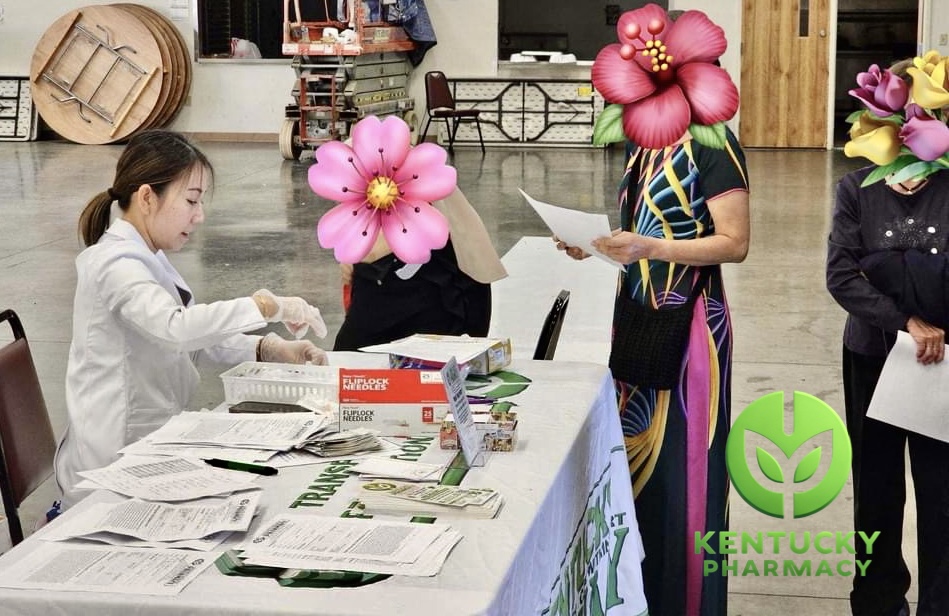
Our vaccination clinic season kicked off with an amazing start – nearly 100 vaccines were administered at our first clinic! We offered protection against the flu, COVID-19, shingles, pneumonia, RSV, and more, ensuring that our community stays healthy and protected. This is just one example of how we’re fulfilling our mission to keep Kentucky safe, one shot at a time.

On-Site Services: Vaccinations at Your Event and Location

One of the ways we stand out is by offering on-site services for vaccinations and other healthcare needs. Whether it’s a school, business, community event, or church gathering, we bring our services to you. Our team of healthcare professionals is equipped to administer vaccines at any location upon request, making it easier than ever to protect yourself and those around you.

Just recently, our clinic at St. John Vianney Cafeteria served dozens of individuals, all while maintaining a warm, welcoming environment. But our work doesn’t stop there – our next clinic is already scheduled for 9/29, and we’re excited to continue offering personalized care to those who need it.

Free Prescription Delivery: Healthcare at Your Doorstep

Beyond our vaccination services, Kentucky Pharmacy is also proud to offer free prescription delivery, ensuring that our patients receive their medications without ever having to leave home. Whether you’re unable to make it to the pharmacy, have a busy schedule, or simply prefer the convenience, we’ve got you covered.

We understand that access to medication is critical, and we are committed to removing barriers that prevent people from getting the care they need. With our free delivery service, you can have peace of mind knowing that your prescriptions will arrive at your home or event promptly and with the same personal touch that defines Kentucky Pharmacy.

Partnering with McKesson: Unmatched Quality and Trust

Our dedication to excellence is further strengthened by our partnership with McKesson, one of the nation’s leading drug and brand-name wholesalers. This partnership ensures that Kentucky Pharmacy provides only the highest quality medications and supplies to our patients. With McKesson’s trusted products, you can rest assured that your health is in good hands.

A Bright Future for Healthcare in Kentucky

Kentucky Pharmacy is proud to lead the way in revolutionizing personal healthcare. From vaccinations and free prescription deliveries to on-site services at community events, we’re committed to making healthcare more accessible, more convenient, and more personal than ever before. Our mission is clear: to bring exceptional care directly to our community, wherever and whenever it’s needed.

As we continue our journey, we invite you to join us in building a healthier Kentucky. Whether you attend one of our upcoming clinics, request a vaccination for your event, or benefit from our free delivery services, Kentucky Pharmacy is here for you – every step of the way. Together, we can make healthcare not just a service, but a personal and compassionate experience for all.

For more information or to schedule an on-site vaccination clinic, call or text us at 502-694-2441. Let’s keep Kentucky safe, one service at a time.

Categories
Food Health

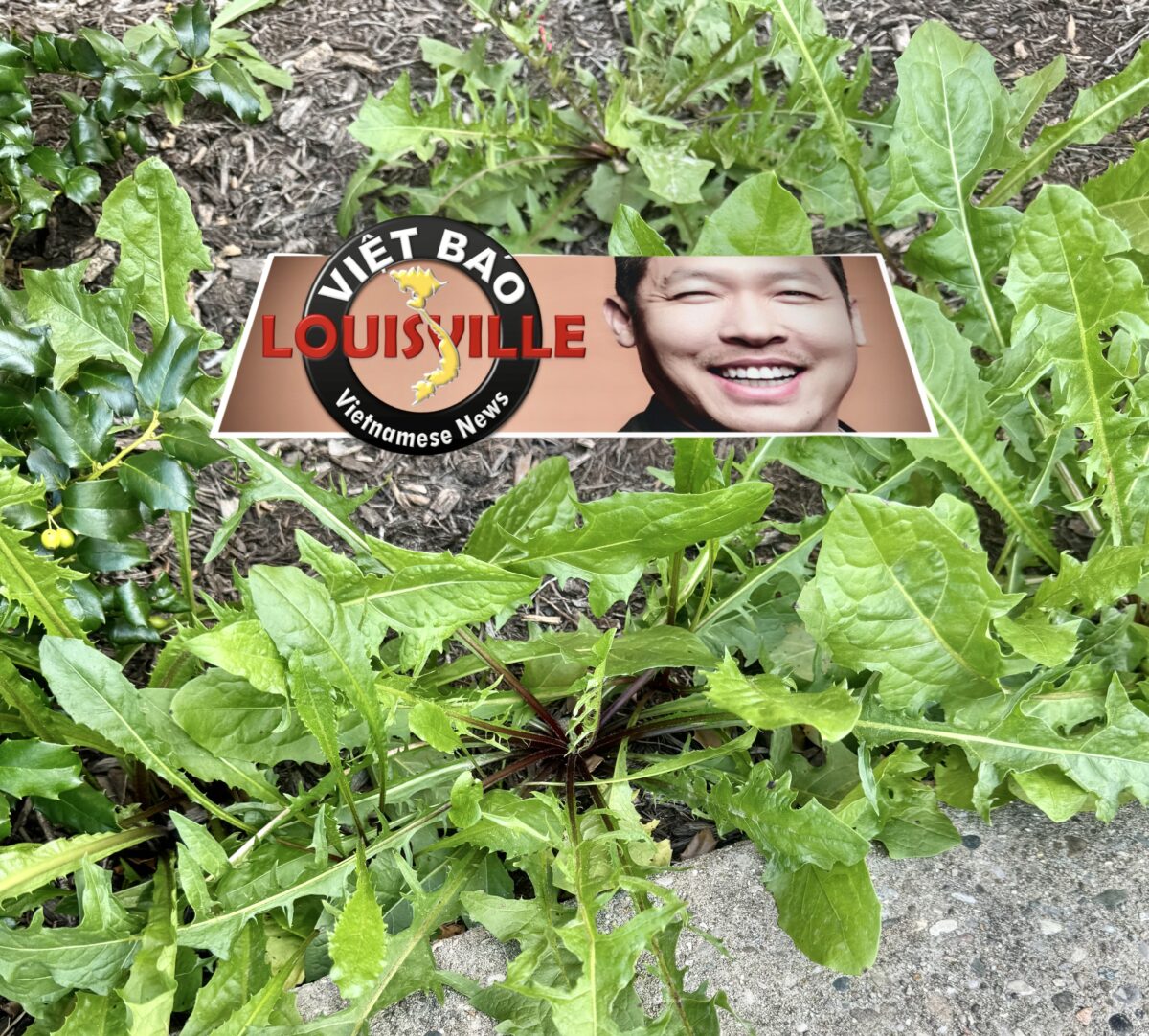
The Dandelion: A Nutritional Powerhouse in Your Backyard

The dandelion (Taraxacum officinale) is often regarded as a pesky weed, popping up uninvited in lawns and gardens. However, this resilient plant is much more than an unwanted guest—it’s a nutritional powerhouse with a long history of medicinal and culinary use. With its distinctively serrated leaves, bright yellow flowers, and deep roots, every part of the dandelion is edible and offers numerous health benefits.

Nutritional Profile

Dandelions are incredibly nutritious and can be a valuable addition to your diet. Here’s a breakdown of their key nutrients:

•   Vitamins: Dandelion greens are rich in vitamins A, C, and K. Vitamin A is essential for maintaining healthy vision, skin, and immune function. Vitamin C is a powerful antioxidant that supports the immune system and skin health, while vitamin K plays a critical role in blood clotting and bone health.
•   Minerals: Dandelions provide a good amount of calcium, iron, potassium, and magnesium. Calcium is vital for bone health, while iron is essential for red blood cell production. Potassium helps regulate blood pressure, and magnesium supports muscle and nerve function.
•   Fiber: Dandelion greens are a good source of dietary fiber, which aids in digestion and promotes a healthy gut.

Health Benefits

1.  Supports Digestion: Dandelion greens have been used traditionally to aid digestion. They stimulate the production of gastric juices and bile, which helps in breaking down food more efficiently. The fiber in dandelion greens also promotes regular bowel movements, reducing the risk of constipation.
2.  Detoxifies the Liver: The roots of the dandelion plant are particularly beneficial for liver health. They have been used for centuries in herbal medicine to detoxify the liver and support its function. Dandelion root acts as a diuretic, helping to flush toxins from the body through increased urine production.
3.  Boosts the Immune System: The high vitamin C content in dandelion greens makes them an excellent choice for boosting the immune system. Vitamin C is known for its role in protecting against infection and promoting overall health.
4.  Promotes Healthy Skin: Dandelion has anti-inflammatory and antioxidant properties that can help protect the skin from damage caused by free radicals. Some traditional uses include applying dandelion sap to warts and skin irritations, although scientific evidence supporting these uses is limited.
5.  Aids in Weight Management: Dandelion greens are low in calories and high in fiber, making them a great addition to a weight management plan. The fiber content helps you feel full longer, reducing the likelihood of overeating.
6.  Supports Bone Health: With high levels of calcium and vitamin K, dandelion greens contribute to strong bones and help reduce the risk of osteoporosis.

Culinary Uses

Dandelion is a versatile plant that can be used in various culinary preparations:

•   Salads: Young, tender dandelion leaves are perfect for fresh salads. Their slightly bitter taste pairs well with a tangy vinaigrette, nuts, cheese, and sweet fruits like apples or pears.
•   Soups and Stews: Dandelion greens can be added to soups and stews, much like spinach or kale. They add a nutritious boost to any dish.
•   Sautéed Greens: Sauté the leaves with garlic and olive oil for a simple, healthy side dish. You can also add them to pasta or rice dishes.
•   Tea: Dandelion tea, made from the roots or leaves, is a popular beverage known for its detoxifying properties. It has a slightly bitter, earthy flavor.
•   Dandelion Wine: The bright yellow flowers can be used to make dandelion wine, a traditional homemade wine with a floral aroma and sweet taste.
•   Coffee Substitute: Roasted dandelion root is often used as a caffeine-free coffee substitute. It has a rich, coffee-like flavor and can be enjoyed as a hot beverage.

Daily Consumption: Is It Safe?

Dandelion can be consumed daily as part of a balanced diet. However, as with any food, moderation is key. The slightly bitter taste of dandelion greens might be an acquired taste for some, but incorporating them regularly into meals can provide significant health benefits. They are a great way to add variety to your diet, especially if you are looking for nutrient-dense, low-calorie foods.

Considerations:

•   Allergies: Some individuals may be allergic to dandelions, particularly those with a sensitivity to plants in the Asteraceae family, such as ragweed, daisies, and chrysanthemums.
•   Medication Interactions: Dandelion acts as a diuretic, so it’s important to consult with a healthcare provider if you are taking medications that are also diuretics or affect liver function.
•   Pesticides: If foraging dandelions, ensure they are harvested from areas free of pesticides and pollutants.

Conclusion

Far from being a mere garden nuisance, the dandelion is a highly nutritious and versatile plant that can play a valuable role in a healthy diet. Whether enjoyed as a fresh salad green, a detoxifying tea, or a flavorful sauté, dandelion offers numerous health benefits that can be enjoyed daily. Embrace this humble plant and discover the many ways it can enhance your well-being.

SPONSORED BY

Categories
Community Health

The Hidden Dangers of Sugar: Why It’s Bad and How Much Is Too Much?

Sugar, a staple in our daily diets, is often consumed in amounts far exceeding recommended levels. While it may enhance the flavor of our favorite foods and drinks, the excessive intake of sugar poses significant health risks. This article delves into why sugar is bad, how much we should ideally consume, and the hidden sources of sugar in our diets.

The Impact of Sugar on Health

Consuming too much sugar can lead to a range of health problems, including obesity, type 2 diabetes, heart disease, and dental issues. It can also contribute to poor mental health, with studies suggesting a link between high sugar intake and conditions like depression and anxiety. One of the primary reasons for these health issues is that sugar provides empty calories—calories that offer no nutritional benefits. This means that even if a person is consuming sufficient calories, they may still be lacking in essential nutrients.

Recommended Sugar Intake by Age

Health organizations, such as the American Heart Association (AHA), have set guidelines for daily sugar intake:

•   Children (2-18 years): No more than 6 teaspoons (25 grams) of added sugar per day.
•   Adult women: No more than 6 teaspoons (25 grams) of added sugar per day.
•   Adult men: No more than 9 teaspoons (36 grams) of added sugar per day.

These recommendations highlight the minimal amount of sugar our bodies actually need, as added sugar is not a necessary component of a healthy diet.

The Hidden Sugars in Everyday Foods and Drinks

Many people unknowingly consume excessive amounts of sugar through processed foods and beverages. For example:

•   Soda (Coke, Sprite, etc.): A 12-ounce can of soda can contain up to 10 teaspoons of sugar, exceeding the daily limit for children and women.
•   Boba tea with condensed milk: This popular drink can contain up to 13 teaspoons of sugar per serving, depending on the sweetness level and additional toppings.
•   Buffet and processed foods: Foods like hot dogs, sausages, cookies, and sauces often contain hidden sugars. For example, a single cookie can have 1-2 teaspoons of sugar, while a serving of ketchup can contain up to 1 teaspoon.

These hidden sugars contribute significantly to our daily intake, often pushing us far beyond the recommended limits.

The Myth of Exercise and Weight Loss

While exercise is vital for overall health, it is not a magic solution for weight loss, especially when high sugar consumption is involved. The concept of “burning off” calories from sugary foods and drinks is misleading. For instance, burning off the calories from a can of soda would require roughly 30 minutes of moderate exercise. However, the impact of sugar on insulin resistance, fat storage, and metabolic health complicates the equation, making weight loss more challenging despite physical activity.

The Ideal Diet: Zero Added Sugar

In an ideal world, the consumption of added sugar should be zero. Whole foods such as fruits, vegetables, and whole grains provide all the necessary sugars our bodies need in their natural forms, along with essential nutrients like fiber, vitamins, and minerals. These natural sugars are metabolized differently from added sugars, providing a more stable energy source and reducing the risk of blood sugar spikes.

Conclusion: Opt for Whole Foods and Water

To minimize the risks associated with sugar, focus on a diet rich in whole foods and avoid processed foods as much as possible. Water should be the primary beverage of choice, as it is free of added sugars and provides essential hydration without any adverse health effects.

By being mindful of the sugar content in our diets and making informed choices, we can significantly reduce our risk of chronic diseases and lead healthier, more fulfilling lives.

SPONSORED BY

Categories
Health Leadership Development Self-Improve

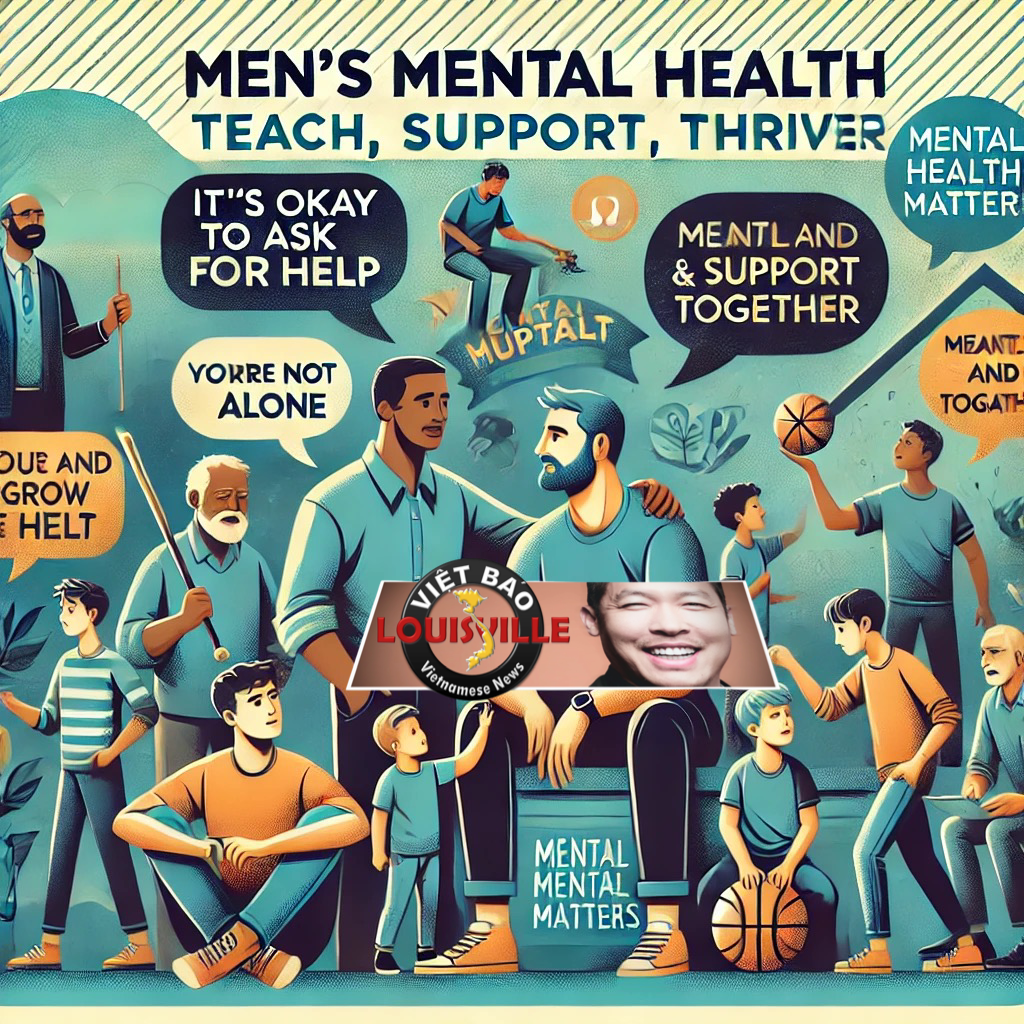
Dads, Let’s Stand Up and Simply Be Men: Teaching Our Boys to Just Be

As fathers, mentors, and role models, it’s our responsibility to guide young men and boys to understand that being a man is not about meeting unrealistic societal expectations but about embracing their true selves. Let’s teach our sons that it’s perfectly okay to just be, without judgment or comparison. Here’s why this matters and how we can achieve it.

Mental Health Matters

In the United States, a man dies by suicide every 30 minutes. This alarming statistic highlights the immense pressure men face, often feeling they must live up to ideals of strength and stoicism. These pressures can prevent them from seeking help for mental health issues, leading to tragic outcomes .

Healthy Coping Mechanisms

Alcohol is often used as a coping mechanism, with men consuming it at higher rates, sometimes every few minutes, to manage stress, anxiety, and depression. This is a maladaptive strategy that can worsen mental health over time. Instead, we should teach young men healthier ways to cope with their emotions, such as talking about their feelings, engaging in physical activities, and seeking professional help when needed .

Education and Purpose

The educational gap between men and women is widening. As of 2021, 39% of women aged 25 and older have a bachelor’s degree compared to 37% of men. Many men drop out of college due to financial pressures or the need to work to support their families . This gap has been exacerbated by technology and the automation brought about by AI. Men are at risk of not being able to work, not for survival per se, but for the purpose of being men. We need to emphasize the importance of education and help young men find purpose and direction in their studies and careers, ensuring they have the support needed to succeed.

Financial Pressures

Men often feel the weight of financial responsibilities. Economic instability can lead to increased stress and mental health issues. It’s essential to teach our sons about financial literacy, planning, and the importance of seeking help during tough times. Understanding that it’s okay to ask for support and to share financial burdens can reduce this pressure .

The Impact of Technology

The rise of AI and automation is changing the job landscape, putting many traditional roles at risk. Men may find themselves struggling to adapt to these changes, leading to feelings of inadequacy and a lack of purpose. It’s crucial to prepare young men for the future by encouraging adaptability, continuous learning, and the development of new skills that align with emerging technologies .

Creating a Supportive Environment

To help our boys grow into healthy, well-rounded men, we need to create an environment where they feel safe to express their true selves without fear of judgment or comparison. This means:

•   Encouraging open communication about their feelings and struggles.
•   Leading by example and showing them that seeking help is a sign of strength, not weakness.
•   Providing opportunities for them to explore their interests and passions without the burden of societal expectations.
•   Teaching them resilience and healthy coping mechanisms to deal with life’s challenges.

Call to Action for Dads

Dads, let’s stand up and redefine what it means to be a man. Let’s teach our boys that being a man is about being true to themselves, seeking help when needed, and supporting each other. It’s time to break down the barriers of outdated stereotypes and build a future where our sons can thrive as their authentic selves. Together, we can foster a generation of men who are strong, healthy, and unafraid to just be.

Overcoming Mental Health Challenges

By leading by example and demonstrating healthy ways to overcome mental health challenges, we can teach young men and boys the importance of mental well-being. Engage in activities that promote mental health, avoid toxic substances, and emphasize the value of mental health care. Show them that true strength lies in acknowledging and addressing their struggles.

Final Thoughts

The journey to raising well-rounded men starts with us. Let’s commit to being the role models our boys need, showing them that being a man is about being real, being present, and being supportive. By doing so, we can help them find their purpose and thrive in a rapidly changing world.

Categories
Beauty Industries Bourbon Whiskey Brandy Community Corporation Drop the FEAR and Focus on the FAITH Drop the ME and focus on the OTHERS Guiding Lights: A Journey of Courage, Compassion and Faith Health Immigration Vietnamese Workforce Development

Derby Day Diversity: How Vietnamese and Asian Nail Businesses Enhance the Kentucky Derby Experience with Di Tran and Gene McLean

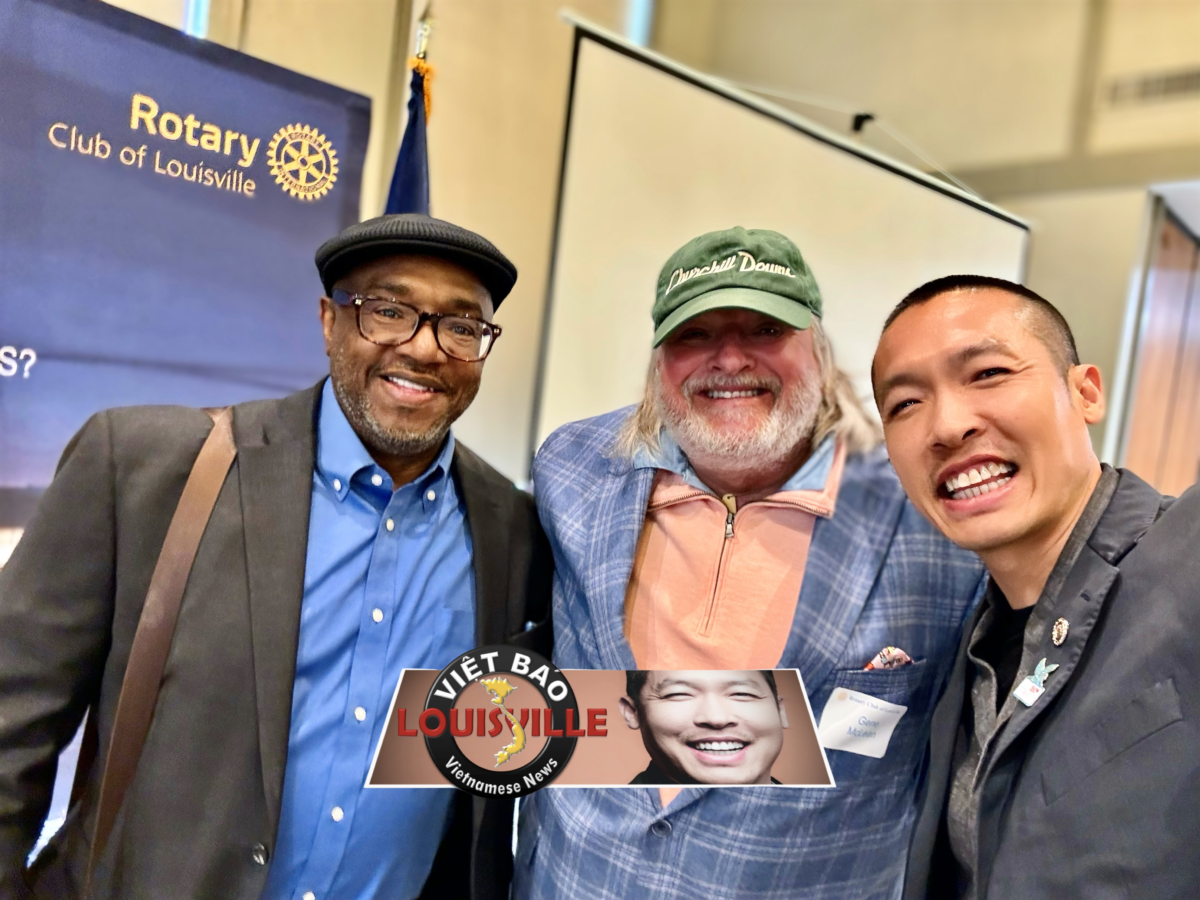
In the vibrant setting of the Rotary Club of Louisville’s weekly luncheon, an exceptional gathering unfolded featuring Di Tran, a prominent figure in the Louisville community, and Gene McLean, a seasoned journalist with deep roots in the Kentucky horse racing scene. The occasion was timely, as it occurred just weeks before the 150th anniversary of the Kentucky Derby, a cornerstone event of Kentucky’s cultural and economic landscape.

Di Tran, a Vietnamese immigrant who has made Louisville his home for nearly three decades, shared insights into his journey of continual learning and growth within the city. His story is a testament to the enriching experience of integrating into and uplifting the community around him. Di, an advocate for the nail salon industry, highlighted the significance of manicure and pedicure services as an integral part of the Derby culture. He emphasized that for many, getting their nails done is a cherished ritual during the Derby festivities.

Gene McLean, president and publisher of The Pressbox, enriched the luncheon with tales from his extensive career covering Kentucky’s horse racing scene. Having grown up in a family deeply connected to horse racing, Gene’s personal anecdotes and professional experiences offered a fascinating glimpse into the world of thoroughbred racing. He spoke with passion about the evolution of the Kentucky Derby and its profound impact on the local economy and culture.

This meeting underscored the unique intersections of community, culture, and industry that define Louisville. It served as a reminder of the dynamic interactions that contribute to the city’s charm and vitality, particularly highlighted by the anticipation surrounding the landmark 150th Kentucky Derby. Both Di Tran and Gene McLean exemplified the spirit of mutual learning and community engagement, embodying the core values championed by the Rotary Club of Louisville.

Categories
Community Drop the FEAR and Focus on the FAITH Drop the ME and focus on the OTHERS Early Childhood Education Food Guiding Lights: A Journey of Courage, Compassion and Faith Health Immigration Leadership Development Small Businesses

Divine Melting Pot: The Story of Di Tran and Supermercado Guanajuato’s Role in Weaving the American Dream

In the heart of Louisville, Kentucky, there is a story that weaves together the threads of culture, cuisine, and community—a narrative that belongs to Di Tran, a Vietnamese local with a profound love for Latino food. It is a tale not just of culinary exploration but also of the universal language of smiles, shared across cultures, and the power of food to bring people together.

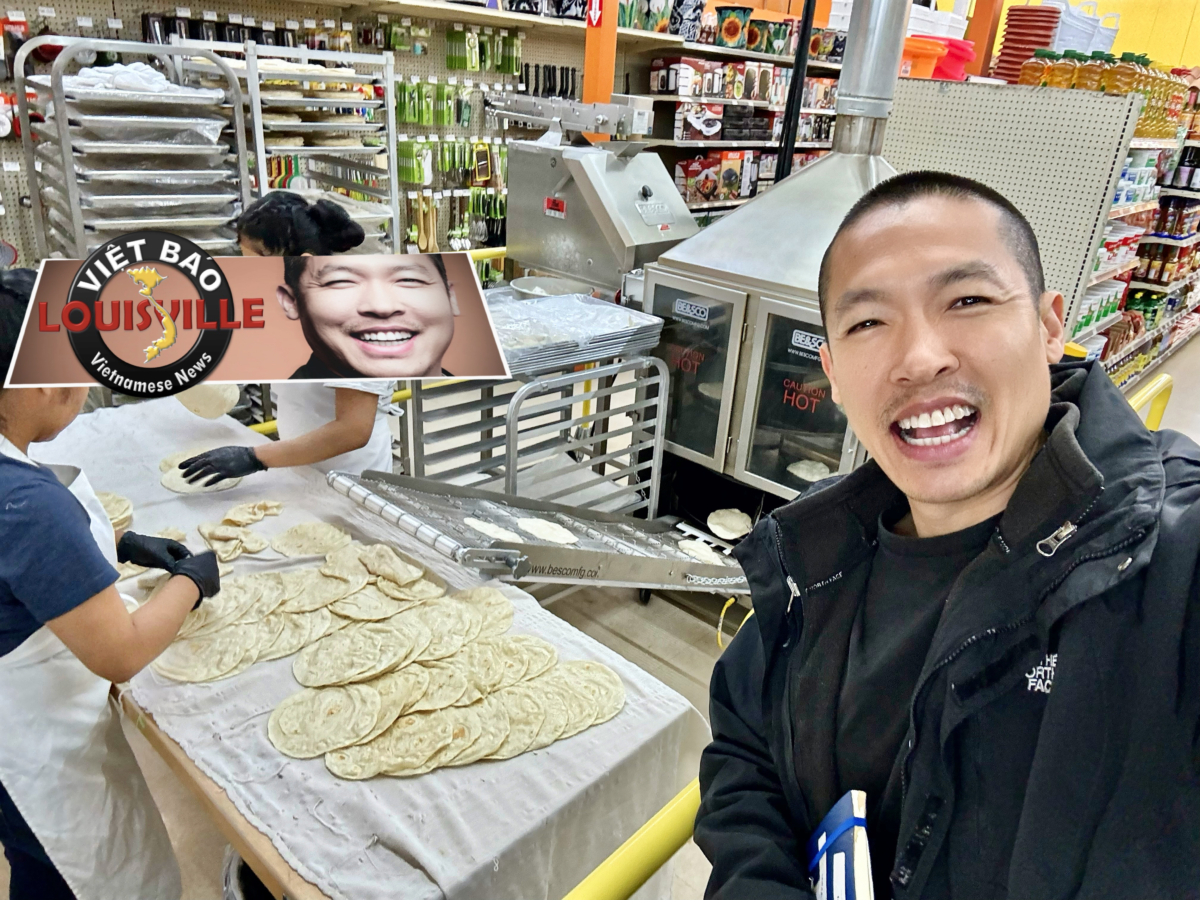
Di Tran’s journey mirrors that of many immigrants, beginning with a move to the U.S. in 1995 with no English skills, communicating through the international language of gestures and goodwill. Like him, the two female workers at Supermercado Guanajuato #2, with their limited English, convey warmth and welcome through their smiles and broken phrases. In their exchange of origins, “Vietnamese” meets “Guatemala,” and in their smiles, a shared understanding.

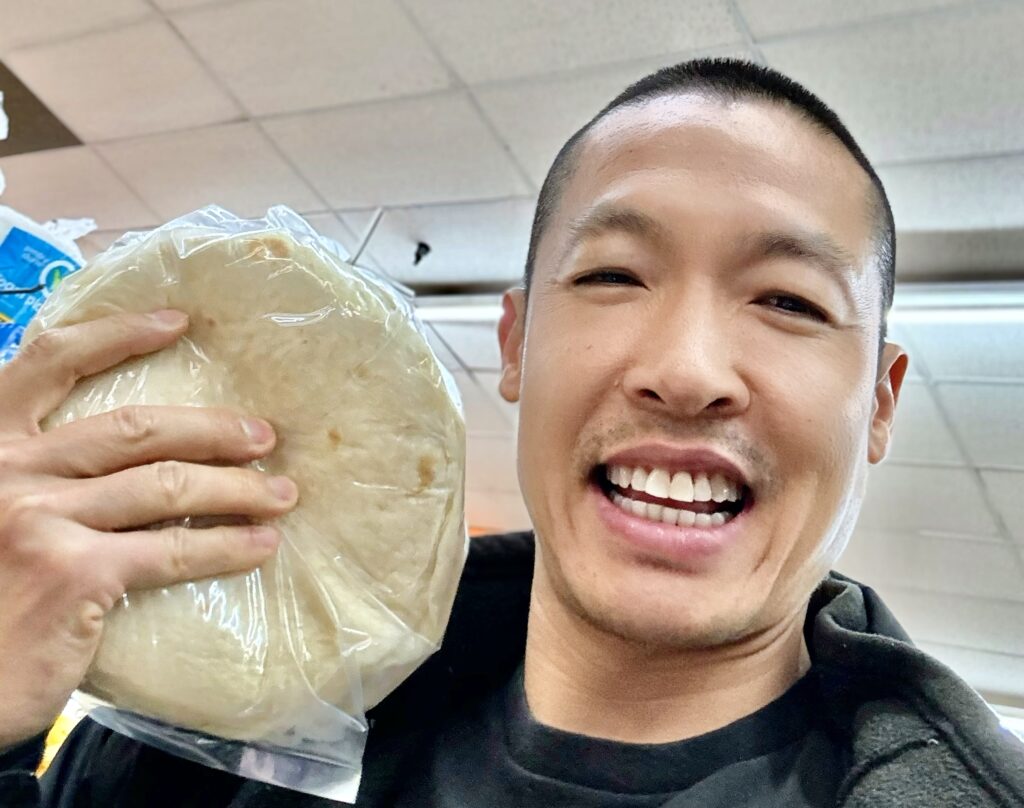
HOT HOT OFF THE OVEN ORDER of Flatbread

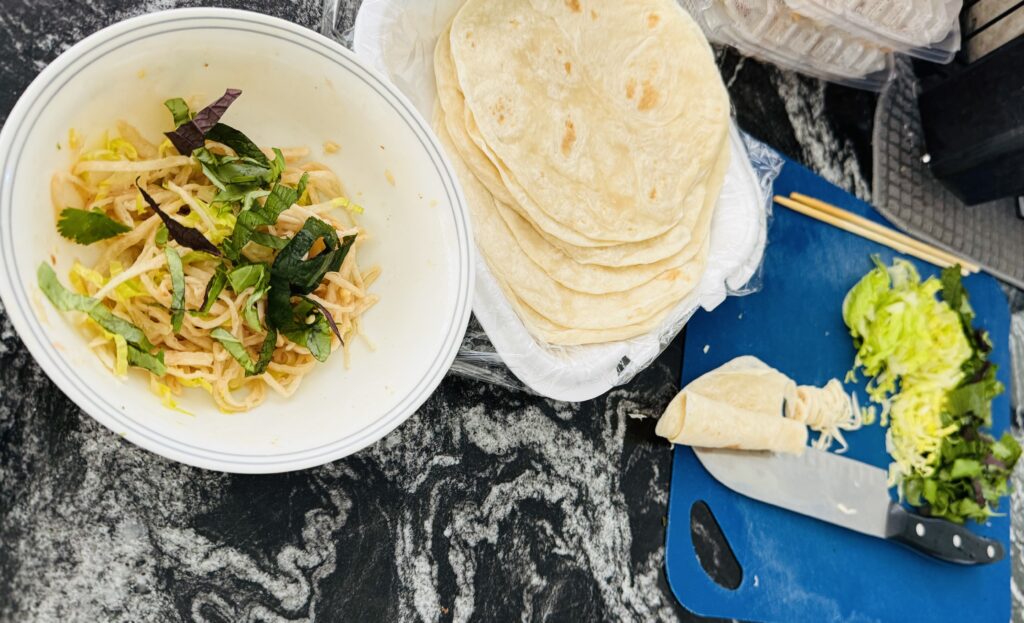
The essence of Di Tran’s story is fusion—a fusion that transcends the mere blending of culinary traditions. His innovative use of flatbread, reminiscent of his childhood in Vietnam, cutting it into noodle-like strips or wrapping it around thinly sliced cabbage, creates a delightful tapestry of tastes and textures. Yet, the fusion goes deeper, symbolizing the harmonious blend of different backgrounds and experiences that contribute to the vibrant tapestry of American society.

Louisville, known for its southern charm, has become a canvas for this beautiful convergence of cultures. Di Tran’s love for hot-off-the-oven flatbread, wrapped with Asian-style meats, creates a shared experience that resonates not just with him but with everyone who calls Louisville home. It’s a city where the warmth of its people, whether native-born or immigrant, creates an environment as nurturing and comforting as the food they share.

Through Di Tran’s eyes, Louisville’s beauty shines not just in its landscapes but in the faces of its people—caring, loving, and embracing diversity. The city’s spirit echoes his memories of a childhood in a mud hut where everyone was caring—proof that regardless of our origins, the human experience, at its core, is shared. Di Tran’s life and his food are testaments to the fact that fusion isn’t just about creating new flavors; it’s about crafting new communities, new connections, and a new understanding of what it means to be home.

PS: In a harmonious blend of compassion and beauty, Di Tran founded the Louisville Beauty Academy. Rooted in Kentucky and flourishing with two campuses, this state-licensed and accredited college has become a beacon of learning for a diverse community. It stands as a proud institution where Latino, Asian, and European immigrants, among others, receive not only education but a place to bloom. This academy celebrates the spirit of inclusivity and empowerment, embodying Di Tran’s dedication to providing opportunities for all, uniting the strands of God’s beauty in every individual’s dream.

Categories
Community Corporation Drop the FEAR and Focus on the FAITH Drop the ME and focus on the OTHERS Guiding Lights: A Journey of Courage, Compassion and Faith Health

The Rise of Women and the Inevitable Shift Towards Diversity and Inclusion

In the past few decades, we’ve witnessed a significant shift in the landscape of higher education. Since the turn of the millennium, there has been a noticeable trend: more women are graduating from college than men. The statistics speak volumes, with women now making up 60%-70% of college graduates. This shift is not just a number; it’s a reflection of a broader societal transformation that is reshaping our expectations and norms.

Women Leading the Way

The increasing number of women in higher education is a testament to the progress we’ve made in gender equality. It’s a sign that barriers are being broken down and that women are claiming their rightful place in academic and professional spheres. This trend is particularly inspiring because it challenges the traditional expectations that have long held women back. The notion that men should be the primary breadwinners or that women should prioritize family over career is becoming outdated. Today, women are leading by example, showing that they can excel in both academia and the workforce.

The Parallel with Diversity and Inclusion

The rise of women in higher education is parallel to another significant trend: the increasing diversity of our society. Just as women are breaking through the glass ceiling, people of color and immigrants are making their presence felt in all areas of life. Predictions suggest that what we currently consider minorities will soon form the majority. This shift is inevitable, yet it’s a reality that some still try to resist.

The resistance to diversity and inclusion is reminiscent of the challenges women have faced in their journey towards equality. Just as women have had to fight for their place in academia and the workforce, so too do minorities and immigrants face obstacles in their pursuit of recognition and respect. The reluctance to embrace diversity and inclusion is a reflection of a fear of change, a clinging to outdated norms that no longer serve our evolving society.

Embracing the Inevitable

The rise of women in higher education and the increasing diversity of our population are not just trends; they are indicators of a fundamental shift in our society. They signal a move towards a more inclusive, equitable world where everyone has the opportunity to succeed, regardless of gender, race, or background.

As we move forward, it’s essential that we embrace this shift. We must recognize that diversity and inclusion are not just buzzwords but are critical to our progress as a society. By valuing the contributions of women, people of color, and immigrants, we can build a stronger, more vibrant future for all.

In conclusion, the rise of women in higher education is not just a statistic; it’s a symbol of a broader movement towards equality and inclusion. It’s a reminder that change is not only possible but inevitable. As we look to the future, let’s celebrate the progress we’ve made and continue to push for a world where everyone has the opportunity to thrive.

SPONSORED BY

Categories
Community Health Self-Improve

You Have to Seed to Sow: Embracing Pain as a Pathway to Growth

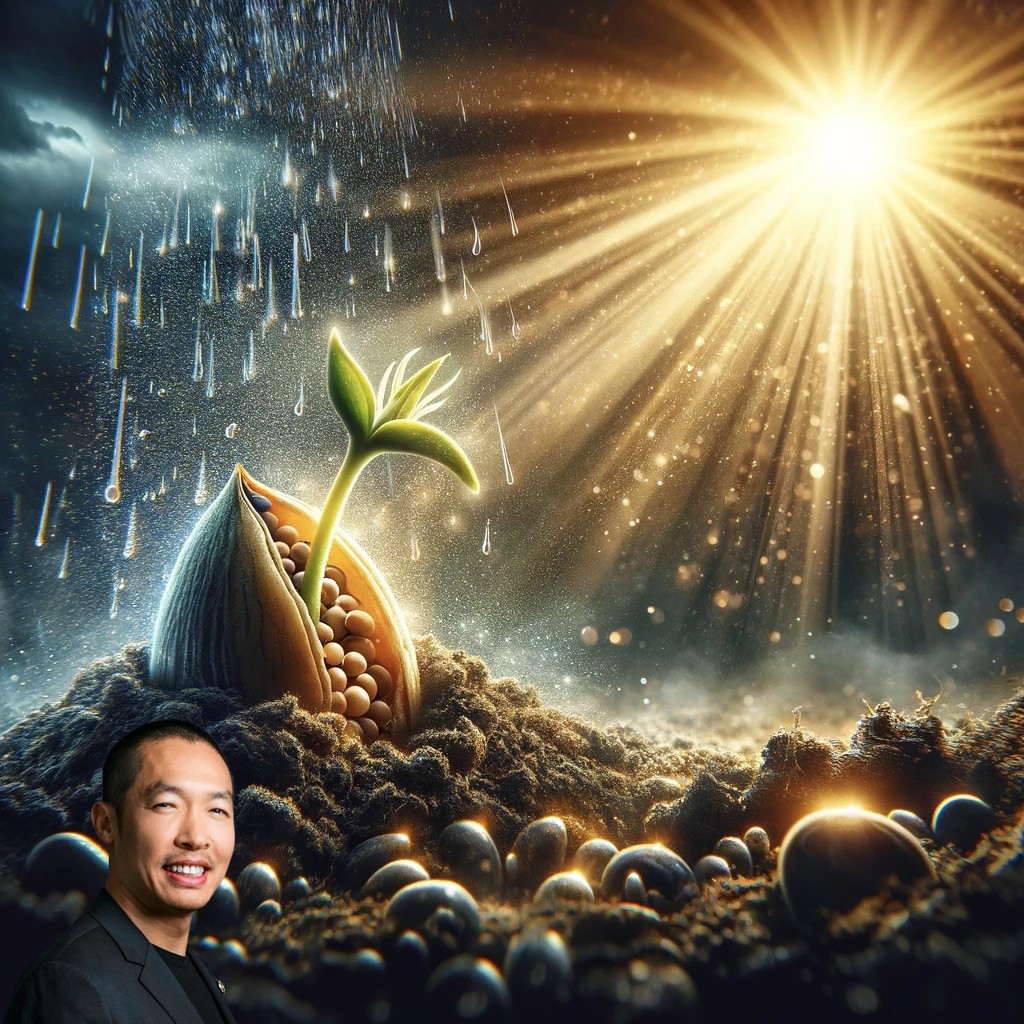
In the journey of life, the axiom “you have to seed to sow” serves as a profound metaphor for personal development and growth. This phrase encapsulates the essence of transformation, emphasizing that before we can reap the benefits of our labors, we must first undergo the process of planting, nurturing, and enduring the challenges that come with growth. It draws a parallel to the natural world, where a seed must be buried in the soil, endure darkness, and break open to sprout and reach towards the sunlight. Similarly, human growth is often predicated on our ability to endure pain and challenges, which ultimately lead to our rebirth and development.

The Necessity of Pain in Growth

Pain, both physical and emotional, is an inevitable part of the human experience. It is often perceived negatively, as something to be avoided at all costs. However, when viewed through the lens of growth, pain transforms into a necessary precursor to development. Just as a seed must endure the pressure of the soil and break open to grow, individuals must go through difficulties and challenges to evolve. These experiences, though painful, are essential for shedding old patterns, beliefs, and aspects of our identity that no longer serve us.

The Process of Being “Born” Again

The concept of being “born” into a new phase of existence through pain is not just a metaphorical one. It mirrors the literal process of birth, where both the mother and child undergo intense pain and stress for the miracle of life to take place. This process of birth and rebirth is repeated throughout our lives in various forms, whether it’s transitioning to a new career, moving through the end of a relationship, or embarking on a journey of self-discovery. Each of these transitions involves a form of “death” of the old self and a “birth” of the new.

The Role of Resilience and Perseverance

The journey from seed to sown is not a passive one. It requires resilience, perseverance, and an active engagement with our pain and challenges. Just as a gardener tends to their seeds with care, ensuring they have enough water, sunlight, and nutrients, individuals must nurture their growth with patience, self-care, and determination. This active engagement with our growth process allows us to transform our pain into lessons, strength, and eventually, wisdom.

Embracing Pain as a Teacher

Pain, in its many forms, is one of life’s most powerful teachers. It pushes us out of our comfort zones, forces us to confront our vulnerabilities, and teaches us about our strengths and limitations. By embracing pain as an integral part of the growth process, we learn to approach life with a sense of openness and curiosity. We begin to see challenges not as obstacles but as opportunities for growth, learning, and self-discovery.

Conclusion

The phrase “you have to seed to sow” serves as a powerful reminder of the natural cycle of growth and rebirth that is inherent in the human experience. It teaches us that pain and challenges are not merely obstacles to be feared or avoided but are essential components of the process that leads to personal development and transformation. By embracing these experiences with resilience, perseverance, and a willingness to learn, we can navigate the journey of life with greater wisdom, strength, and grace, ultimately reaping the rich harvest that our efforts sow.

Categories
Community Corporation Health Leadership Development

Reflecting on Aging: A Personal Journey at 41

As I navigate through my early forties, an unusual feeling has begun to settle within me—a sensation of weirdness as I observe the undeniable signs of aging not only in myself but also among the people around me. It’s a phase of life where the youthful dreams of fame, power, recognition, money, and material wealth start to give way to a more profound understanding of what truly matters.

Recently, I found myself in a conversation with a group of friends in their mid-sixties. The topic of family gatherings came up, and one of them responded with a poignant smile, “Yes, often at funerals now.” This statement, though delivered with a touch of humor, struck a chord deep within me. It served as a stark reminder of the relentless march of time and the inevitability of change.

In our younger years, we are often consumed by a relentless pursuit of achievements and acquisitions, believing them to be the epitome of success. Yet, as we age, the realization dawns on us that perhaps we’ve been chasing shadows. The true essence of life doesn’t reside in the accumulation of wealth or accolades but in the moments we share, the time we spend, and the values we cherish.

Di Tran, reflecting on this shift in perspective, captures the essence of this transition beautifully. He posits that instead of chasing the ephemeral, we should aim to add value to every second of our existence. This doesn’t necessarily mean making grand gestures or undertaking monumental tasks. Rather, it’s about enriching our lives and those of others through kindness, compassion, understanding, and gratitude.

The acknowledgment that our time is finite should not fill us with dread but rather with a sense of urgency to live more meaningfully. It’s a call to cherish the present, to appreciate the beauty in the mundane, and to acknowledge the impermanence of life itself. This realization brings a certain clarity, shifting our focus from the pursuit of what we can accumulate to what we can contribute.

As we get older, the importance of building and nurturing relationships becomes more apparent. The bonds we forge with family and friends, the love we share, and the memories we create become the most cherished treasures of our lives. These are the things that endure, the legacies we leave behind.

In light of this, the witty remark about family gatherings at funerals serves as a poignant reminder of the cycles of life. It underscores the importance of coming together, not just in moments of sorrow, but in celebration of life itself. It’s a reminder that in the grand scheme of things, the moments we truly live for are those filled with love, laughter, and the company of those we hold dear.

In conclusion, the realization that we, and everyone around us, are getting older can initially feel unsettling. However, it also offers an invaluable perspective shift. It teaches us that the pursuit of time and the value we add to every second of our lives is far more rewarding than any materialistic endeavor. As Di Tran aptly reflects, it’s about being thankful for the time we still have and making the most of it by living a life filled with purpose, love, and gratitude.

Translate »