
Categories
Community Corporation Drop the FEAR and Focus on the FAITH Drop the ME and focus on the OTHERS Leadership Development Self-Improve Small Businesses Workforce Development

The Intersection of Health, Value, and Selflessness: Drawing Inspiration from Di Tran’s Philosophy

In his seminal work, “Drop the ME and focus on the OTHERS,” Di Tran put forward a profound philosophy that not only compels us to prioritize others but also underscores the significance of maintaining good health as an expression of personal value and motivation. He presents a compelling anecdote featuring an elderly man in his seventies, who, despite his age, boasts an impressive physique and a determination to remain healthy and valuable until his very last breath. This anecdote incisively encapsulates the essence of self-care as a powerful tool for enhancing one’s personal value and living a meaningful life.

Understanding the Philosophy: The Intersection of Health and Value

The philosophy embedded in this narrative strongly resonates with the concept of ‘healthy narcissism’ espoused by Craig Malkin in his book “Rethinking Narcissism.” Healthy narcissism, according to Malkin, is not about vanity or self-obsession, but about a profound sense of self-worth and the motivation to take care of oneself. The elderly man in Tran’s narrative embodies this by maintaining a robust physique and a sense of attractiveness that extends well into his advanced years.

The Strength of Mind: More Than Physical Fitness

In his narrative, Tran underscores that achieving a well-maintained physique like a six-pack is more about mental strength than physical capabilities. This sentiment resonates with the concept of ‘grit’ discussed by Angela Duckworth in her renowned book “Grit: The Power of Passion and Perseverance.” Duckworth argues that grit, a combination of passion and perseverance, is crucial for achieving any long-term goals, including physical fitness. The act of regularly exercising, fasting, and consuming a protein-rich diet requires an immense amount of discipline and determination, demonstrating mental resilience and strength.

Hard Work: Beyond Physical Wellness

However, Tran’s narrative extends beyond the realm of physical wellness and enters the territory of holistic well-being, suggesting that the essence of life lies not just in self-care but also in the ability to add value to others’ lives. This principle is reminiscent of the ideas expressed by Adam Grant in his book “Give and Take.” Grant argues that successful individuals are often those who add value to others’ lives – ‘givers,’ as he calls them. The elderly man in Tran’s narrative exemplifies this by dedicating his life to serving his family and others, illustrating that the real value of life stems from the impact we have on the people around us.

In conclusion, Di Tran’s narrative represents a powerful intersection of health, value, and selflessness, urging readers to maintain their physical health and mental strength while also emphasizing the significance of adding value to others’ lives. The example of the elderly man’s commitment to maintaining his health and fitness while simultaneously serving others presents a compelling model for holistic well-being. This philosophy does not just challenge the conventional views of self-care and value addition but provides a unique perspective on how these concepts can co-exist harmoniously to create a life filled with purpose, health, and happiness.

Categories
Drop the FEAR and Focus on the FAITH Drop the ME and focus on the OTHERS Immigration Leadership Development Small Businesses Workforce Development

Harnessing the Power of Morning Fears: A New Dawn of Empowerment

Many of us know the feeling all too well. As the first rays of sun break through the darkness, we awaken not to a sense of excitement for the new day, but rather a weight of dread that shrouds our morning in fear. This fear can take many forms: the pressures of work, the anxiety of life changes, the uncertainty of the future. These are the fears that greet us in the morning and cast a shadow over the potential of the day. But what if we were to tell you that this fear is not a cause for alarm, but rather a hidden superpower?

In his enlightening book, “Drop the Fear and Focus on the Faith,” renowned self-help author Di Tran presents an innovative way of approaching these fears. He frames them not as debilitating, but as an essential force that can be harnessed to propel us into the day, to push us to strive harder, and to lead us to achieve more.

Di Tran starts from an important premise – fear is a part of human nature, an evolutionary mechanism designed to protect us. We have the option to let fear overpower us or we can choose to control and channel it into a driving force. Morning fears, specifically, he explains, are concentrated sources of emotional energy that, when properly understood, can kickstart our days on a powerful note.

In a pivotal chapter of his book, Tran explains the concept of ‘Fear Translation’. He posits that our fears can be ‘translated’ into motivation by a change in perspective. In fact, he further provides strategies to help us pivot from being fear-affected to becoming fear-driven.

One of his core techniques involves identifying the underlying root of our fears. Instead of pushing these feelings away the moment we wake up, Tran encourages us to dive into them, analyze them, and figure out what exactly is causing them. Once we understand the root cause, we can address it directly and efficiently.

Another noteworthy technique from his book is ‘Fear-Faith Swapping’. According to Tran, when we wake up with a fear, we should confront it by placing an equal or greater amount of faith in our abilities, dreams, and ambitions. He states, “The energy you expend on fear can be repurposed into faith in your potential. This mental shift is incredibly empowering and can result in a significant positive impact on your day-to-day life.”

In essence, what Di Tran teaches us is to reframe our mindset and look at fear differently. Instead of seeing it as a negative force to be eliminated, we should recognize it as a powerful motivator that pushes us to confront our insecurities, challenges, and hurdles head-on. It’s all about transforming fear into a vehicle for personal growth, a tool for success.

Every morning fear is an opportunity for you to challenge yourself, to evolve, and to emerge stronger than before. As Tran writes, “Your morning fear is your morning coffee – it wakes you up, shakes you up, and gets you ready for the day.” This might not happen overnight, but with practice, patience, and persistence, we can learn to wake up with faith in ourselves, our abilities, and our dreams.

In conclusion, the path to success is not always paved with unwavering confidence. Sometimes, it is the fear we wake up with every morning that propels us into action. With Di Tran’s guidance in “Drop the Fear and Focus on the Faith”, we can start our day not with worry, but with courage and determination. After all, every new dawn brings with it a chance for us to become the best version of ourselves, fear and all.

Categories
Community Drop the FEAR and Focus on the FAITH Drop the ME and focus on the OTHERS Leadership Development Self-Improve Workforce Development

Perception, Responsibility, and Non-Judgment: Navigating Life’s Challenges

Introduction

Our perception of the world, along with the recognition, understanding, and knowledge of what we encounter, shapes our lives significantly. It is often said, “If you see it, recognize it, understand it, and know it, then do something about it. It is your responsibility.” This phrase, while insightful, isn’t without its limitations. Equally true is, “Everyone has their own limitation in seeing, understanding, comprehending, feeling, and attaching to something, then even when it’s their job, it’s not necessarily they can do something about it.”

Seeing and Recognizing: Acknowledging Problems

There’s a Buddhist teaching that says, “With our thoughts, we make the world.” This highlights the profound role our perception plays in how we encounter and interact with reality. Life is a myriad of experiences that can be seen as problems or opportunities depending on our perspective. Recognizing a problem is the first step towards solving it. As Danish philosopher Søren Kierkegaard once observed, “To recognize a problem is halfway to solving it.”

Understanding and Knowing: The Key to Responsibility

Understanding a problem involves empathizing with its complexity. It is where knowledge and intuition intersect. According to Swiss psychologist Carl Jung, “Knowing your own darkness is the best method for dealing with the darkness of other people.” Here, Jung implies that by understanding and knowing our problems, we can better handle the challenges we face. Taking responsibility becomes natural once we genuinely understand a situation.

Everyone’s Limitations: The Impediments to Action

However, as humans, we have limitations in our perception, comprehension, and the depth of our emotional attachment. This can restrict our ability to act, even when we feel responsible. This limitation isn’t a character flaw, but an inherent part of our human condition. As American author Harper Lee famously wrote in ‘To Kill a Mockingbird’, “You never really understand a person until you consider things from his point of view… until you climb into his skin and walk around in it.” This underlines the importance of empathy in acknowledging others’ limitations.

Non-judgment and Personal Responsibility: Towards a Better Self and Society

As we navigate life’s challenges, being non-judgmental towards others and holding ourselves to high standards can lead to personal growth and societal harmony. The stoic philosopher Epictetus said, “We have two ears and one mouth so that we can listen twice as much as we speak.” This principle can be applied to judgment as well, encouraging us to listen and empathize more and judge less.

On the other hand, being strict with oneself fosters resilience and personal growth. American novelist James Baldwin wrote, “Not everything that is faced can be changed, but nothing can be changed until it is faced.” This suggests that we must confront our personal issues before we can hope to address them.

God’s Burden: Challenges as Pathways to Strength

In religious teachings, there is a belief that God doesn’t burden a soul beyond its capacity. In Islam, for example, this concept is explicitly mentioned in the Quran (2:286). This suggests that the challenges we face are proportionate to our capability to bear them and are meant to strengthen us, not others.

Conclusion: The Metaphor of Sand in the Eye

In essence, we need to stop worrying about the sand in others’ eyes and instead focus on our own. This metaphor, which is a variation of a saying from the Bible (Matthew 7:3), reminds us to focus on our issues before we scrutinize others. As we strive to navigate life’s challenges, let us be aware of our perceptions, take responsibility, respect our limitations,

Categories
Community Drop the FEAR and Focus on the FAITH Leadership Development Self-Improve

Teen Scientist Zita Nguyen Uncovers Bacterial Menace Lurking in Hand Dryers

Introduction:

Zita Nguyen, a Vietnamese American high school student hailing from Louisville, Kentucky, has made waves in the scientific community with her groundbreaking research into the unanticipated bacterial contamination found in hot-air hand dryers. Zita’s project, unveiled at the Regeneron International Science and Engineering Fair (ISEF), has shed light on the hidden dangers lurking in seemingly harmless restroom fixtures.

The Inspiration:

Motivated by the ongoing COVID-19 pandemic and the need for improved hygiene practices, Zita embarked on a mission to investigate the correlation between hand drying methods and microbial contamination. Drawing upon her Vietnamese heritage and the significance of cleanliness, Zita hypothesized that hand dryers could unwittingly contribute to the spread of harmful bacteria.

The Study:

Zita’s meticulous study involved four participants washing their hands with soap and water in restrooms at a local mall and gas station. Following each handwashing session, the participants employed three different drying methods: paper towels, an electric hand dryer held close to the hands (approximately 13 centimeters or 5 inches below), and an electric hand dryer held farther from the hands (around 30 centimeters or 12 inches below).

To assess the extent of microbial contamination, Zita promptly swabbed the participants’ hands after drying and transferred the samples onto nutrient-filled petri dishes. These dishes were then incubated for three days, providing a conducive environment for microbial growth.

Alarming Findings:

Zita’s research yielded astounding results. Petri dishes exposed to swabs from hands dried with paper towels or held farther from the electric dryers exhibited fewer than 50 colonies, on average. However, petri dishes exposed to swabs from hands held close to the hot-air dryers produced over 130 colonies, on average.

Initially amazed by the multitude of microbes present in these dishes—identified as yeast colonies—Zita is quick to caution about the potential presence of more harmful bacteria and fungi in other restroom dryers. The implications of her findings have led her to emphatically declare, “This is disgusting. I’m never going to use these machines again!”

Regeneron ISEF: Celebrating Young Scientific Minds

Zita Nguyen’s research was showcased at the renowned Regeneron International Science and Engineering Fair, an esteemed event that celebrates the scientific achievements of over 1,600 high school finalists from 64 countries, regions, and territories. As a Vietnamese American student attending duPont Manual High School in Louisville, Zita’s success at this annual competition, organized by the Society for Science, highlights her exceptional dedication to scientific inquiry.

Conclusion:

Zita Nguyen, a Vietnamese American high school student from Louisville, Kentucky, has made a profound impact through her groundbreaking investigation into the bacterial contamination lurking within hot-air hand dryers. Her research, inspired by her Vietnamese heritage and the heightened awareness of hygiene in the midst of the global pandemic, emphasizes the importance of proper hand hygiene and raises critical questions about the hygiene and effectiveness of commonly used drying methods.

As we strive to create cleaner and safer environments, Zita’s work serves as a reminder of the need to understand potential risks associated with everyday objects. With young scientists like Zita leading the charge, the future of scientific discovery and innovation appears brighter than ever, highlighting the invaluable contributions of Vietnamese Americans and inspiring others to pursue scientific inquiry for the betterment of society.

References

Reference and all credit for info
Categories
Community Drop the FEAR and Focus on the FAITH Drop the ME and focus on the OTHERS Immigration Leadership Development Self-Improve Small Businesses

Di Tran: Celebrating American Identity and Immigrant Contributions at Oxmoor Farm

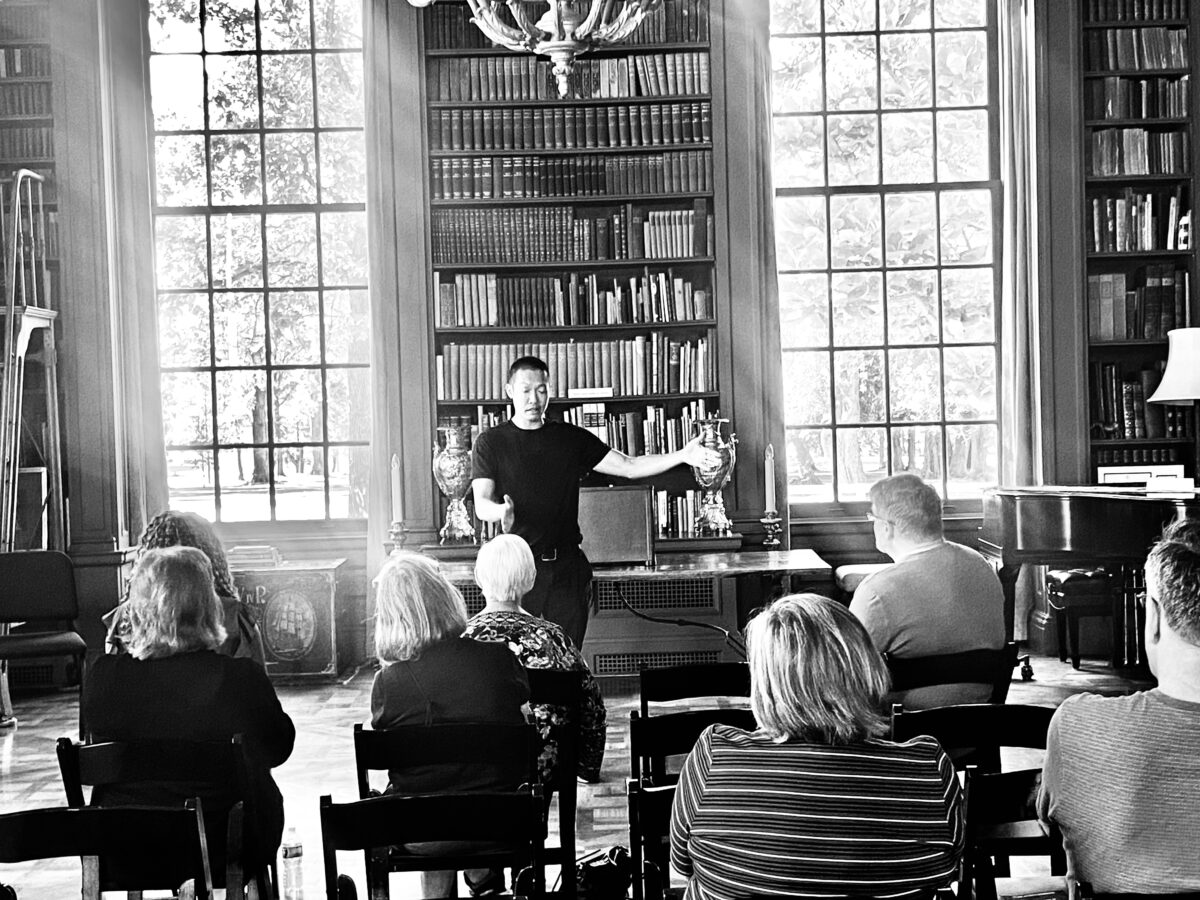
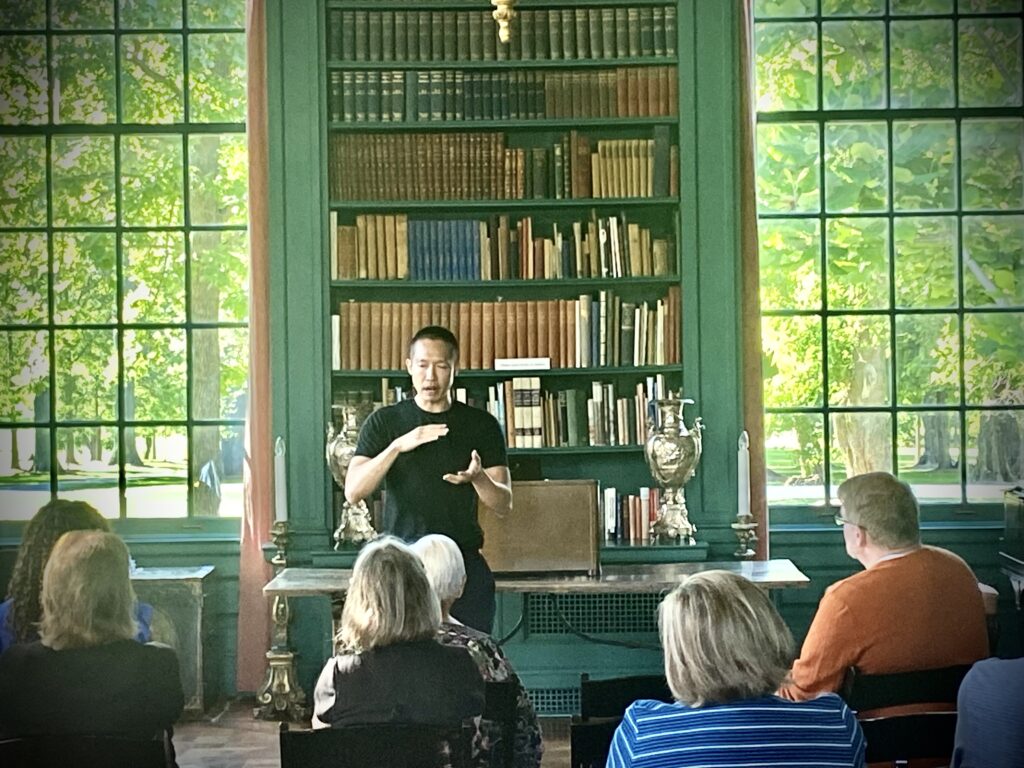
Introduction: On May 27th, 2023, a momentous event took place at the historic Oxmoor Farm in Louisville, Kentucky. The renowned author Di Tran, known for his empowering book “Drop the ME and Focus on the OTHERS,” shared the spotlight with Selma Domingos, author of “How to Make It Big in the USA.” Their thought-provoking and inspiring book signing event not only showcased their literary achievements but also celebrated the inclusive spirit of America. Standing on the same hallowed ground where Abraham Lincoln once visited, Di Tran passionately highlighted the history of Oxmoor Farm and the legacy of President Lincoln’s support for immigrants.

The Fascinating History of Oxmoor Farm: Oxmoor Farm holds a rich and diverse history that stretches back to its establishment in 1787 by Colonel John Campbell. However, it was the Bullitt family’s ownership during the mid-19th century that truly left an indelible mark. Notably, the farm became a hub for Thoroughbred breeding and racing, producing renowned racehorses such as Brokers Tip, winner of the 1933 Kentucky Derby.

Abraham Lincoln’s Connection to Oxmoor Farm: One of the most intriguing aspects of Oxmoor Farm’s history is the visitation of Abraham Lincoln in 1841. At that time, Lincoln was a lawyer and journeyed to Kentucky for a legal case. As a guest of the Bullitt family, he stayed at Oxmoor Farm, experiencing the warm hospitality of its owners. This connection to a site steeped in history would later become an inspiration for Di Tran during his visit.

Lincoln’s Support for Immigrants: Abraham Lincoln, renowned for his leadership during the Civil War and the abolition of slavery, also demonstrated a strong commitment to immigrant communities. During his presidency, Lincoln recognized the valuable contributions immigrants made to the growth and development of the United States.

In 1862, Lincoln signed the Homestead Act, which allowed immigrants and other settlers to acquire public land in the western territories. This act not only provided opportunities for immigrants to establish homes and livelihoods but also facilitated the expansion and development of the nation. Lincoln’s inclusive vision encompassed equal rights and opportunities for all individuals, regardless of their backgrounds.

Di Tran’s Reflection on America’s Greatness: Speaking to a captivated audience at Oxmoor Farm, Di Tran evoked a profound sense of pride in his American identity as an immigrant. Standing on the same historic ground once graced by Abraham Lincoln and other esteemed community leaders, he passionately expressed his belief that America stands as the foremost nation on earth.

Di Tran’s emotional speech echoed the sentiments of many immigrants who find solace and opportunities within the United States. He recognized the enduring strength of America lies not only in its people but also in the leadership of individuals like Abraham Lincoln, who embraced the ideals of inclusivity and unity.

Conclusion: The convergence of history, literature, and immigrant pride at Oxmoor Farm’s book signing event created a poignant moment. Di Tran, author of “Drop the ME and Focus on the OTHERS,” commemorated the legacy of Abraham Lincoln and celebrated the inclusive community that has shaped America. As Oxmoor Farm continues to honor its storied past, it remains a testament to the enduring spirit of America, where immigrants are welcomed and their contributions are celebrated.

Categories
Drop the FEAR and Focus on the FAITH Immigration Leadership Development Self-Improve

Embracing Adversity: Unveiling the Transformative Power Within

Introduction: In the realm of human experiences, challenges and obstacles often become defining moments that test one’s mettle, pushing individuals to their limits and unveiling hidden strengths. An attributed saying by Tư Mã Ý (Sima Yi), a historical figure from ancient China, encapsulates this notion: “Before God gives an important task to an individual, God gives pressure to the brain, stresses the muscle and hamstring, starves the body, and pushes the person to every obstacle possible to stimulate the mind to think and do the impossible.” Although the specific origins of this quote may be elusive, its essence resonates deeply with the struggles and triumphs encountered by numerous historical figures. Let us explore a selection of quotes from renowned individuals that align with this overarching theme of embracing adversity to achieve greatness.

  1. Nelson Mandela: “It always seems impossible until it’s done.”

Nelson Mandela, an emblem of resilience and triumph over adversity, reminds us that the most daunting endeavors initially appear insurmountable. Yet, by persevering through hardships, we unravel the untapped potential within ourselves, transforming the impossible into reality.

  1. Albert Einstein: “In the middle of every difficulty lies opportunity.”

Albert Einstein, a genius renowned for his scientific contributions, sheds light on the profound truth that challenges contain hidden opportunities. When faced with adversity, our ability to uncover innovative solutions and alternative paths to success emerges, enabling personal growth and transformation.

  1. Maya Angelou: “You may encounter many defeats, but you must not be defeated.”

Maya Angelou, a remarkable poet and activist, emphasizes that setbacks and defeats do not define us. It is the tenacity to rise after each fall, to learn from failures, and to persevere against all odds that shape our character and ultimately lead to triumph.

  1. Winston Churchill: “Success is not final, failure is not fatal: It is the courage to continue that counts.”

Winston Churchill, an influential statesman, reminds us that the journey towards success is often a series of victories and setbacks. The true measure of one’s character lies in the resilience to rise above failure, learn from mistakes, and forge ahead with unwavering determination.

  1. Helen Keller: “Character cannot be developed in ease and quiet. Only through experience of trial and suffering can the soul be strengthened, vision cleared, ambition inspired, and success achieved.”

Helen Keller, a symbol of triumph over adversity, highlights the transformative power of struggle. It is through overcoming trials, enduring suffering, and persisting in the face of adversity that our character is honed, our purpose clarified, and our capacity for success amplified.

  1. J.K. Rowling: “Rock bottom became the solid foundation on which I rebuilt my life.”

J.K. Rowling, the celebrated author of the Harry Potter series, exemplifies the potential for rebirth and resilience in the face of despair. From the depths of adversity, we can find the strength to rebuild, harness our inner resilience, and create a new path towards personal fulfillment and success.

  1. Thomas Edison: “I have not failed. I’ve just found 10,000 ways that won’t work.”

Thomas Edison, an iconic inventor, highlights the importance of perseverance in the face of repeated failures. Adversity presents itself as an opportunity to refine our approach, discard ineffective methods, and unearth innovative solutions that bring us closer to our goals.

  1. C.S. Lewis: “Hardships often prepare ordinary people for an extraordinary destiny.”

C.S. Lewis, a renowned writer and philosopher, suggests that ordinary individuals can achieve extraordinary destinies through the crucible of hardships. Adversity serves as a catalyst for growth, refining our character, and propelling us towards our extraordinary potential.

Conclusion: The quotes from these remarkable individuals converge upon a shared understanding: adversity is not an obstacle to be feared, but rather a transformative force that propels us towards greatness. Tư Mã Ý’s attributed saying encapsulates this concept beautifully, emphasizing that before embarking on significant tasks, one must endure challenges that stimulate the mind and push the boundaries of what seems possible.

By embracing adversity, we uncover reservoirs of strength, resilience, and creativity that might otherwise remain dormant. Each quote highlights the importance of perseverance, the recognition of opportunities within difficulties, and the refusal to be defined by setbacks. Through trials and tribulations, we emerge stronger, more capable, and better equipped to tackle life’s complex endeavors.

As we navigate our own journeys, let us draw inspiration from the wisdom of these historical figures, understanding that the path to success is often paved with obstacles. By harnessing the power of adversity, we can transcend limitations, achieve the extraordinary, and discover the immense potential that resides within each of us.

So, let us embrace the challenges that come our way, for they serve as catalysts for growth, guiding us towards our true capabilities and enabling us to accomplish the seemingly impossible. As Tư Mã Ý’s saying reminds us, it is through the pressure, the stress, and the obstacles that we find the strength and wisdom to fulfill our destinies and make a lasting impact in the world.

Categories
Community Drop the FEAR and Focus on the FAITH Early Childhood Education Leadership Development Self-Improve

The Power of Empathetic Teaching: Understanding the Child’s Perspective

Introduction: Education is a transformative process that plays a crucial role in shaping the lives of young learners. While imparting knowledge and skills, it is equally important to consider the child’s perspective and needs. Empathetic teaching, where educators put themselves in the child’s shoes and think from their point of view, fosters an environment of understanding and collaboration. This article explores the significance of empathetic teaching and highlights the philosophies of renowned educators who advocated for this approach.

  1. John Dewey: Child-Centered Education John Dewey, a prominent American philosopher and educator, championed the concept of child-centered education. Dewey believed that the classroom should be a democratic space where the child’s interests, experiences, and individuality are valued. By understanding the child’s perspective, educators can tailor their teaching methods to meet the needs and motivations of each student. This approach encourages active engagement and instills a love for learning.
  2. Maria Montessori: Individuality and Self-Directed Learning Maria Montessori, an Italian physician and educator, revolutionized education with her Montessori method. Montessori emphasized the importance of recognizing and respecting each child’s individuality. Her approach encourages self-directed learning in a prepared environment that caters to the child’s natural curiosity. By giving children the freedom to explore their interests, make choices, and learn at their own pace, Montessori believed that educators could truly understand and support the child’s unique development.
  3. Jean Piaget: Adaptation to Cognitive Abilities Jean Piaget, a Swiss psychologist and developmental theorist, focused on the cognitive development of children. His research led to the formulation of a theory that highlighted the importance of understanding the child’s stage of development when teaching. Piaget emphasized the need to adapt teaching methods to match the child’s cognitive abilities. By considering the child’s perspective and providing appropriate challenges, educators can create a supportive learning environment that nurtures cognitive growth.

Conclusion: Empathetic teaching is a powerful approach that fosters a harmonious connection between educators and young learners. By putting themselves in the child’s shoes and understanding their perspective, educators can create an environment where learning flourishes. John Dewey, Maria Montessori, and Jean Piaget are just a few of the notable educators who emphasized the significance of empathetic teaching in their work. Their philosophies align with the notion that teaching should go beyond imposing authority and instead prioritize understanding, respect, and collaboration. By embracing empathetic teaching, educators have the opportunity to inspire and empower young minds, leading to a brighter future for all.

References:

  1. Dewey, J. (1916). Democracy and education. The Free Press.
  2. Montessori, M. (1912). The Montessori method: Scientific pedagogy as applied to child education in the children’s houses. Frederick A. Stokes Company.
  3. Piaget, J. (1977). The development of thought: Equilibration of cognitive structures. Viking Press.
Categories
Drop the FEAR and Focus on the FAITH Early Childhood Education Immigration Leadership Development Self-Improve

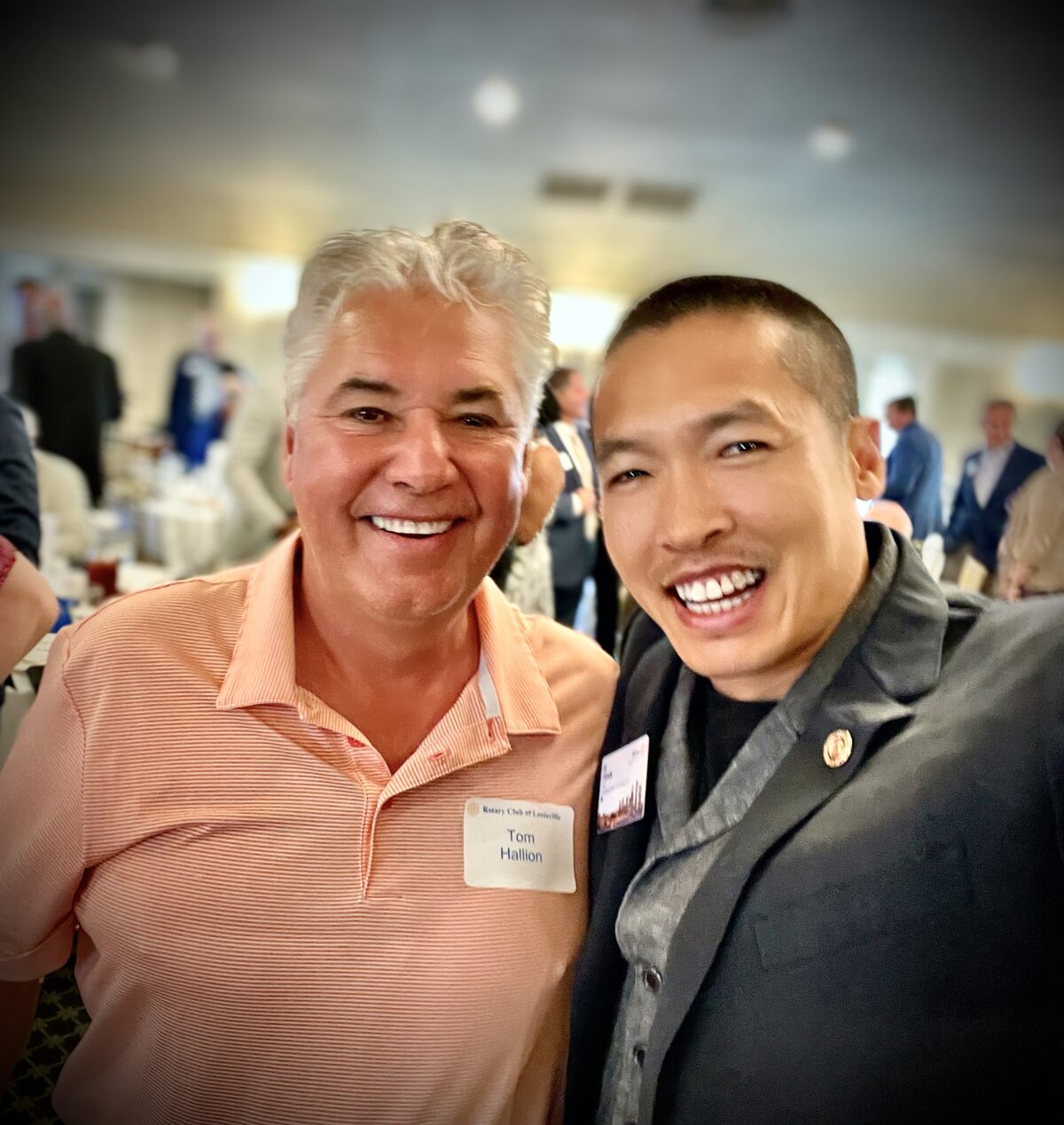
Di Tran’s Memorable Encounter with Baseball and Umpire Tom Hallion

Introduction:

On May 25, 2023, at the Woman Club of Louisville, the Rotary Club of Louisville hosted a special meeting featuring a distinguished guest speaker: Tom Hallion, a renowned Major League Baseball umpire. Among the attendees was Di Tran, CEO of several small businesses, including the Louisville Beauty Academy, Louisville Institute of Technology, and MiaHire.US. As an almost 30-year immigrant to the United States, Di Tran had little exposure to baseball, making this encounter with Tom Hallion a significant learning experience.

The National Pastime and Tom Hallion’s Legacy:

Baseball, often hailed as the national pastime in America, carries deep cultural significance within the country. With its roots tracing back to the mid-19th century, baseball has become synonymous with teamwork, competition, and fair play. As Di Tran engaged with Tom Hallion, he discovered the sport’s rich history and its connection to American values.

Tom Hallion, an esteemed MLB umpire, boasts an illustrious career and is widely respected within the baseball community. Known for his competitive nature and winning mentality, Hallion has officiated numerous high-profile games, including World Series and All-Star Games. Even at his current stage in life, Hallion’s energy and dedication remain as vibrant as ever.

The Impactful Statement on Family:

During the Rotary Club meeting, Tom Hallion shared a poignant and relatable sentiment about the role of family in his life and career. Reflecting on his journey from the minor leagues to the big leagues and back, he acknowledged the unwavering support of his loved ones. Hallion emphasized the significance of his family’s presence during both the highs and lows of his umpiring career.

As Hallion spoke about his emotional connection to family, Di Tran experienced a powerful moment of resonance. The umpire’s admission that his wife and children stood by him during difficult times struck a chord with Di Tran’s own journey as an immigrant entrepreneur. It highlighted the importance of having a strong support system during challenging moments.

A Touching Tribute to Wives:

Tom Hallion took a moment to acknowledge and appreciate the often overlooked contributions of wives in the lives of umpires and, by extension, all individuals pursuing their passions. He expressed admiration for the unwavering dedication and support his wife and countless other wives provide, acknowledging the sacrifices they make behind the scenes.

For Di Tran, this tribute resonated deeply, prompting him to applaud along with the rest of the crowd. It served as a reminder of the often underappreciated role that spouses play in the pursuit of dreams and goals. Di Tran was moved by Hallion’s genuine and heartfelt expression of gratitude towards these unsung heroes.

Conclusion:

The meeting between Di Tran, CEO of various small businesses, and renowned MLB umpire Tom Hallion at the Woman Club of Louisville proved to be an eye-opening experience. As a newcomer to baseball, Di Tran was introduced to the sport’s cultural significance and gained insights into Tom Hallion’s accomplished career. Hallion’s emphasis on the importance of family and his heartfelt tribute to spouses left a lasting impression on Di Tran, serving as a poignant reminder of the support required to navigate life’s ups and downs.

Categories
Drop the FEAR and Focus on the FAITH Immigration Leadership Development Self-Improve Small Businesses

Life-Long Learning: Curiosity, Activity, and Value Addition Through Life’s Journey

The beauty of life lies not only in its different phases but also in the endless opportunities it offers for growth and transformation. Life-long learning is an integral part of this transformative journey, an endeavor that fuels curiosity, fosters activity, and helps in adding value to oneself and to the lives of others. A compelling example of this life-long learning mindset comes from an interaction with a seventy-year-old woman who visited the Louisville Beauty Academy.

In Louisville, Kentucky, the Louisville Beauty Academy thrives under the stewardship of its dedicated owner, Di Tran. The academy is well-known for its comprehensive beauty programs and emphasis on personal and professional development. On a regular day, Di Tran met a Vietnamese woman in her seventies, who expressed her interest in enrolling in the instructor program. A licensed cosmetologist for over 20 years, she actively practices hair cut and nail services on a weekly basis. Now, she was exploring a new avenue, wanting to become an instructor and elevate herself professionally.

Curiosity is an inherent trait of all learners, irrespective of their age. It is curiosity that drives us to explore new things, to venture beyond our comfort zones and broaden our horizons. The elderly woman exemplified this trait. Despite being at an age where many consider retiring, she demonstrated a commendable desire to learn and grow. When Di Tran asked her why she wanted to continue learning at her age, her response was simple and powerful. She wished to know her options, fuelled by the curiosity of becoming an officially licensed instructor.

This woman’s zest for life and learning is a testament to the principle of keeping oneself active. Staying active not only boosts our physical health but also sharpens our cognitive skills. Learning new skills and acquiring knowledge are excellent ways to keep our minds active, enhancing our overall well-being. The cosmetologist’s pursuit of a new career path symbolizes her commitment to staying mentally agile and active.

In our journey of life, it’s not just about self-growth but also about the value we add to others’ lives. The woman, with her rich experience in the field of beauty services, embodied this principle. Her ambition to become an instructor was not solely for her personal development but also for sharing her wealth of knowledge with others. She believes that her life experiences and guiding principles, which led her to success and happiness, could be beneficial to others.

In conclusion, life-long learning is a path to continuous personal and professional development. It is a journey that keeps the flame of curiosity alive, encourages us to remain active, and adds value to our own life and the lives of those around us. The story of the elderly Vietnamese woman serves as an inspiring testament to this philosophy. As she said with a bright smile and wide-open eyes, exuding energy and humility, “I am curious to be an official licensed instructor, so I would like to know my options.” These words are not just her personal motto but a universal message for everyone seeking growth and evolution through life-long learning.

Categories
Community Leadership Development Self-Improve

Beshear Family: A Remarkable Legacy of Leadership and Living by Example

The Beshear family is an admirable example of dedication, service, and the power of strong family values. In a proud state like Kentucky, it is a rarity to witness a father and son both serve as governors, making their story even more remarkable. Recently, during Andy Beshear’s campaign for his second term as governor, I had the pleasure of witnessing a heartwarming encounter between Di Tran, a local resident, and Steve Beshear, the former governor of Kentucky and father of Andy Beshear.

As Di Tran eagerly approached Steve Beshear, he extended his hand with a warm smile and asked, “Sir, how did you raise a son like this, with such a beautiful heart and mind?” Steve Beshear, known for his humility and down-to-earth nature, graciously accepted Di Tran’s handshake and replied, “It’s his mom’s work,” accompanied by a smile that spoke volumes.

Di Tran, a devoted family man himself, understands the joys and challenges that come with raising children. He and his wife, Vy Truong, have three sons and are constantly learning and growing as parents. They firmly believe that raising children is both a divine blessing and a significant responsibility that requires their utmost dedication.

The story of the Beshear family serves as an inspiration to all, emphasizing the importance of leading by example. As governors, both Steve and Andy Beshear have demonstrated their commitment to serving the people of Kentucky with integrity, compassion, and a genuine desire to make a positive impact. They have worked tirelessly to create opportunities, improve education, and enhance the overall well-being of their fellow Kentuckians.

Di Tran and Vy Truong have closely followed the Beshears’ journey, recognizing the significance of their father and son duo in shaping the future of Kentucky. They have long admired the Beshear family’s unwavering dedication to public service and the strong moral compass that guides their actions.

In a wonderful turn of events, Di Tran and Vy Truong had the privilege of meeting both Steve and Andy Beshear during the campaign for Andy’s second term. The meeting was a heartwarming occasion, as Di Tran expressed his deep appreciation for the Beshear family’s values and how they have influenced his own approach to parenting.

Di Tran and Vy Truong firmly believe that the key to raising children who embody kindness, empathy, and intelligence lies in living by example. They understand that their actions and words have a profound impact on their children’s development and future. Witnessing the remarkable journey of the Beshear family has reinforced their belief in the transformative power of leading by example.

As Di Tran and Vy Truong continue their own parenting journey, they draw inspiration from the admirable Beshear family. They strive to instill similar values in their own children, fostering a sense of responsibility, compassion, and commitment to making a difference in their community.

The story of the Beshear family, with their remarkable father and son duo as governors, has left an indelible mark on the proud state of Kentucky. Di Tran and Vy Truong stand as witnesses to the power of living by example and are grateful for the opportunity to meet the duo during Andy Beshear’s campaign for his second term. Their encounter has only deepened their admiration for the Beshear family and reaffirmed their dedication to raising children who will make a positive impact on the world, just like the remarkable father and son serving as governors in the great state of Kentucky.

Translate »