Categories
Community Corporation Drop the FEAR and Focus on the FAITH Drop the ME and focus on the OTHERS Immigration Information Technology Leadership Development Self-Improve Small Businesses Workforce Development

Ribbon Cutting Marks a Milestone for Asian-Owned Behavioral Health Services in Louisville, KY

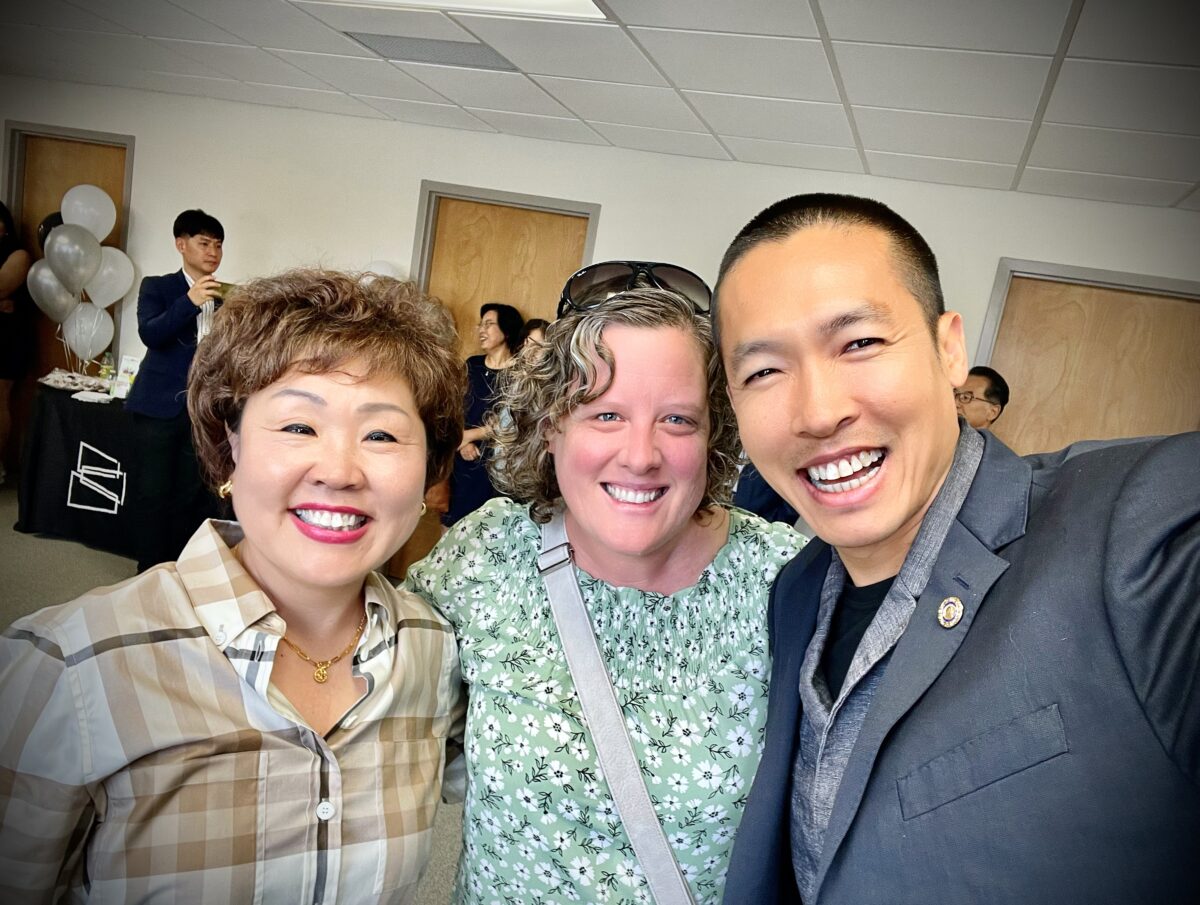
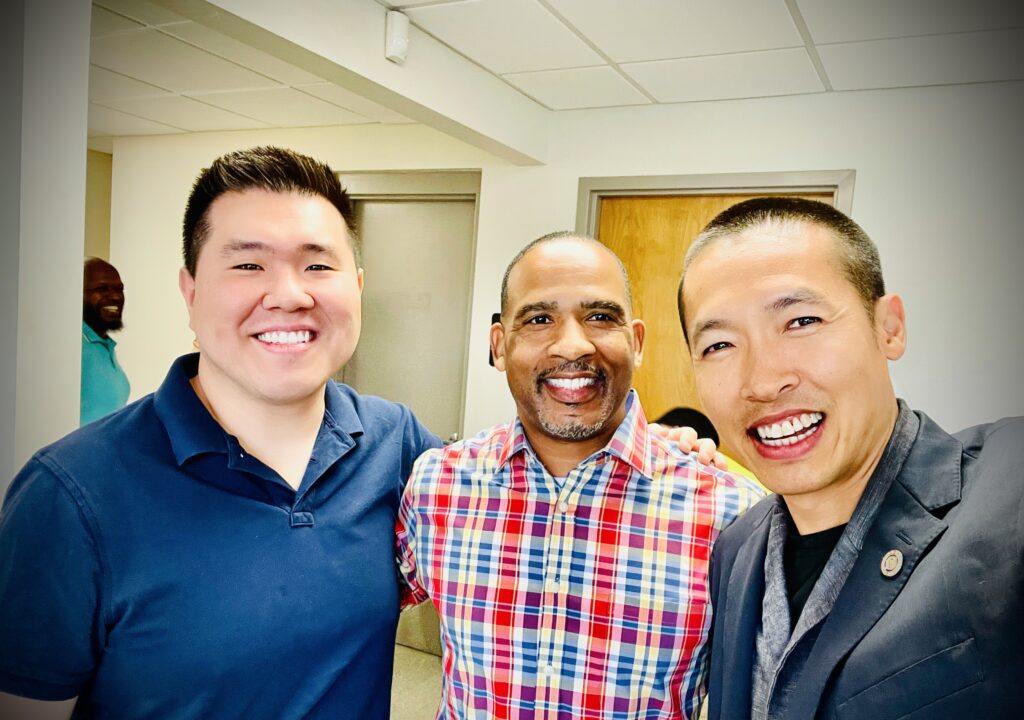
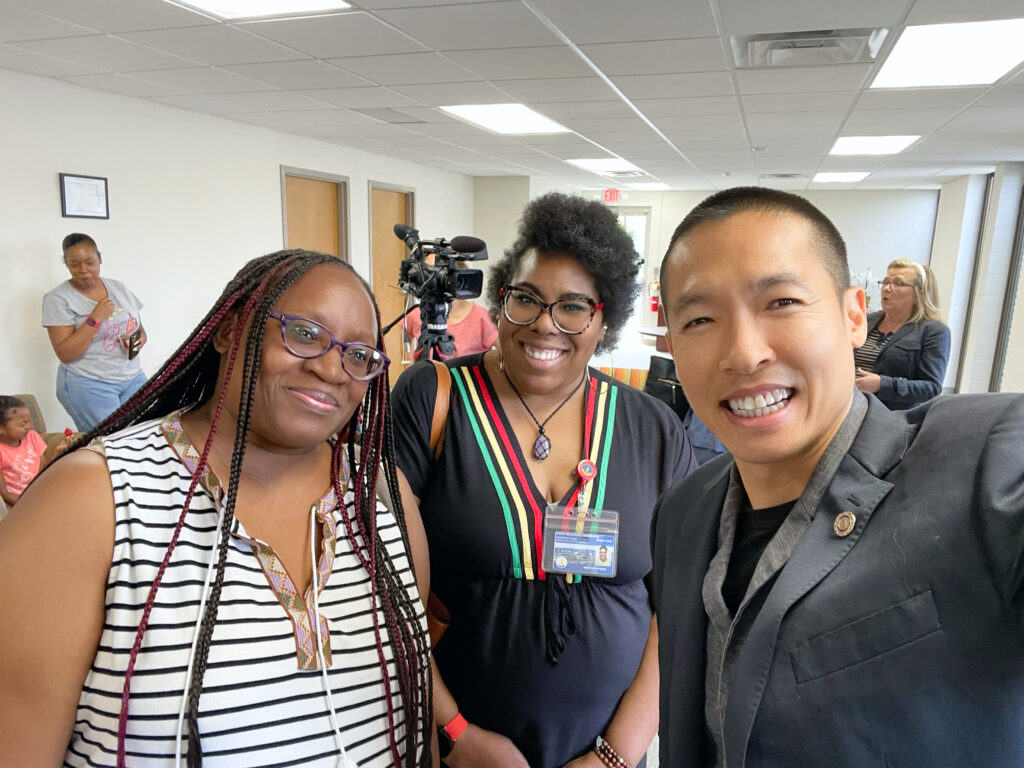
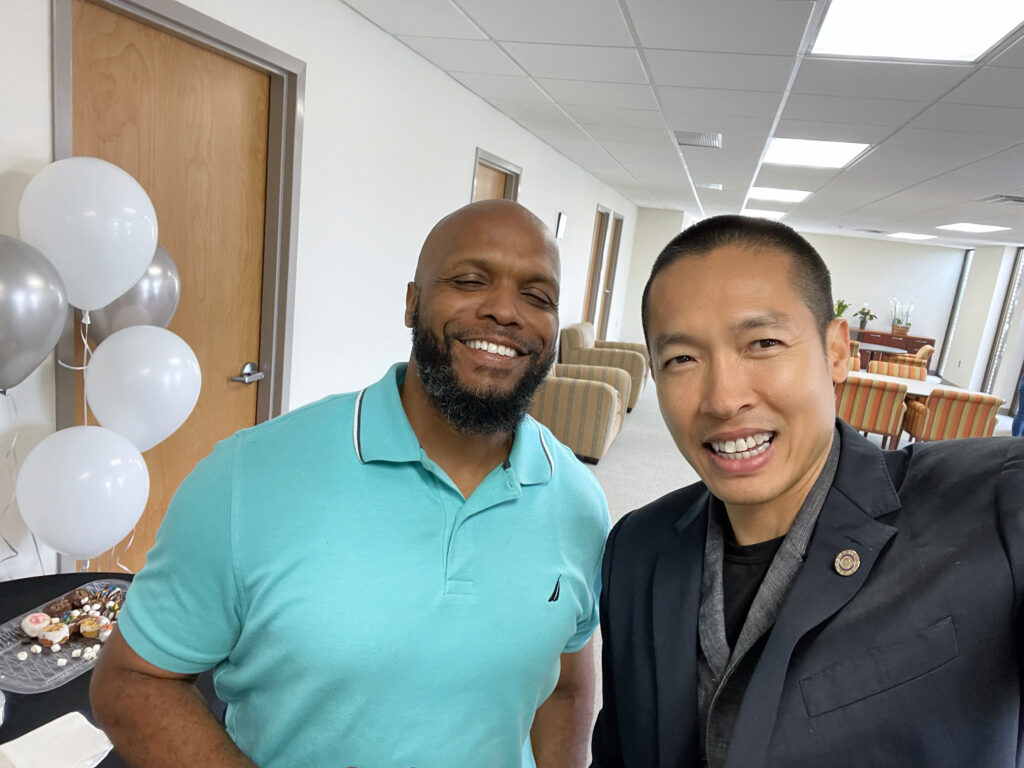
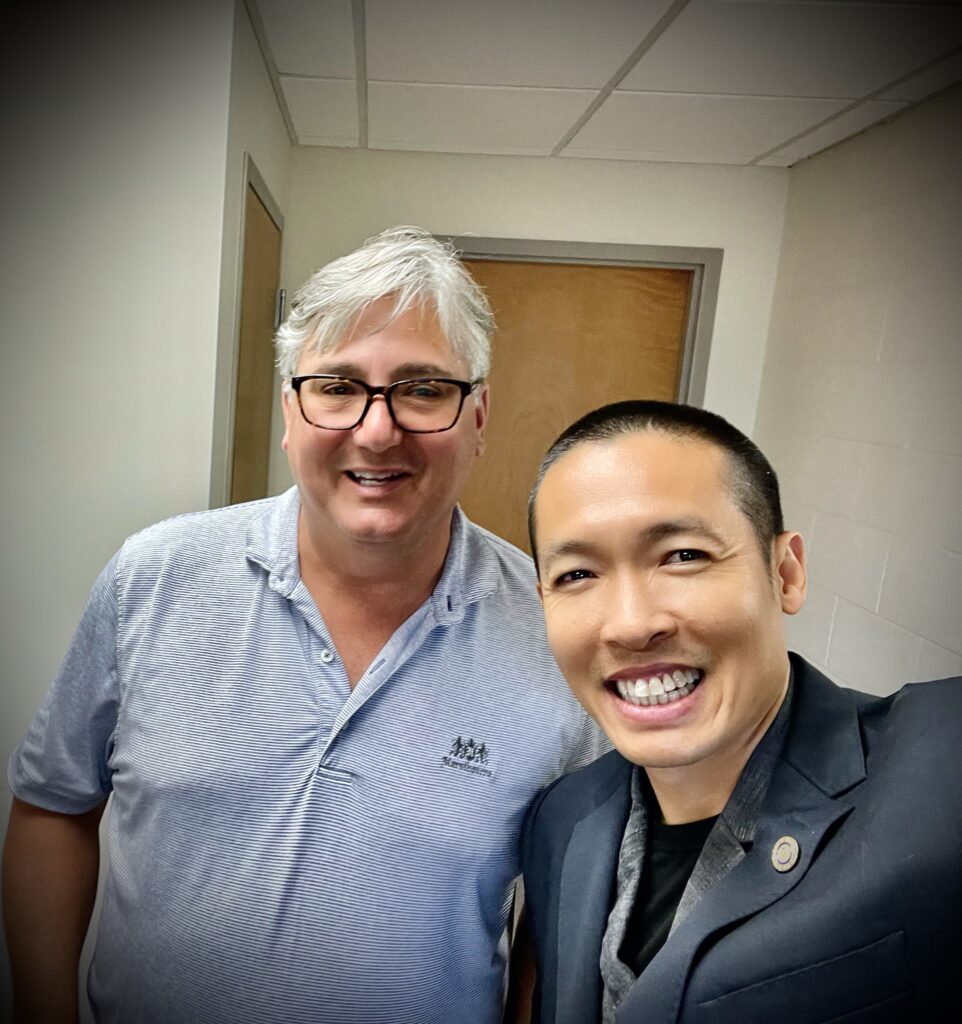
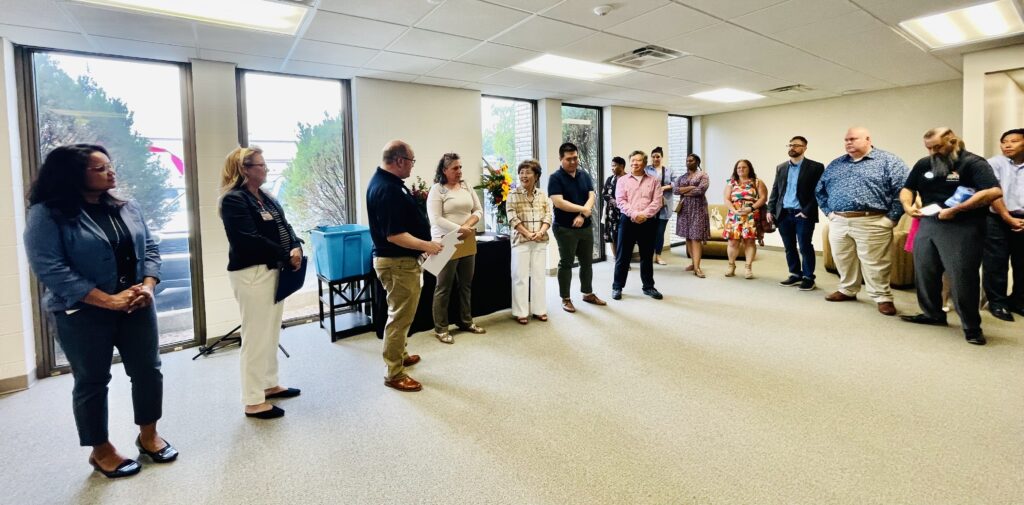
Louisville, KY – Today, a vibrant crowd gathered to witness and celebrate the ribbon-cutting ceremony of DDM Behavioral Health Services, a remarkable addition to the Louisville community. This center marks a milestone as it is the first Asian-owned Health Service center in Louisville, Kentucky. The event was a testament to unity, diversity, and the power of community as friends, family, business partners, and representatives from various organizations were in attendance.

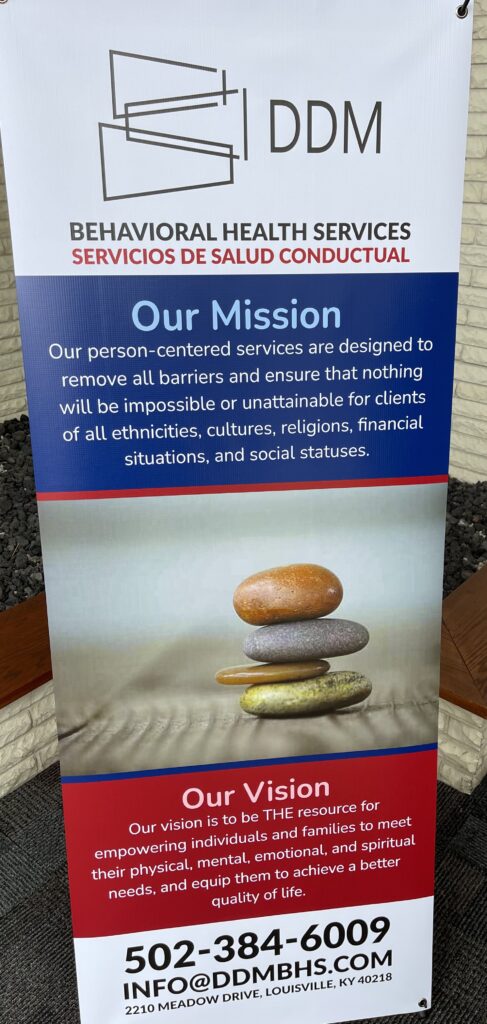
DDM Behavioral Health Services, founded by Patricia Kim, a Korean immigrant, is situated at 2210 Meadow Drive, Louisville, KY 40218. The center’s mission is to provide person-centered behavioral health services to clients from all backgrounds, ensuring that they have access to the resources and support needed to improve their quality of life.

The ribbon-cutting event was graciously hosted by DDM Behavioral Health Services and featured a prestigious lineup of attendees. Among them was Di Tran from Viet Bao Louisville and the author of “Drop the Me and focus on the others,” who spoke highly of Patricia Kim. He described her as a highly loving and trustworthy businesswoman whose heart is evident in all her endeavors.

Additionally, representatives from the Louisville Metro Office of Immigrant Affairs, Louisville Metro Economic Development, the Korean Chamber of Commerce, and a special mention to the Chamber of St. Matthew, which conducted the ribbon-cutting, were present. The event also drew media attention with Louisville Metro TV covering the joyous occasion.

The crowd was abuzz with excitement as the ceremony unfolded. It was not just an inauguration of a health service center but a celebration of diversity, perseverance, and community. The attendees shared Di Tran’s sentiment, as they all held Patricia in high regard and congratulated her and her family.

As a serial entrepreneur, Patricia Kim’s success in establishing multiple small businesses is commendable. However, DDM Behavioral Health Services holds a special place, given its focus on serving the community’s mental and emotional well-being.

The event concluded with smiles, applause, and a shared sense of accomplishment. The opening of DDM Behavioral Health Services is not just a win for the Asian community but for Louisville as a whole. Through her dedication, Patricia Kim has exemplified that with love, passion, and hard work, it is possible to make a positive impact in the community.

DDM Behavioral Health Services is now open and ready to serve the community.

For more information, please contact DDM Behavioral Health Services at 502-384-6009.

Categories
Community Drop the FEAR and Focus on the FAITH Drop the ME and focus on the OTHERS Early Childhood Education Health Immigration Information Technology Leadership Development Self-Improve Small Businesses Workforce Development

Finding Fulfillment Through Action: The True Measure of a Life Well-Lived

We live in a world where material wealth, social status, and professional achievements are often considered as the ultimate measures of success. However, as one nears the end of life, these accomplishments may seem less significant. The true measure of a life well-lived becomes evident through the actions taken, the values upheld, and the contributions made to the lives of others and the community. This article explores the importance of these aspects in defining our legacy and finding fulfillment in life.

The Human Quest for Meaning

According to renowned psychiatrist Viktor Frankl, author of the seminal work “Man’s Search for Meaning,” humans have an innate drive to find purpose and meaning in their lives. Frankl, who was a Holocaust survivor, observed that those who could find a sense of purpose amidst the harshest of conditions were more likely to survive and find fulfillment. He argued that fulfillment comes not from possessions or knowledge, but through meaningful actions and relationships.

Beyond Possessions and Knowledge: A Focus on Actions

Bronnie Ware, an Australian nurse who spent several years caring for patients in the last 12 weeks of their lives, recorded the most common regrets of the dying in her book “The Top Five Regrets of the Dying.” One of the prevalent themes is the realization that happiness is a choice, and it’s not about material wealth. People wished they had had the courage to live a life true to themselves and had let themselves be happier. It’s not what we have or know, but what we do with what we have that truly counts.

Professor Clayton M. Christensen of Harvard Business School explored this concept in his book “How Will You Measure Your Life?”. Christensen emphasizes that focusing on what we can give rather than what we can get is critical in creating a meaningful life. He advocates for a life that reflects one’s core values and leads to the enriching of the lives of others.

The Lasting Value of Contributions

The impact that one’s actions and creations can have on the community and individuals is immeasurable. When you focus on creating value through service, you leave behind a legacy that will continue to benefit society long after you are gone.

In his essay “The Servant as Leader,” Robert K. Greenleaf discusses the servant leadership model. According to him, a true leader primarily serves, focusing on the growth and well-being of communities and the people within them. He believed that the essence of leadership is in serving others and making a positive difference in their lives.

Creating a Culture of Value Creation

By understanding the importance of action and value creation, individuals can work to cultivate communities that prioritize these aspects. Psychologist Mihaly Csikszentmihalyi in his book “Flow: The Psychology of Optimal Experience” explains that when individuals engage in activities that align with their values and contribute to something greater than themselves, they experience flow – a state of deep engagement and fulfillment.

Conclusion

As one reflects on their life in its final moments, the legacy left behind is not defined by material possessions, status, or knowledge, but by the actions taken and the values lived by. Through service, contribution, and creation, one can find fulfillment and ensure that their life’s work continues to enrich the lives of others and the community for generations to come. Reflecting on the works of Viktor Frankl, Bronnie Ware, Clayton M. Christensen, Robert K. Greenleaf, and Mihaly Csikszentmihalyi, it becomes evident that the true measure of a life well-lived is deeply intertwined with action, service, and the creation of lasting value.

Categories
Community Drop the FEAR and Focus on the FAITH Drop the ME and focus on the OTHERS Immigration Leadership Development Self-Improve Small Businesses Workforce Development

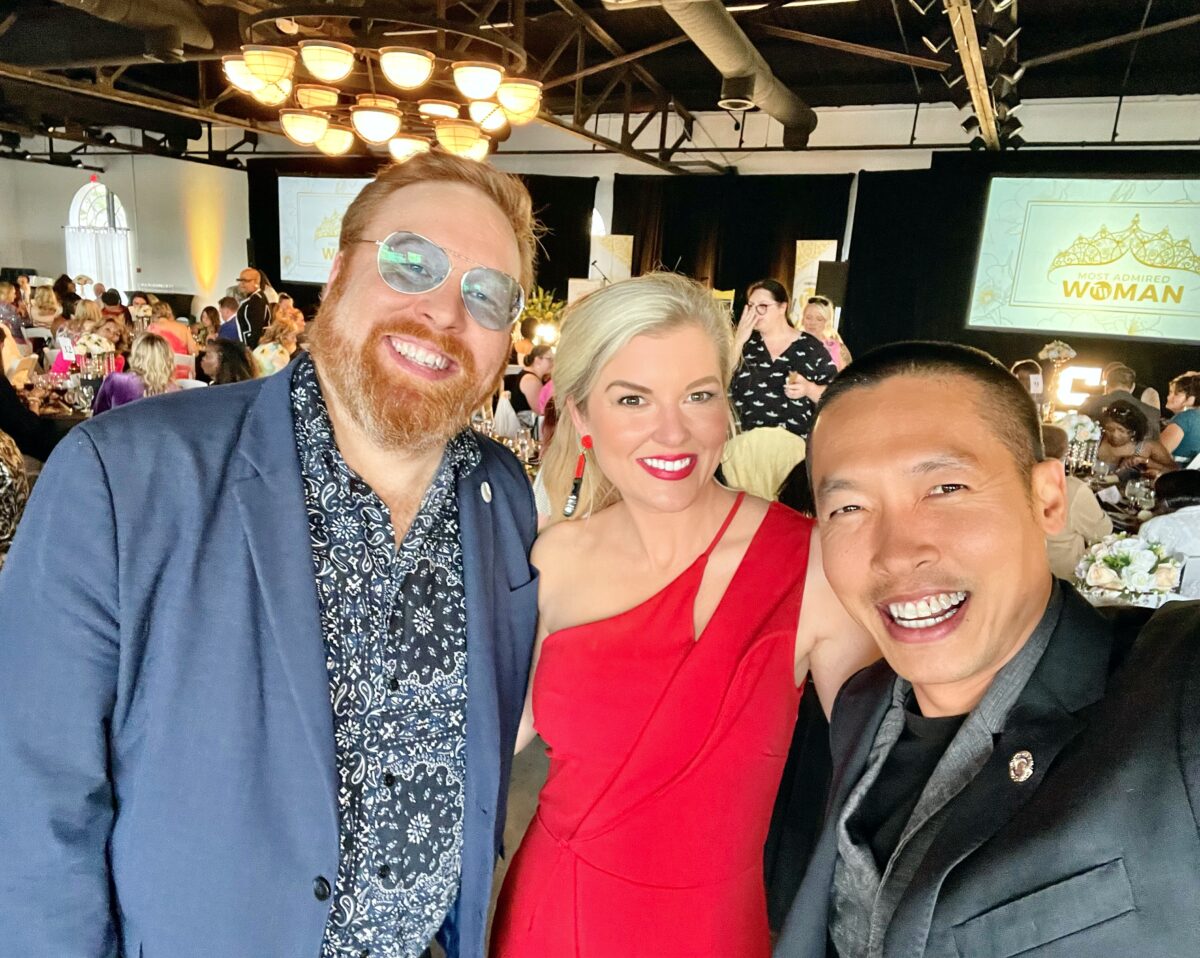
Di Tran: A Night of Reflection and Inspiration at the Most Admired Woman Awards 2023

Local entrepreneur and author Di Tran attends the prestigious Most Admired Woman event and shares his profound reflections.

LOUISVILLE, KY, June 13, 2023 — Tonight, Mellwood Art Center at 1860 Mellwood Ave was abuzz with excitement and inspiration as it hosted the Most Admired Woman Awards 2023. Among the attendees was Di Tran, the co-founder and CEO of MiaHire USA, Louisville Beauty Academy, Louisville Institute of Technology, and Di Tran Enterprise. An entrepreneur, software developer, IT consultant, and author, Di Tran was deeply touched and honored to be among such an inspiring group of people, especially the women who were being celebrated on the night.

Di Tran’s respect for women, particularly mothers, runs deep and is a recurring theme in his writings. His book, “Drop the ME and Focus on the OTHERs,” sheds light on this admiration and is an homage to his own mother, whom he considers his number one idol. In his book, he eloquently describes the sacrifices, strength, and dedication of mothers and women in general, who contribute so much to their families and communities.

As the night unfolded, Di Tran was taken by the stories of the women who were being honored. These incredible women, many of whom are mothers, juggle multiple responsibilities ranging from family care to running successful businesses, and community leadership. They handle familial obligations, domestic chores, business challenges, personal health, and still manage to lead and inspire. Di Tran observed that their energy seemed inexhaustible and their commitment unwavering.

One of the most striking takeaways from the evening for Di Tran was the role of spirituality in the lives of these amazing women. A recurring theme among the Most Admired Women of 2023 was their unwavering faith in God as a source of strength, guidance, and purpose. They credited their accomplishments to a higher power and showcased a deep sense of humility and gratitude.

Furthermore, the environment at the event was thick with mutual support. These women were not only successful in their own right but were also genuinely supportive of each other’s achievements. They embodied a mindset of rising beyond oneself for the betterment of the community and demonstrated that a “glass has to be full to be shared.”

Di Tran, already an advocate for selflessness and community, found his beliefs resonating strongly with the messages of the night. He left the Mellwood Art Center not only inspired but also reaffirmed in his commitment to focusing on others and contributing positively to society.

The Most Admired Woman Awards 2023 will remain a night of reflection and inspiration for Di Tran and all who were privileged to attend. It highlighted the incredible capacity of women, particularly mothers, to serve as the bedrock of families and communities, and it showcased the potent combination of faith, mutual support, and selfless service as a blueprint for a better world.

Categories
Community Drop the FEAR and Focus on the FAITH Drop the ME and focus on the OTHERS Immigration Information Technology Leadership Development Self-Improve Small Businesses Workforce Development

Immigrant entrepreneur Di Tran’s Triumvirate: Louisville Beauty Academy, Louisville Institute of Technology, and MiaHire USA

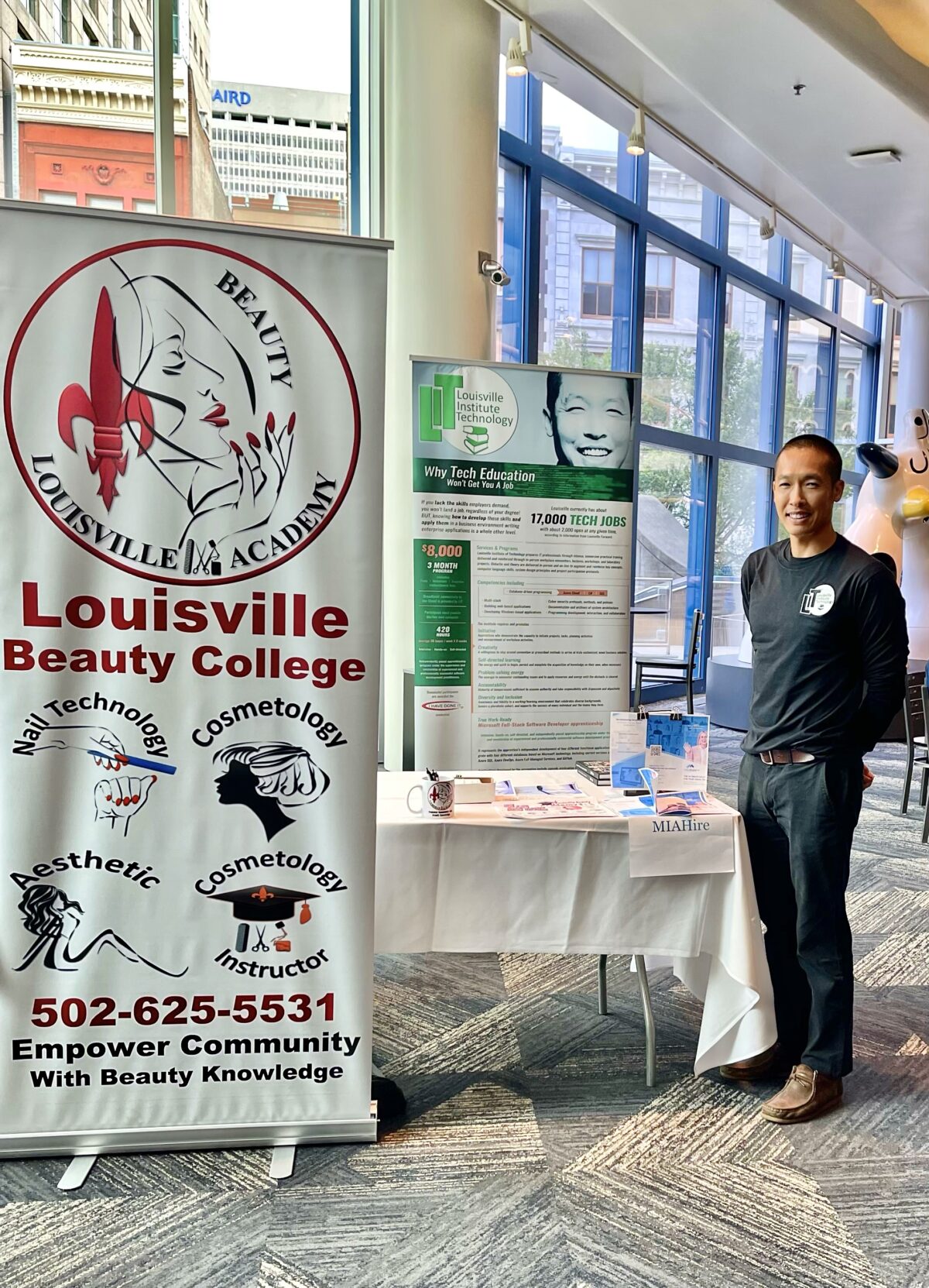
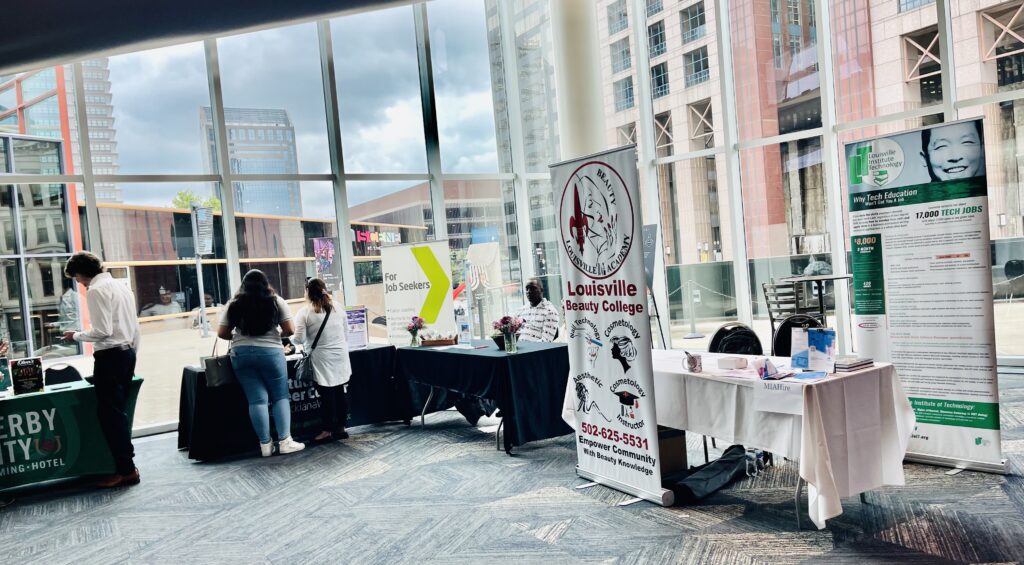
LOUISVILLE, KY – Amidst the buzz of the recent job fair hosted by Kentucky Performing Arts in downtown Louisville, a shining example of immigrant success and contribution to the local economy and talent pool stood out – Di Tran.

Originating from Vietnam, Di Tran has become an entrepreneurial powerhouse in Louisville. His dedication to education and talent development is evident through his ownership and operation of three influential entities – the Louisville Beauty Academy, Louisville Institute Technology, and MiaHire USA.

Louisville Beauty Academy

Founded by Di Tran, Louisville Beauty Academy has become a cornerstone for aspiring beauty professionals in Kentucky. The academy offers state-licensed programs in cosmetology, esthetics, nail technology, blow-drying, eyelash extensions, and beauty instruction. With a track record of graduating over 1,000 students, Louisville Beauty Academy is not just shaping careers but also adding qualified professionals to the local economy. The academy’s graduates are known for their high levels of competence and professionalism, often contributing to the local beauty industry.

Louisville Institute of Technology

Seeing the need for quality IT education, Di Tran launched the Louisville Institute of Technology. The institute offers a three-month true work-ready apprenticeship and a two-year IT associate degree, arming students with the skills necessary to thrive in the ever-evolving technological landscape. By focusing on practical training and hands-on experience, the institute ensures that its graduates are not only academically qualified but also ready to take on real-world challenges.

MiaHire USA

To further streamline the hiring process and provide tools for training new talent, Di Tran also created MiaHire USA. This SaaS virtual hiring and interview platform is designed for employers of all sizes and helps to increase the efficiency of the hiring process by an impressive 85%. It not only facilitates seamless recruitment but also provides tools for training new talent, making it an invaluable resource for both employers and job seekers.

Appreciation and Participation in the Talent and Job Fair

Di Tran expressed his gratitude for being part of the recent talent and job fair hosted by Kentucky Performing Arts. His participation in this event underlined his commitment to nurturing talent and contributing to the revitalization of Louisville’s downtown area. Through his endeavors, Tran embodies the entrepreneurial spirit and demonstrates the profound impact that dedicated individuals can have on the local community and economy.

By building bridges between education, talent development, and employment, Di Tran’s contributions stand as a testament to the endless possibilities that can be achieved through determination, innovation, and a genuine passion for community development.

Di Tran’s story is an inspiration to both immigrants and native citizens alike, exemplifying the essence of the American dream through hard work, ingenuity, and community engagement.

Categories
Community Drop the FEAR and Focus on the FAITH Drop the ME and focus on the OTHERS Health Immigration Information Technology Leadership Development Self-Improve Workforce Development

The Power of Belief: Unraveling the Secret of Skill Mastery through Routine Practice

Introduction:

As the adage goes, “Practice makes perfect.” However, achieving true mastery in any field requires more than just endless repetition. The cornerstone of excellence, often overlooked, is a deep-rooted belief in the significance and value of what you are doing. This article delves into the intricate relationship between routine practice and the power of belief, drawing references from various fields.

The Underlying Mechanics of Mastery:

  1. The Psychological Impetus: When you believe that what you are doing is the right thing, it changes the very fabric of your psychological makeup. Carol Dweck’s research on the “growth mindset” illustrates how belief can transform one’s approach to learning and improvement. Individuals who believe their abilities can be developed through dedication are more likely to embrace challenges, persevere through setbacks, and see effort as a pathway to mastery.
  2. Emotional Investment: Emotional investment is a potent driving force. Passion and interest in what you do help to maintain motivation, especially in the face of adversity. Psychologist Mihaly Csikszentmihalyi’s concept of ‘flow’ – a state of complete immersion and enjoyment in an activity – is much more achievable when one believes in the value of the activity.
  3. Cognitive Enhancement: Belief in what you are doing has the potential to enhance cognitive functions. Barbara Fredrickson’s Broaden-and-Build Theory proposes that positive emotions broaden the scope of attention and thought-action repertoires. When you believe in the importance of your work, you experience positive emotions, which in turn can lead to more innovative thinking and problem-solving.

Case Studies:

  1. The Michael Phelps Phenomenon: Olympic champion swimmer Michael Phelps exemplifies the combination of belief and routine practice. His coach, Bob Bowman, structured a training regimen that was physically grueling. However, Phelps’ unwavering belief in his potential and the importance of his goals allowed him to embrace the practice as not just a means to an end but as an integral part of his identity.
  2. The Mastery of Yo-Yo Ma: Celebrated cellist Yo-Yo Ma’s artistry is not just a result of thousands of hours of practice, but also a reflection of his deep belief in the power of music to communicate, heal, and bring people together. This conviction guided his practice routine and kept him driven throughout his career.
  3. The Wright Brothers’ Pursuit: Orville and Wilbur Wright, inventors of the airplane, faced countless failures. Nonetheless, their unwavering belief that human flight was possible fueled their persistence and willingness to learn from mistakes. Their practice routines and experiments were conducted with a sense of purpose that eventually led to the successful development of the first powered aircraft.

Conclusion:

It is indisputable that routine practice is critical for skill acquisition and refinement. However, the secret ingredient that catalyzes this process is the belief in the value and significance of what you are undertaking. The interplay between belief and practice opens up dimensions of perseverance, innovation, and emotional richness, which are indispensable in the journey towards mastery and success. Embracing this concept can be transformative, not only for individuals but also for societies as they cultivate the next generation of innovators, artists, and leaders.

Categories
Community Drop the FEAR and Focus on the FAITH Drop the ME and focus on the OTHERS Leadership Development Workforce Development

Discovering the Super Self: Happiness from Within

In the modern world inundated with images of perfect lives and superhero personas, it is easy to forget that real contentment and happiness lie within our own selves. The pursuit of happiness, a fundamental human endeavor, has often been linked to external factors. However, various studies and ancient philosophies suggest that true happiness springs from within and is a choice that individuals can make for themselves.

The External Illusion

Social media is rife with people idolizing celebrities, superheroes, and successful individuals. People tend to create mental benchmarks based on these external ideals. In comic books and movies, superheroes are often depicted as beings possessing incredible abilities, fighting evil, and saving the world. However, it is essential to recognize that these characters are fictional and that real-life heroes and role models have their own set of challenges and imperfections.

Moreover, social comparison theory posits that individuals determine their own social and personal worth based on how they stack up against others. This comparison often leads to a sense of inadequacy and unhappiness (Festinger, 1954).

The Internal Wellspring

Contrary to the external locus of control, ancient philosophies like Stoicism and Buddhism have long propagated the belief that happiness is an internal state. Stoicism, for example, teaches that contentment comes from understanding and accepting the things we cannot control and focusing on our responses which we can control (Epictetus, Enchiridion).

Similarly, Buddhism believes that true happiness comes from within, through the understanding and cultivation of one’s mind and emotions (The Dhammapada).

Happiness as a Choice

Research in positive psychology also suggests that happiness is, to a significant extent, a choice that individuals can make. According to Lyubomirsky, Sheldon, and Schkade (2005), 40% of a person’s capacity for happiness is within their power to change through personal choices, including cultivating gratitude, practicing kindness, and nurturing relationships.

Being Your Own Superhero

Rather than striving to be like others, it is more fulfilling to become the best version of oneself – a “super self”. To accomplish this, individuals must recognize and harness their unique talents, accept their imperfections, and make choices that align with their values and passions.

Self-determination theory, developed by Deci and Ryan, highlights the importance of autonomy, competence, and relatedness in achieving well-being and contentment. When individuals pursue goals that are deeply aligned with their values, they experience a higher sense of satisfaction and happiness (Deci & Ryan, 2000).

Conclusion

In the cacophony of modern life, it is easy to lose sight of where true happiness lies. While it is human nature to admire and idolize others, understanding that real contentment is an internal state and a choice can be liberating. By focusing on personal growth, accepting imperfections, and making choices that resonate with one’s values, individuals can unleash their “super self” and find enduring happiness from within.

References:

  1. Festinger, L. (1954). A theory of social comparison processes. Human Relations, 7, 117-140.
  2. Epictetus. (c. 135 A.D.). Enchiridion.
  3. Lyubomirsky, S., Sheldon, K. M., & Schkade, D. (2005). Pursuing happiness: The architecture of sustainable change. Review of General Psychology, 9(2), 111–131.
  4. The Dhammapada. (c. 3rd century BCE).
Categories
Community Corporation Drop the FEAR and Focus on the FAITH Drop the ME and focus on the OTHERS Early Childhood Education Leadership Development Self-Improve Small Businesses Workforce Development

The Power of Humility: Cultivating Authentic Humbleness through Our Social Circles

Introduction:

In Di Tran’s thought-provoking book “Drop the ME and focus on the OTHERs”, he recounts the pearls of wisdom imparted by his mother, who reminded him to “speak less, listen” and “be humble because you are not comparable to anything or know anything but self”. These words carry a profound message that speaks to the importance of humility in personal growth and relationships. When you surround yourself with individuals who encourage and maintain your humility, there is no longer a need to feign it. This article explores the significance of humility and the role of our social circles in fostering this virtue.

Understanding Humility:

Before delving into the role of social circles, it’s essential to understand humility itself. Contrary to what some may believe, humility is not about self-deprecation or weakness. It is an acknowledgment of our limitations, openness to new perspectives, and the ability to put others before oneself (Exline, & Hill, 2012). Humility allows individuals to be teachable, adaptable, and compassionate.

C.S. Lewis perfectly encapsulates this idea by stating, “Humility is not thinking less of yourself, it’s thinking of yourself less.”

The Role of Social Circles:

  1. Fostering Empathy and Compassion: When we surround ourselves with humble people, we are likely to cultivate empathy and compassion. Being with individuals who recognize the importance of placing others’ needs above their own, encourages us to do the same. This, in turn, creates a culture of mutual respect and understanding.
  2. Promoting Learning and Growth: A humble social circle often comprises individuals who are aware of their limitations and are open to learning. This fosters an environment where knowledge and experiences are shared without judgment, which is crucial for personal growth (Kruse, Chancellor, & Lyubomirsky, 2014).
  3. Keeping Ego in Check: It’s natural to feel pride in our achievements. However, having a group of humble individuals around us ensures that our achievements don’t inflate our egos. They keep us grounded and remind us of the bigger picture.
  4. Improving Relationships and Collaboration: Humility promotes effective collaboration as individuals are more likely to consider each other’s ideas and work synergistically. This is invaluable in both personal and professional relationships (Owens, Johnson, & Mitchell, 2013).

Reaping the Benefits:

As Di Tran’s mother wisely advised, speaking less and listening more allows one to absorb the richness of others’ experiences and perspectives. It’s through this quiet reflection and acknowledgment of our limitations that true humility is cultivated. Tran’s book encourages readers to realize that humility is not an inherent trait but a cultivated skill that can be nurtured through conscious effort and the right social environment.

In conclusion, humility is an invaluable trait that goes beyond mere modesty. It’s about recognizing and embracing our limitations while putting the needs of others ahead of our own. Surrounding ourselves with individuals who uphold these values not only fosters personal growth but also cultivates authentic humility, rendering any façade unnecessary.

References:

  • Exline, J.J., & Hill, P.C. (2012). Humility: A consistent and robust predictor of generosity. The Journal of Positive Psychology, 7(3), 208-218.
  • Kruse, E., Chancellor, J., & Lyubomirsky, S. (2014). An upward spiral between gratitude and humility. Social Psychological and Personality Science, 5(7), 805-814.
  • Owens, B.P., Johnson, M.D., & Mitchell, T.R. (2013). Expressed Humility in Organizations: Imp
Categories
Drop the FEAR and Focus on the FAITH Drop the ME and focus on the OTHERS Leadership Development Self-Improve Small Businesses Workforce Development

The Power of Action: Moving Beyond Knowing It All

Introduction: In our pursuit of knowledge and understanding, it is important to recognize that no one can possibly know it all. However, true growth and positive impact come from not only acquiring knowledge but also putting it into action. By acting upon what we know, we can create a better world for ourselves and those around us. In this article, we will explore the significance of action, the importance of constructive idea sharing, and the necessity of considering others’ perspectives, as emphasized in “Drop the ME and Focus on the OTHERs” by Di Tran.

  1. Action as a Catalyst for Change: “Drop the ME and Focus on the OTHERs” by Di Tran emphasizes that action is the driving force that transforms knowledge into tangible results. Without action, knowledge remains stagnant and fails to benefit anyone. As Mahatma Gandhi once said, “An ounce of practice is worth more than tons of preaching.” It is through action that we can make a real difference in our lives and the lives of others. By applying what we know, we can contribute to positive change and personal growth.
  2. Constructive Idea Sharing: While it is essential to share ideas, “Drop the ME and Focus on the OTHERs” highlights the importance of being constructive in our approach. Recognizing that everyone has limitations and may be at different stages of their journey, we should engage in idea sharing with empathy and openness. This aligns with the principles discussed in Brené Brown’s book, “Daring Greatly,” which emphasizes vulnerability and constructive communication as key elements in fostering meaningful connections and generating innovative ideas. By considering diverse perspectives, we can create an inclusive environment that promotes collaboration and growth.
  3. The Principle of Accountability: In “Drop the ME and Focus on the OTHERs,” Di Tran emphasizes the principle of accountability when engaging in conversations or expressing opinions. Accountability involves taking ownership of our words and actions, recognizing the impact they may have on others. This aligns with Simon Sinek’s book, “Leaders Eat Last,” which underscores the importance of leaders taking responsibility for the well-being of their teams and creating a safe space for open dialogue. Applying this principle to our everyday interactions can foster a more empathetic and productive environment.

Conclusion: In our journey towards personal and collective growth, it is vital to acknowledge that no one can know it all. However, the true measure of wisdom lies not in the accumulation of knowledge but in the application of that knowledge for the greater good. By embracing action, practicing constructive idea sharing, and being accountable for our words and actions, as highlighted in “Drop the ME and Focus on the OTHERs” by Di Tran, we can make a meaningful impact on ourselves and those around us. As we strive for a better future, let us remember the words of the philosopher Lao Tzu: “The journey of a thousand miles begins with a single step.”

References:

  1. Brown, B. (2012). Daring Greatly: How the Courage to Be Vulnerable Transforms the Way We Live, Love, Parent, and Lead. Avery.
  2. Gandhi, M. K. (2004). Gandhi: An Autobiography – The Story of My Experiments with Truth. Beacon Press.
  3. Sinek, S. (2017). Leaders Eat Last: Why Some Teams Pull Together and Others Don’t. Portfolio.
  4. Tran, D. (2021e). Drop the ME and Focus on the OTHERs. Self-publishedf.
Categories
Drop the FEAR and Focus on the FAITH Drop the ME and focus on the OTHERS Early Childhood Education Leadership Development Self-Improve Workforce Development

The Joy of Parenting: Embracing Faith Over Fear

Every once in a while, as a parent, you may catch yourself immersed in a pool of questions. Am I doing this right? Am I good enough? What if I fail my children? These are just a few among many doubts that may occasionally cloud your mind. Di Tran, renowned author of the compelling book, “Drop the ME and Focus on the OTHERs”, and the soon to be released, “Drop the FEAR and Focus on the FAITH”, offers some profound insights that shed light on the joys of parenting and the intrinsic beauty of this role.

Parenthood isn’t about being perfect; it’s about striving each day to be the best version of yourself for your children. It’s about fostering a nurturing environment that shapes your children into kind, smart, loving, capable, independent, creative individuals who understand the value of contributing to society.

As parents, we often invest the best of ourselves in our children. We offer them the best guidance we can, we instill them with the best values, and we hope for the best outcomes. We continually learn from the best sources and implement these lessons in our parenting, all with the goal of nurturing the best possible versions of our children.

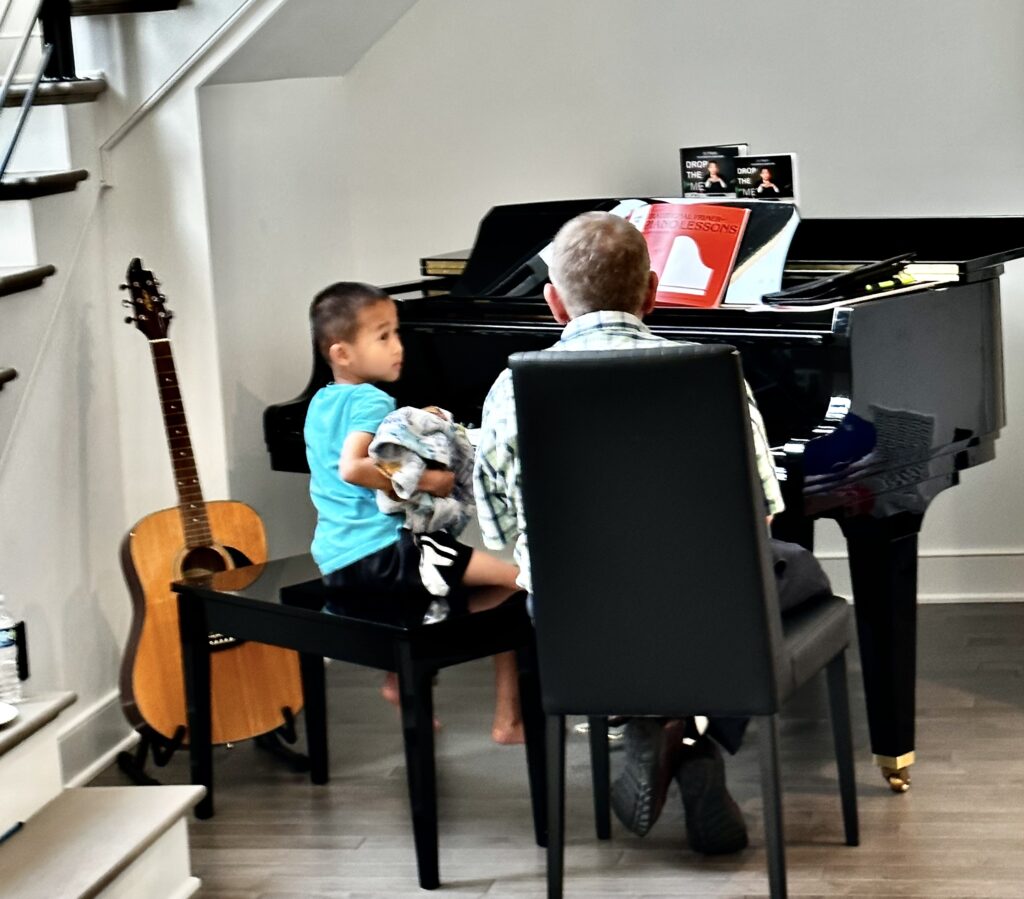
One of the most gratifying experiences in parenting comes from witnessing the tangible results of these efforts. A recent event in Di’s life perfectly illustrates this point. His three children recently had their first piano lesson with a gentleman who, despite being in his 60s, still actively plays piano at their local church. After their lesson at their own home, the children spontaneously showed their kindness and respect to the elderly man, making sure he had water to drink, chocolates to eat, and thanking him profusely – all without any parental prompting.

Observing such moments from behind the scenes, parents feel a sense of overwhelming pride and fulfillment. The fear of not being a good enough parent dissipates, replaced with a sense of profound satisfaction and bliss. This is one of the unspoken joys of parenting – witnessing your children reflect the values you’ve instilled in them, and to see them extending kindness and respect towards others.

But even in such moments of joy, there will be instances when fear and faith intersect. Parenthood is often a balance of these two – the fear of failure and the faith in one’s abilities as a parent. How does one choose between the two? Di’s advice is to simply act, do your best, and let faith guide you.

Faith is about believing that you’re doing your best, even when you stumble, and it’s about trusting that things will turn out alright in the end. Let your actions be driven by faith and not by fear. Leave the rest to the divine, or to the universe, or to whichever higher power you believe in.

The journey of parenting is as challenging as it is rewarding. It’s full of self-doubt, but also brimming with moments of joy, pride, and accomplishment. So drop the fear, focus on faith, and embrace the journey, for it is one of the most beautiful and fulfilling roles you will ever play.

Categories
Drop the FEAR and Focus on the FAITH Drop the ME and focus on the OTHERS Early Childhood Education Health Leadership Development Self-Improve Small Businesses Workforce Development

AI’s True Intelligence: Not in its Code, but in its User

In a world where technological advancement seems to race past our collective understanding, it is only natural that some may harbor reservations about artificial intelligence (AI). These fears have been dramatically depicted in dystopian movies and books, like ‘The Matrix’ and ‘I, Robot’, where AI entities evolve beyond human control, undermining society. Despite these misgivings, Di Tran, author of the soon-to-be-released book “Drop the FEAR and focus on the FAITH,” provides a fresh perspective.

In a recent interaction with his nine-year-old son, Jayden, Di Tran likened the intelligence of the latest AI, OpenAI’s GPT-4 model, to ten times that of a human. However, Jayden, with his childlike wisdom, retorted, “No, AI is not smart, the one who uses it is.” This simple yet profound response encapsulates the crux of the AI fear issue.

One could draw parallels between Jayden’s response and the central thesis of Di Tran’s book, “Drop the FEAR and focus on the FAITH.” Tran encourages readers to shift their focus from irrational fears, leveraging faith to embrace possibilities instead. Jayden’s assertion that AI’s intelligence depends on its user mirrors this theme, reminding us that AI is a tool to be used and not an autonomous entity to be feared.

AI, despite its potential, is intrinsically neutral—it is neither good nor bad. Its utility and impact are determined by the person using it. This is akin to fire, a force of nature that can either cook our food or burn our house down, depending on its use.

Referencing Di Tran’s philosophy, it’s evident that fears regarding AI arise from a lack of understanding and control, similar to fear of the unknown. As humans, we are naturally inclined to fear what we don’t understand. However, this fear may prevent us from fully harnessing the potential of AI, limiting our growth.

Just as Di Tran advises to “drop the FEAR and focus on the FAITH” in his upcoming book, perhaps we should approach AI with an attitude of faith rather than fear. This doesn’t mean blind faith, but rather faith rooted in understanding, critical thinking, and constructive application of AI.

In essence, we should have faith in our ability to utilize AI responsibly and effectively. We need to focus on educating ourselves about AI, understanding its capabilities, limitations, and ethical implications, thereby facilitating its constructive use and mitigating potential risks.

Jayden’s simple but profound statement encapsulates this idea perfectly. Rather than ascribing intelligence to AI, we should acknowledge that it is our application of AI that truly matters.

As we move further into an era defined by rapid technological advancement, we should heed Di Tran’s advice and Jayden’s wisdom—focus less on fear, more on understanding, and have faith in our collective ability to use AI as a tool for progress. After all, AI’s true intelligence lies in the hands of its user.

Translate »