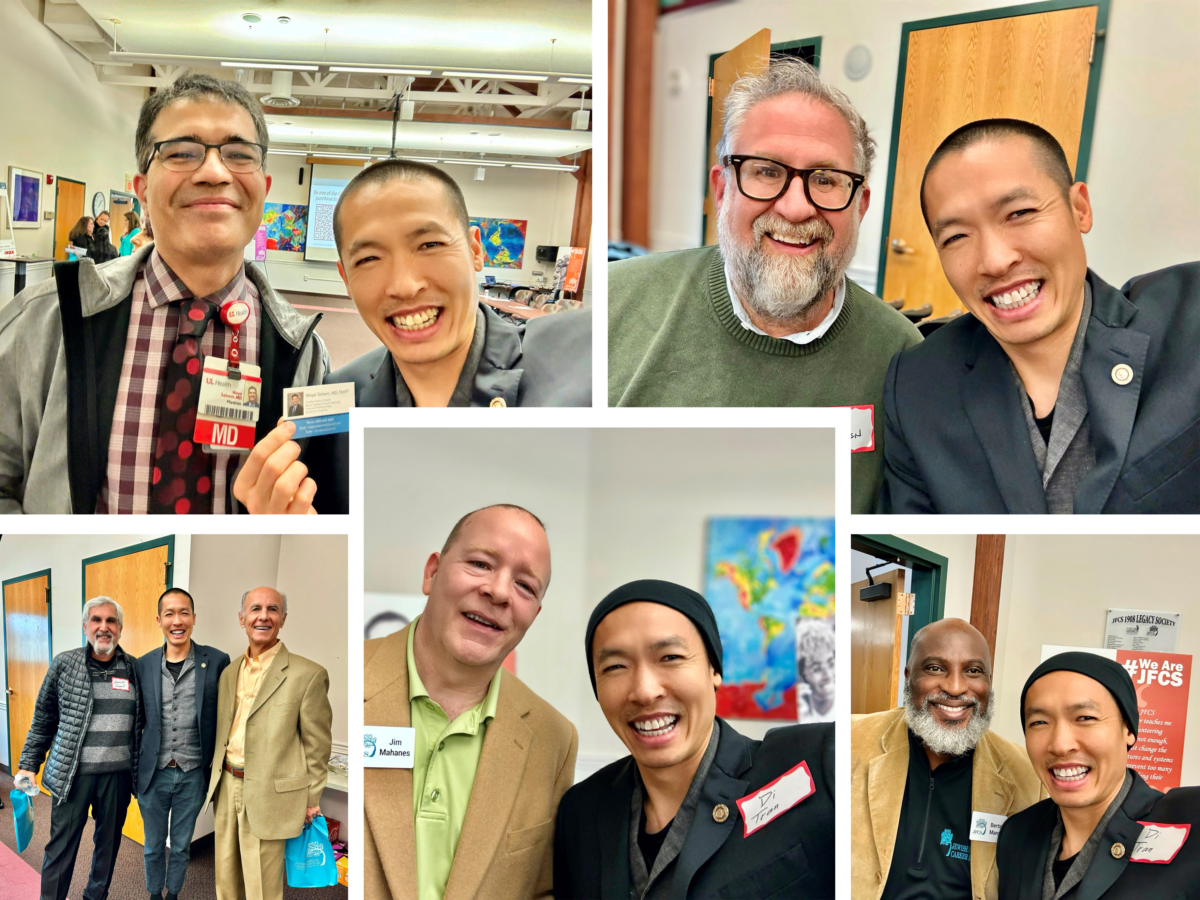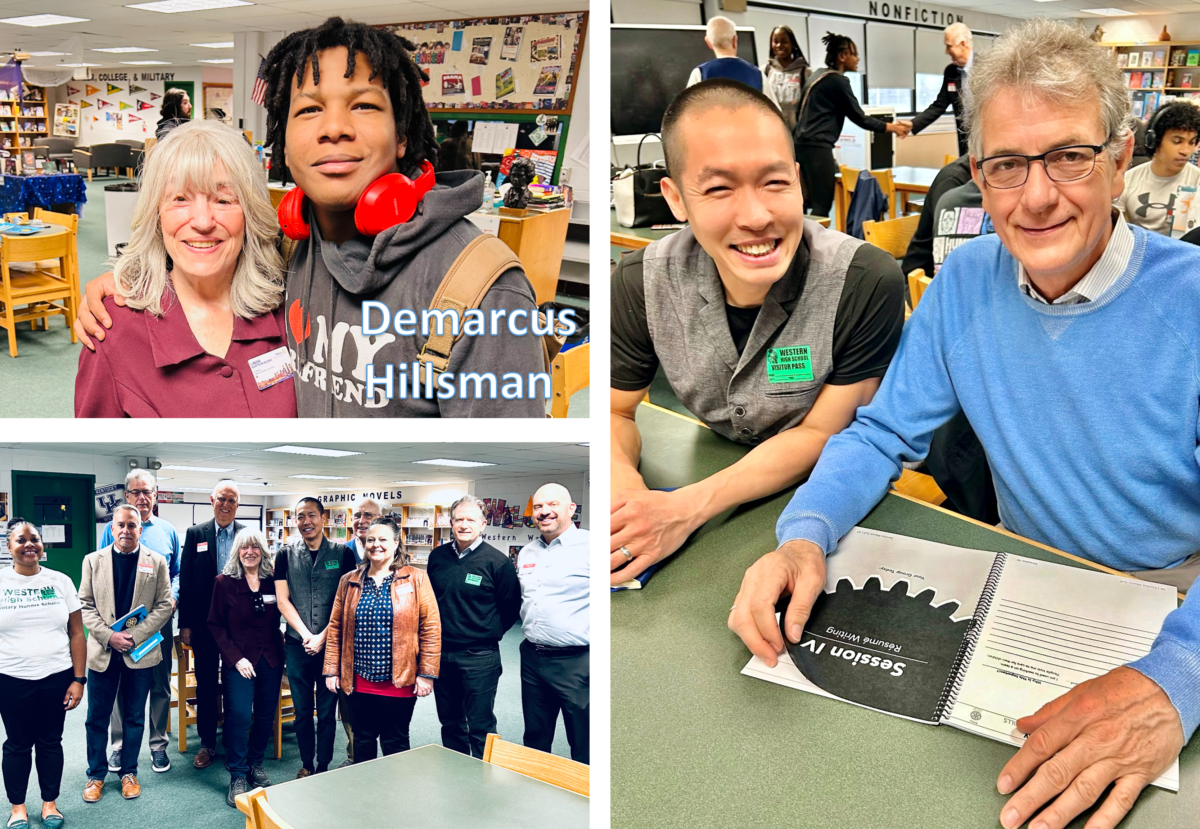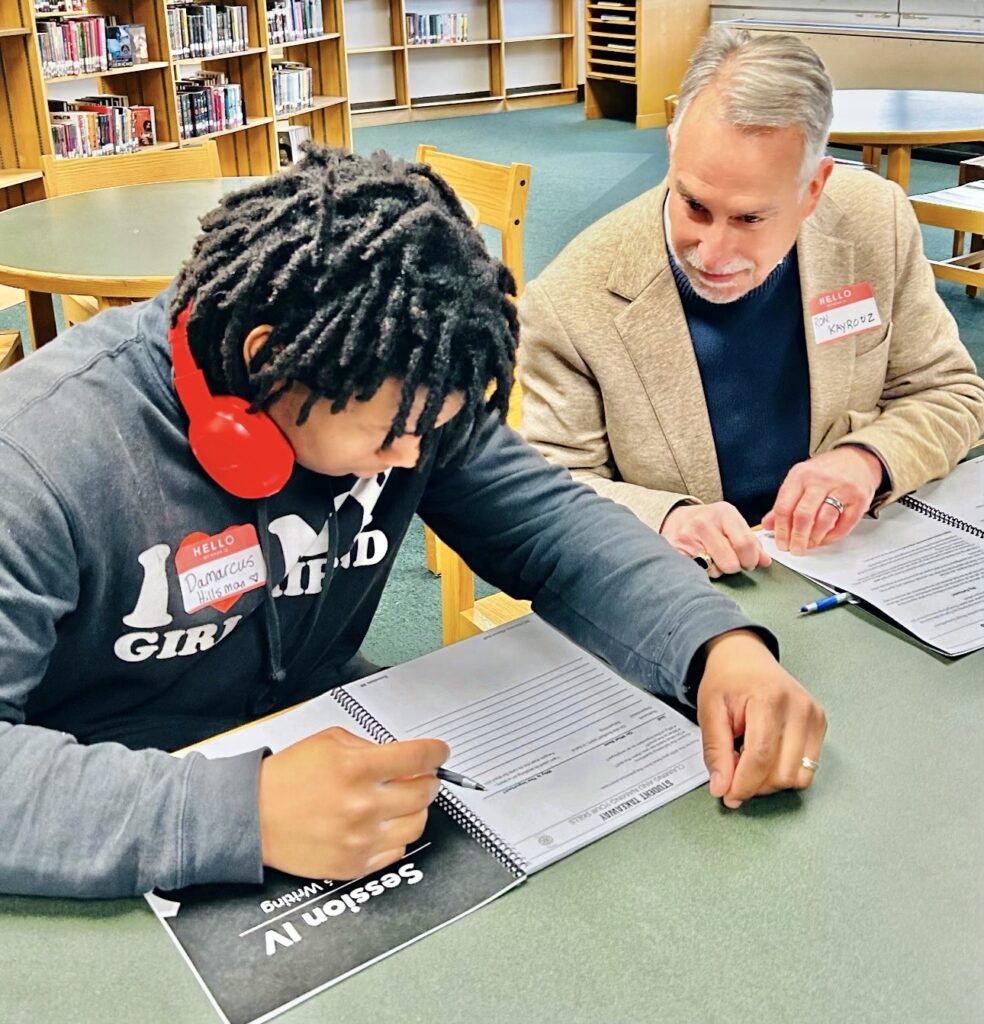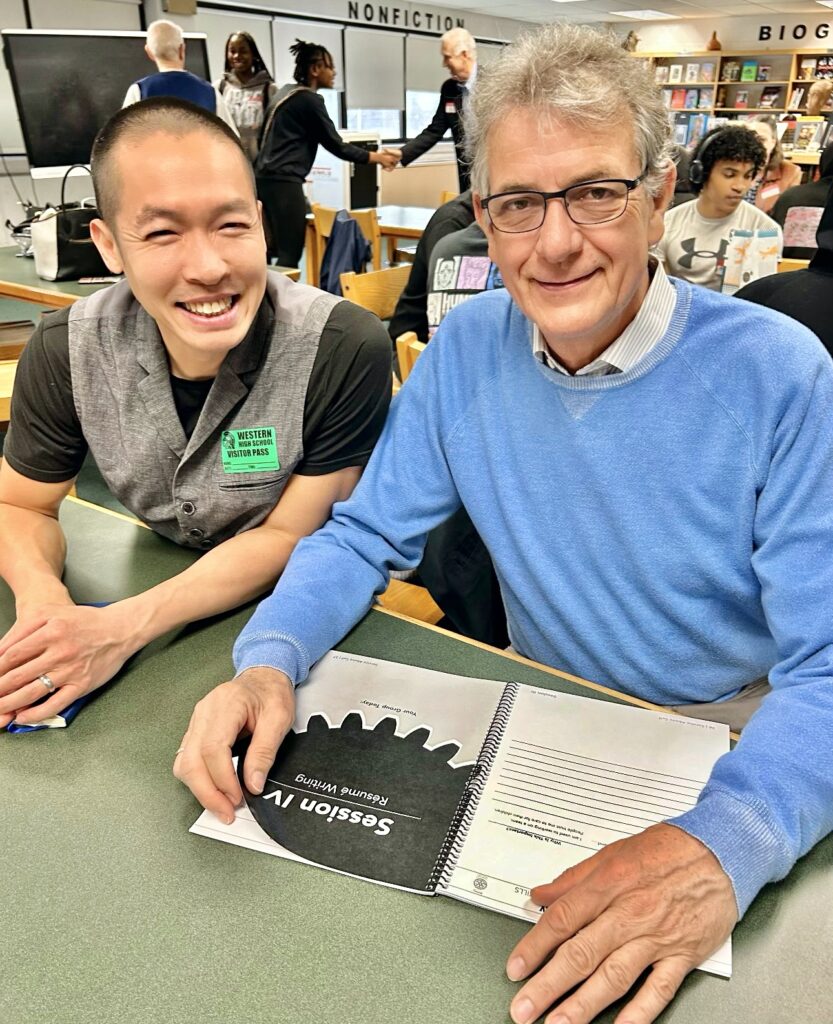
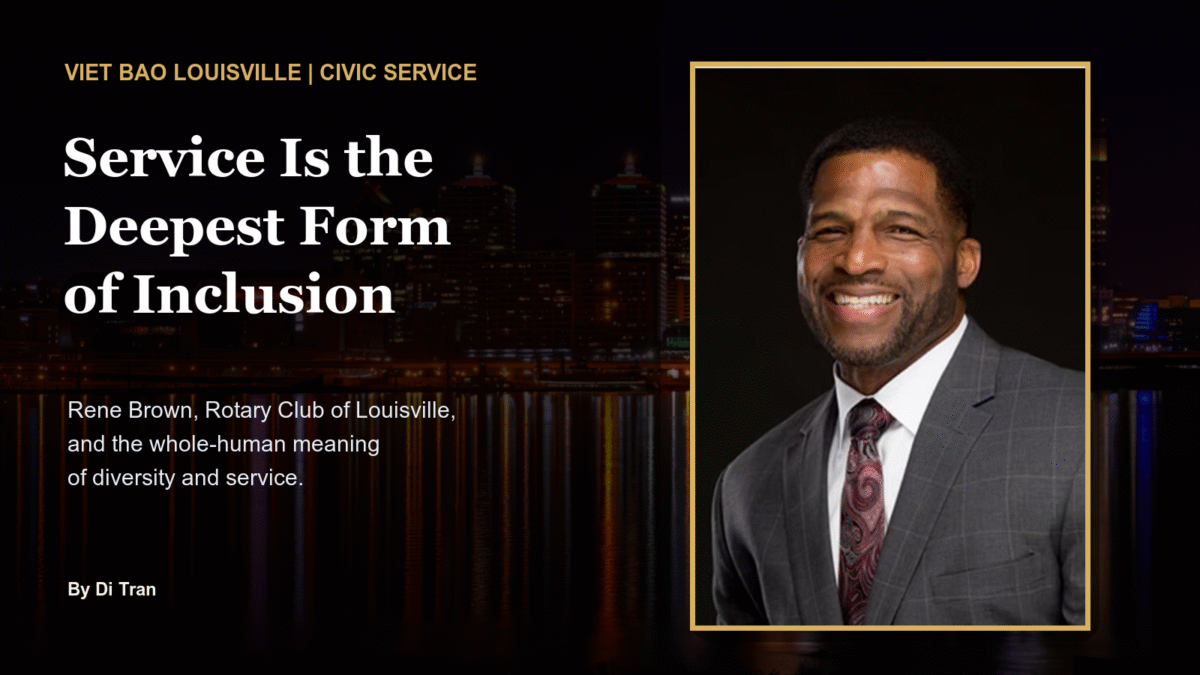
This article is a Di Tran civic reflection for Viet Bao Louisville. It honors public service, Rotary values, and the broader human meaning of diversity. It is not an official statement of the Rotary Club of Louisville unless separately approved by Rotary leadership.
There are moments in civic life when a meeting becomes more than a meeting.
It becomes a mirror.
It shows a community what it already has, what it still needs, and what kind of leadership can help it move forward with dignity. The recent Diversity, Equity, and Inclusion conversation within the Rotary Club of Louisville carried that kind of energy. It was not merely a committee gathering. It was a reminder that inclusion is not a slogan, a narrow category, or a political phrase. Inclusion is the disciplined civic practice of seeing the whole human being.
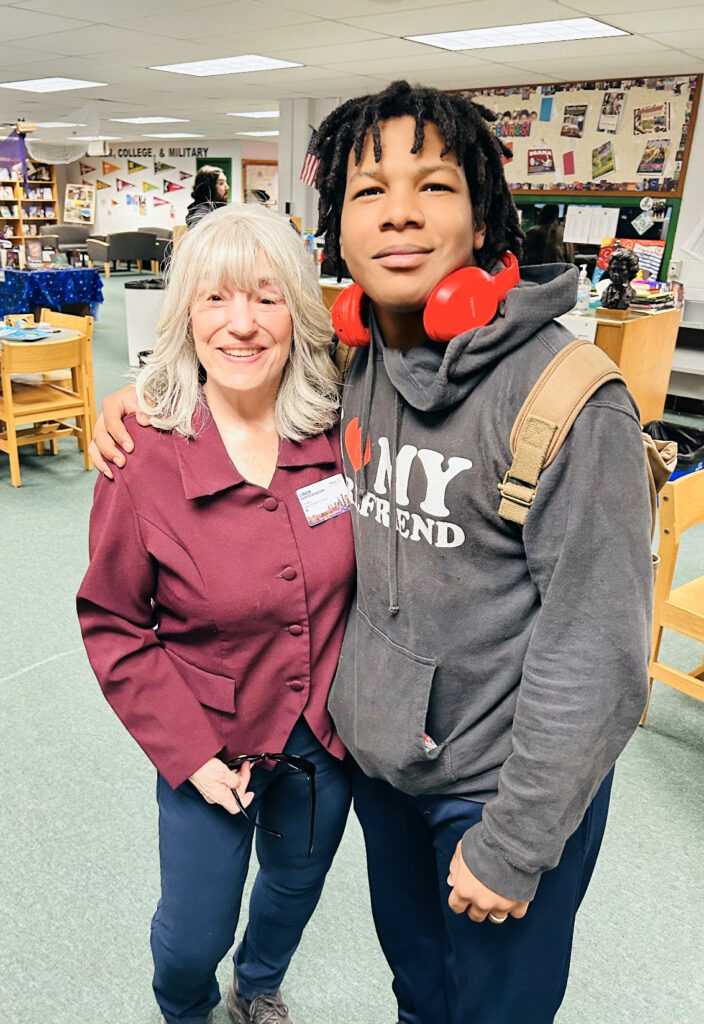
That is why the story of Rene Brown matters.
A Life That Refuses One Category
Rene Brown’s background is not one-dimensional. It is not reducible to a title, a profession, a race, a resume line, or a committee role. His public life reflects service across multiple domains: military service, health care, ministry, education, business, community development, and international human concern.
Louisville Metro’s public profile identifies Rene Brown as the founder and senior pastor of Living Faith Christian Ministries and CEO of RCB Health Corporation. The same public profile describes his service in the U.S. Army and lists a Bronze Star Medal for valor. That kind of record is not incidental to a Rotary conversation. It belongs at the center of it.
For Rotary, service is not decoration. Rotary International describes its mission as providing service to others, promoting integrity, and advancing world understanding, goodwill, and peace through the fellowship of business, professional, and community leaders. The Rotary Club of Louisville, with its long civic history since 1912 and its present scale as one of the largest Rotary clubs in the world, has a special responsibility to make that mission visible in the life of Louisville.
Diversity Is Bigger Than One Word
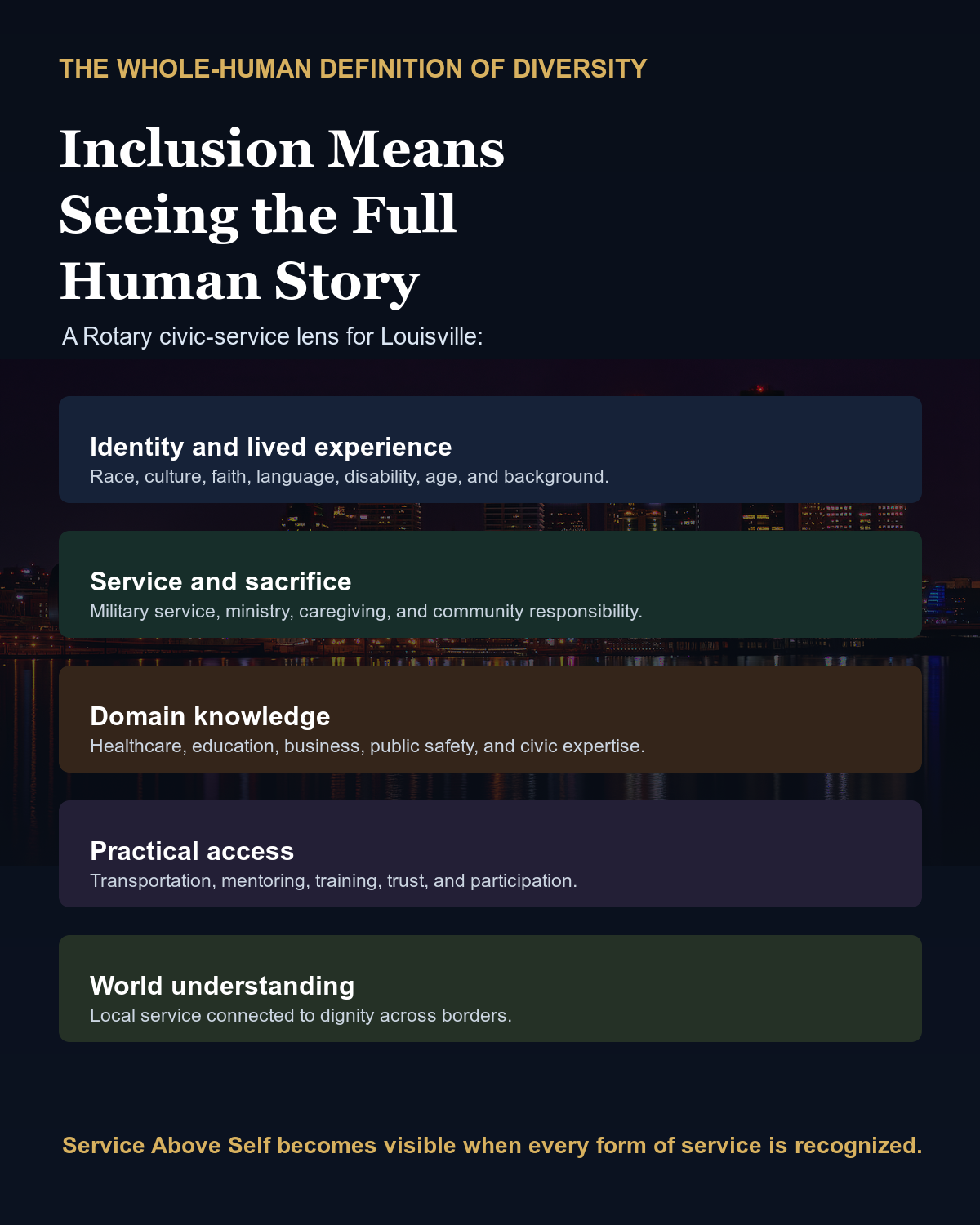
At its best, diversity is not a narrow exercise in counting demographic categories. Race matters. Culture matters. Ethnicity matters. Gender, faith, language, disability, age, socioeconomic condition, and lived experience matter. But diversity also includes domain knowledge. It includes professional discipline. It includes military service. It includes caregiving. It includes ministry. It includes entrepreneurship. It includes international exposure. It includes the wisdom that comes from struggle, responsibility, and years of showing up for people when the work is hard.
That broader understanding is deeply aligned with Rotary’s own statement on diversity, equity, and inclusion, which recognizes diversity across backgrounds, identities, ideas, values, and beliefs. In that sense, Rene Brown’s story offers a powerful local example: inclusion becomes strongest when a community honors not only who a person is, but also what that person has carried, built, studied, served, and sacrificed.
Inclusion Must Become Practical
Rene’s work through Living Faith and related community development efforts points toward a practical, grounded form of inclusion. Living Faith Community Development Corporation publicly describes work connected to families, youth, workforce support, tutoring, resume help, meeting space, and community resources. This is the language of everyday human need. It is not abstract. It is transportation, education, mentoring, employment preparation, space, and trust.
That matters because the most meaningful diversity work is not performed only in speeches. It is proven in systems that help people participate.
- A student who lacks transportation is not fully included.
- A veteran whose service is honored but whose transition needs are ignored is not fully included.
- A young person with talent but no mentor is not fully included.
- A family with hope but no access to training, technology, or trusted guidance is not fully included.
- A professional with deep experience but no invitation into civic leadership is not fully included.
This is why the Rotary Club of Louisville has such a meaningful opportunity. The club’s civic scale, history, and membership base give it the ability to define inclusion in a way that is worthy of Louisville: practical, intergenerational, cross-cultural, professionally serious, and rooted in service.
A Louisville Room Big Enough for the Whole Story
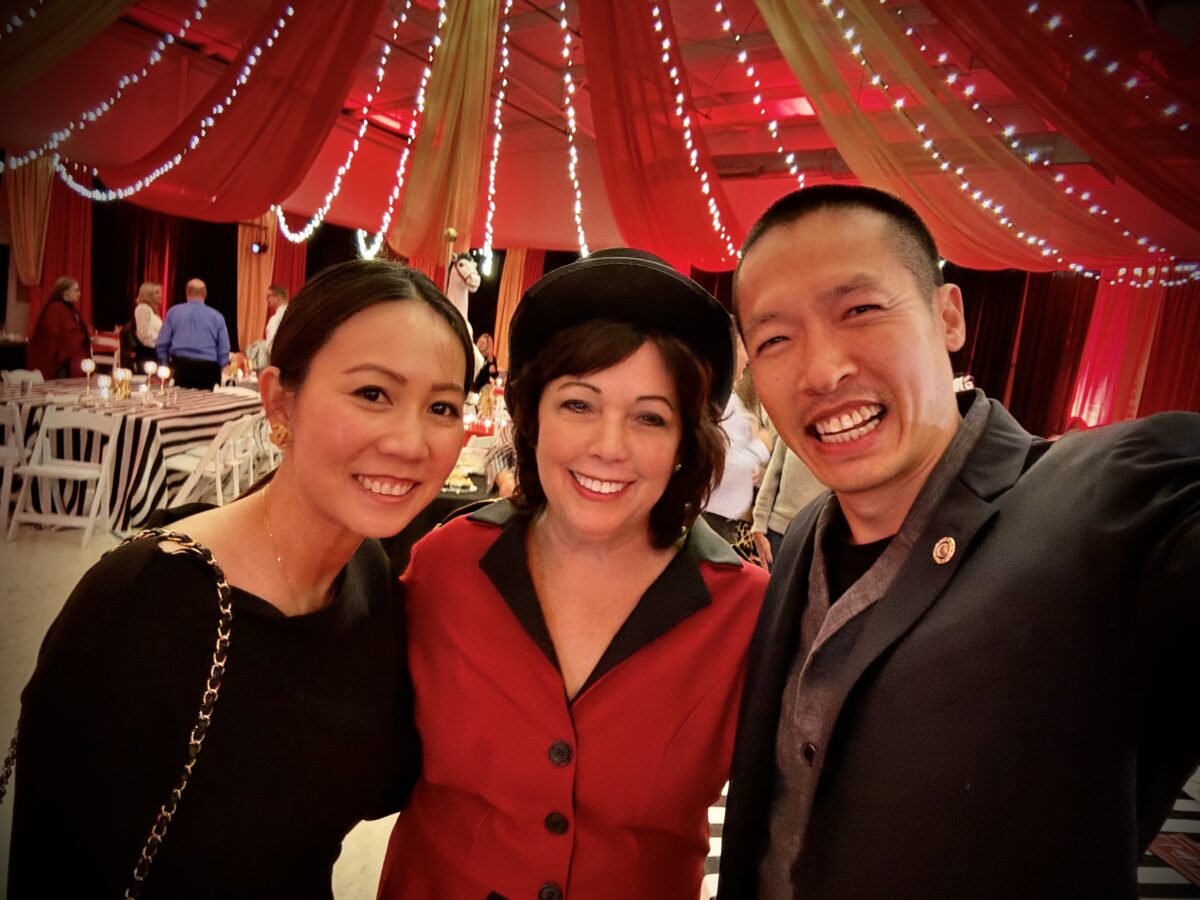
From Di Tran’s perspective as a member of the Rotary Club of Louisville Diversity, Equity, and Inclusion Committee, Rene Brown’s leadership points toward a higher standard. The first meetings are not simply about attendance. They are about moral tone. They are about whether people feel that the room is big enough for their whole story.
This matters especially in Louisville, a city whose civic future depends on trust across institutions, neighborhoods, professions, cultures, faith communities, and generations. Louisville cannot afford a shallow definition of diversity. It needs a definition large enough to include the veteran, the immigrant, the pastor, the entrepreneur, the student, the health care worker, the educator, the tradesperson, the retiree, the young leader, the lifelong resident, and the newcomer.
It needs a definition that includes race and goes beyond race. It needs a definition that includes identity and also honors expertise, sacrifice, service, condition, and contribution.
Diversity is not only who is represented in the room. Diversity is what kind of wisdom the room is willing to receive.
Service Above Self, Locally and Globally
The connection to international service is equally important. In recent Rotary conversations, the work of Healing Hearts Vietnam and the broader question of global service entered the discussion. That matters because Louisville’s civic leadership cannot stop at the edge of the city. Rotary has always carried a local and international imagination. World understanding, goodwill, and peace are not distant ideals. They begin when local leaders learn how to see suffering, dignity, skill, and service across borders.
Rene Brown’s life appears to stand at that intersection: local service, national service, faith-based service, professional service, and openness to international service. That combination is rare. It is also exactly the kind of human story Rotary should know how to honor.
For Louisville, the lesson is clear.
Diversity is not only who is represented in the room. Diversity is what kind of wisdom the room is willing to receive.
Equity is not only a statement of fairness. Equity is the work of removing practical barriers so people can contribute.
Inclusion is not only welcoming people to sit down. Inclusion is listening deeply enough that their service, pain, expertise, and hope can shape the work.
The Room Louisville Needs
Rene Brown’s story deserves to be understood in that larger frame. It is a Louisville story because it is about service to community. It is a Rotary story because it reflects leadership beyond self. It is a DEI story because it expands the meaning of belonging beyond categories and into contribution. It is an international story because true service always teaches us to see human dignity across borders.
And it is a reminder that the strongest civic rooms are not the rooms where everyone is the same, or where everyone says the same words.
The strongest rooms are the rooms where every honest form of service can be recognized.
That is the kind of room Louisville needs.
That is the kind of Rotary conversation worth building.
And that is the kind of inclusion that can make Service Above Self visible again, not as a motto on a wall, but as a living practice in the city.